
I run a small mobile dog grooming setup along the Gulf Coast, and I have clipped more nails than I can count over the last several years. Even with steady hands and cautious trimming, every groomer eventually catches the quick on a dark nail or a nervous dog jerks at the wrong moment. It happens fast. What matters most is how calmly you handle it, because dogs usually react more to your stress than the tiny injury itself.
What I Do the Moment I See Blood
The first thing I do is stop trimming immediately and get the dog steady on the table or floor. Most nail bleeds look worse than they are because blood spreads quickly over fur and hard surfaces. I keep a clean towel nearby and apply gentle pressure for about 30 seconds before reaching for anything else. Many owners panic at this stage, but the bleeding usually slows once the dog settles down.
Styptic powder is still the fastest thing I have used for stopping nail bleeding. I keep two small containers in my grooming van because they tend to dry out in humid weather. If I do not have powder within reach, plain cornstarch can help clot the nail long enough to get to the powder. It is messy, though. Dogs tend to shake their paws right after you apply it.
I learned early on that pressure matters more than quantity. Some people dump half the container onto the nail and wonder why it keeps bleeding. I pinch a small amount directly onto the quick and hold it there with my thumb for close to a minute. Most nails stop by then. A large dog with thick black nails sometimes takes longer.
One older Labrador I worked with last winter had nails so overgrown that the quick extended almost to the tip. I barely clipped a sliver before blood showed up. The owner felt terrible, but honestly, those cases are common with dogs that avoid regular trims for months at a time. Short, frequent trims help the hair recede gradually.
Supplies I Keep Nearby During Nail Trims
I stopped doing nail trims without a backup kit years ago because accidents rarely happen at convenient times. My small container usually has styptic powder, cornstarch, gauze, cotton pads, and a flashlight for dark nails. I also keep a few treats nearby because some dogs calm down faster with a distraction after the initial sting passes. Tiny routines matter.
A customer last spring told me she found most of her pet first-aid supplies through Chewy after her terrier split a nail running across concrete. She liked being able to compare different clotting powders without driving across town searching store shelves. That made sense to me because smaller local shops do not always carry grooming emergency supplies consistently.
I avoid using random household products unless there is no other option. Baking flour can work in a pinch, but it cakes up badly around fur and creates a sticky mess once dogs start licking their paws. Soap bars are another old trick people mention, yet I have had mixed results with them over the years. Some dogs tolerate it fine. Others yank their paw away instantly.
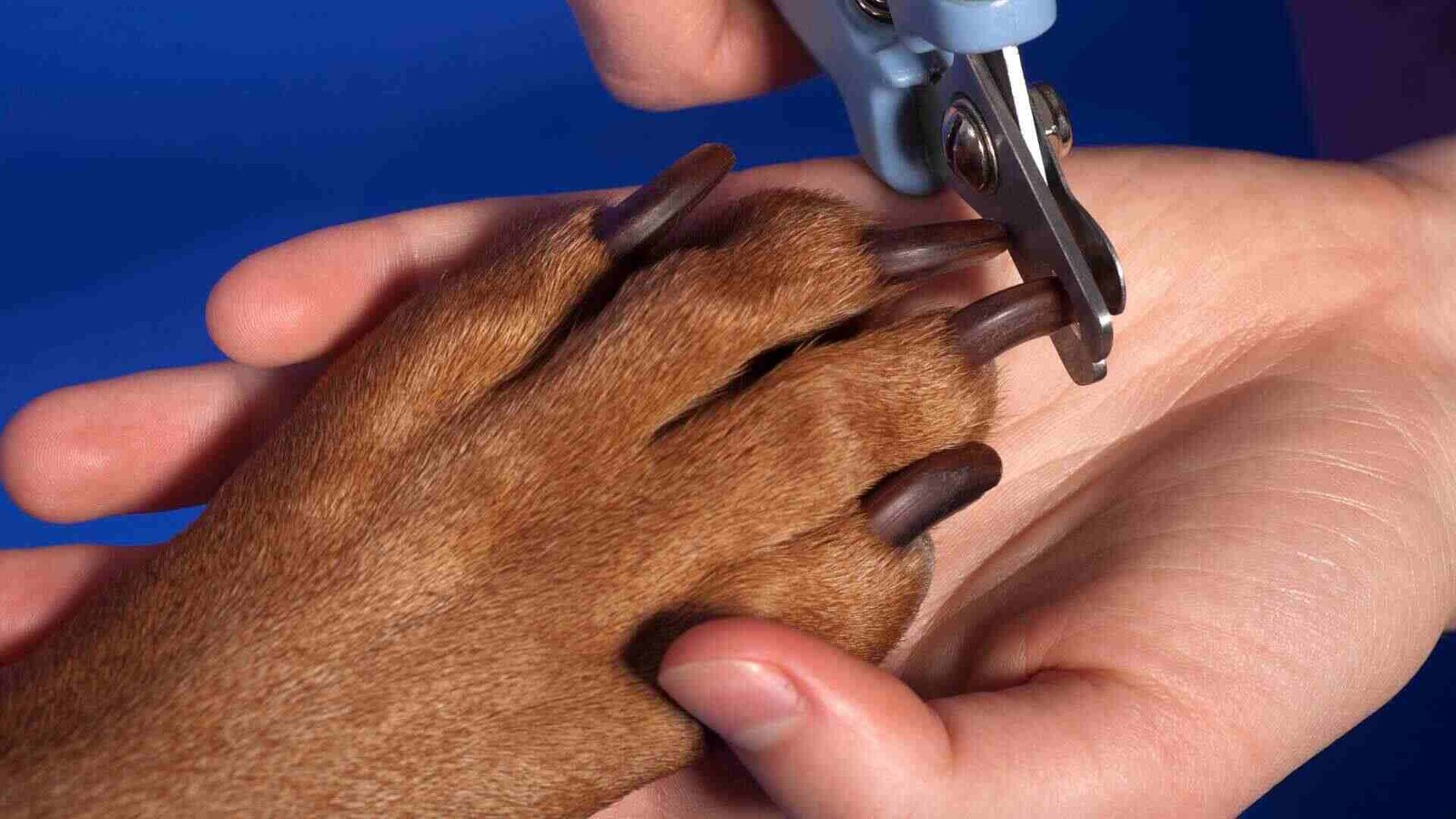
Electric nail grinders reduce accidental cuts for many owners, especially on black nails, where the quick is hard to see. I switched mostly to grinders for anxious dogs around five years ago after dealing with too many sudden jerks during clipping. The tradeoff is heat buildup if you stay on one nail too long. You need patience either way.
How I Handle Dogs That Panic After a Nail Injury
Some dogs barely notice a clipped quick. Others act as if the world ended. Small breeds often react more dramatically because they already dislike having their feet touched. I lower my voice, stop moving quickly, and avoid hovering over them once the bleeding is under control. Dogs pick up tension fast.
One shepherd mix I groomed years ago screamed before I even touched his nails because another groomer had rushed through the process in the past. We spent almost 20 minutes just getting comfortable with paw handling before trimming a single nail. Slow sessions are frustrating for people in a hurry, but forcing the issue usually creates bigger problems later.
I tell owners to avoid long walks on rough pavement for several hours after a nail bleeds. Freshly exposed quicks sting against concrete, gravel, and hot sidewalks. Carpet or grass is easier for most dogs right afterward. Licking is another issue. Some dogs obsess over the nail for hours if you let them.
There are times when I recommend a vet visit instead of home care. Deep tears near the nail base, nails hanging sideways, or bleeding that continues beyond 20 minutes deserve professional attention. Broken dewclaws can be especially nasty because they snag on fabric and keep reopening. Those injuries look rough.
Why Regular Nail Trims Make Future Bleeding Less Likely
Dogs with overgrown nails are much easier to cut too short because the quick grows along with the nail itself. I see this all the time with older dogs who hate grooming appointments. Owners wait until nails click loudly on the floor, then the trim becomes stressful for everyone involved. Short monthly trims are far safer than aggressive trimming every few months.
Black nails are tricky even for experienced groomers. I trim tiny amounts at a time and watch the nail’s center closely for a pale gray or pinkish dot. That little change usually tells me I am getting close to the quick. Bright lighting helps a lot. Cheap dim bathroom lights do not.
Exercise can naturally wear nails down somewhat, especially on concrete sidewalks, but it rarely completely replaces trimming. Some active dogs still develop curled dewclaws that never touch the ground. I once worked with a rescue spaniel whose dewclaw had curled nearly into the pad because nobody noticed it for months. That dog needed veterinary treatment before grooming could even start.
I usually tell nervous owners to practice touching paws daily without clipping anything at first. Ten quiet seconds on the couch matter more than wrestling through a full trim once every few months. Dogs remember rough experiences. Building tolerance gradually saves time later.
Most nail bleeding stops quickly if you stay calm and handle it right away. Dogs recover faster than people expect, especially when the person holding the clippers does not panic first. I still nick a quick once in a while after years of grooming, but experience taught me that preparation and patience matter far more than pretending accidents never happen.