
I work as a mobile veterinary technician who assists clinics and shelters across different parts of the city, and feline infectious peritonitis is one of the conditions I get called in to help evaluate when things are unclear. I have seen how quickly suspicion of FIP can rise when a young cat suddenly becomes lethargic, stops eating, and develops fluid buildup or neurological signs.
The challenge is that early FIP rarely announces itself clearly, and most of the time, I am working with incomplete clues. That uncertainty is where careful observation and step-by-step testing become essential.
Recognizing early signs that raise suspicion
Most of the cats I see with suspected FIP do not start with dramatic symptoms. It often begins with subtle weight loss, fluctuating fever, or a kitten that no longer plays the way it used to. I remember a young stray brought into a small clinic after being fostered for about three weeks, and the only concern at first was that it seemed unusually quiet and warm to the touch. Within days, abdominal swelling developed, changing the course of the case entirely.
There are two broad patterns I watch for in the field: the so-called wet form and dry form of FIP. Wet cases tend to show fluid accumulation in the abdomen or chest, whereas dry cases may present with neurological or ocular signs without obvious fluid accumulation. I have seen cats with head tilt, tremors, or uneven pupils that initially appeared to be ear infections or trauma. The overlap with other diseases is what makes early suspicion difficult to confirm without further workup.
In many situations, I also pay attention to how the cat responds to basic supportive care over a few days. A simple infection often improves with fluids and antibiotics, but suspected FIP cases tend to either remain unchanged or slowly worsen. That pattern alone is not diagnostic, but it helps me decide when to push for deeper testing rather than continuing with watchful waiting.
What I rely on in clinic visits
When I arrive at a clinic to assist with a suspected FIP case, I usually start with a full physical exam and history review. I want to know how quickly the symptoms developed, whether there were recent stressors like boarding or multi-cat exposure, and whether vaccination status is up to date. I have learned that the timeline often carries more weight than any single lab value at this stage.
In one clinic collaboration last spring, I worked with a veterinarian who had a young Persian mix with persistent fever and fluid in the abdomen. We decided to run baseline bloodwork first, which showed low albumin and high globulin levels, a pattern that often raises suspicion but does not confirm FIP on its own. At that point, the vet referred the sample to a specialized diagnostic service for more detailed protein analysis and fluid testing.
During that case, we coordinated with a reference laboratory for feline infectious disease panels and advanced fluid evaluation. The process involved sending both blood and abdominal fluid samples, and the results took several days to return. While waiting, I noticed how much anxiety builds for both owners and clinic staff when there is no immediate answer, even though a rushed interpretation can easily lead to mistakes. The lab results eventually helped narrow down the likelihood of FIP, but even then, the diagnosis was built on layers of evidence rather than a single definitive marker.
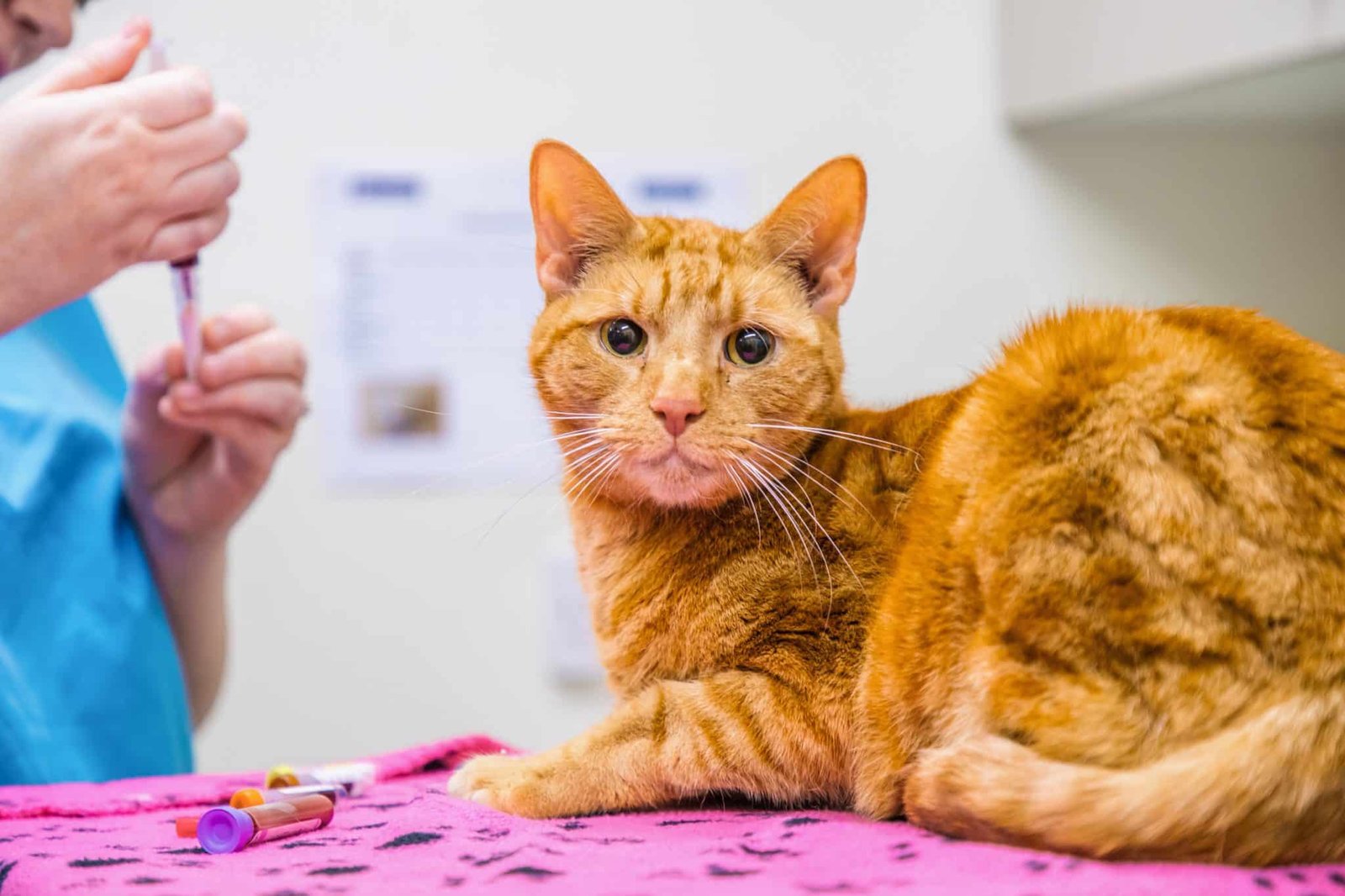
Lab testing and interpretation
Laboratory work is where FIP diagnosis becomes more structured, but also more complicated. I usually look at complete blood counts, serum protein levels, and inflammatory markers first. A high globulin level combined with low albumin is a common pattern, but I have also seen similar results in other chronic infections and immune-mediated diseases. That overlap is one reason I never treat bloodwork alone as confirmation.
Fluid analysis is especially important in wet FIP cases. When I assist with thoracic or abdominal taps, the appearance of the fluid often gives early clues. It tends to be thick, straw-colored, and protein-rich, but again, those characteristics are not exclusive to FIP. I have seen similar fluid in bacterial infections and certain cancers, which forces us to interpret results cautiously rather than decisively.
More advanced testing, such as RT-PCR for feline coronavirus RNA or immunohistochemistry on tissue samples, can provide stronger evidence. However, these tests are not always accessible, and results can still require clinical correlation. I often remind junior staff that a positive or negative result does not exist in isolation; it must be matched with the cat’s symptoms, progression, and overall response pattern.
When the diagnosis remains uncertain
There are cases where even after extensive testing, the diagnosis remains uncertain for several days or longer. I have been involved in situations where multiple differentials are considered, including lymphoma, toxoplasmosis, and chronic bacterial infections. In those moments, the goal shifts from finding a label to stabilizing the cat while continuing the investigation.
In ongoing evaluations, I often monitor trends rather than single snapshots. A rising fever curve, worsening lethargy, or increasing abdominal fluid over time tends to carry more weight than one abnormal lab value. I once followed a shelter kitten for over a week, during which each day brought slightly more fluid accumulation despite supportive care, and that progression helped guide the veterinary team toward a more confident diagnosis.
There are also situations where treatment response becomes part of the diagnostic picture. Some newer antiviral therapies used for suspected FIP cases have changed how clinicians approach confirmation, although access and protocols vary widely. I have seen cases where improvement after starting targeted therapy strongly supported the suspected diagnosis, even before all lab confirmations were complete.
Uncertainty is part of this condition. I have learned to accept that FIP diagnosis is often built gradually, through patterns rather than a single definitive test, and that patience in interpretation can be just as important as speed in testing. Each case teaches me to balance urgency with caution, especially when dealing with young cats whose symptoms can shift quickly.