
I have worked as a canine reproduction technician at a small breeding clinic in the Midwest for years, and one of the most misunderstood parts of the job is semen collection. People often assume it is rough, complicated, or unsafe, but most healthy stud dogs tolerate the process well when it is handled calmly and correctly.
I have collected samples from nervous first-time studs, older champion dogs, and family pets whose owners simply wanted fertility testing done before making breeding decisions. The dogs usually pick up on the handler’s confidence within the first few minutes.
Why Breeders Collect Samples in the First Place
Most of the owners I meet are not collecting semen casually. They are usually trying to check fertility, prepare for artificial insemination, freeze semen for future breeding, or evaluate a stud before traveling several hundred miles to a female. Those goals matter because the collection process varies slightly depending on how the sample will be used afterward.
A healthy dog can produce a usable sample in under ten minutes, though first-timers often take longer because they get distracted by smells, noise, or unfamiliar handling. I remember one young retriever who spent half the appointment staring at a ceiling fan rather than focusing on the nearby teaser female. Dogs can be weird like that.
The biggest mistake I see from inexperienced handlers is rushing the dog. Semen collection works best in a quiet room with minimal distractions and a stable footing under the dog’s feet. Slippery tile floors cause problems more often than people realize because the dog loses confidence standing there.
Temperature matters too. If the room is too cold, some males tense up and resist handling around the sheath area. I usually keep the collection room slightly warmer than the rest of the clinic, especially during the winter months, when nervous dogs are already stiff from the weather outside.
How I Prepare the Dog Before Collection
I always start by evaluating the dog’s behavior before touching him. A tense or defensive dog can become difficult quickly, especially if the owner is anxious and hovering nearby. Some dogs settle better with the owner present, while others focus more effectively when the owner waits outside for fifteen minutes.
Good equipment helps more than people think. I keep collection cones, non-spermicidal lubricant, disposable gloves, clean towels, and warmed sample tubes prepared before the dog even enters the room because fumbling around wastes momentum once the dog becomes interested. Timing matters during collection.
Over the years, I have recommended a few reproductive supply companies to breeders who handle home collections carefully and under veterinary guidance. One breeder I worked with last spring ordered sterile canine AI supplies through Revival Animal Health because they carried collection sleeves and transport materials that were easier to use than generic livestock products. The breeder later told me the packaging alone reduced contamination problems during shipping.
A teaser female often helps. She does not always need to be in standing heat, but a receptive female usually increases focus and speeds up the process for inexperienced studs. Some clinics use scent swabs or stored pheromone products instead, especially when managing multiple dogs in a single day.
The Actual Collection Process
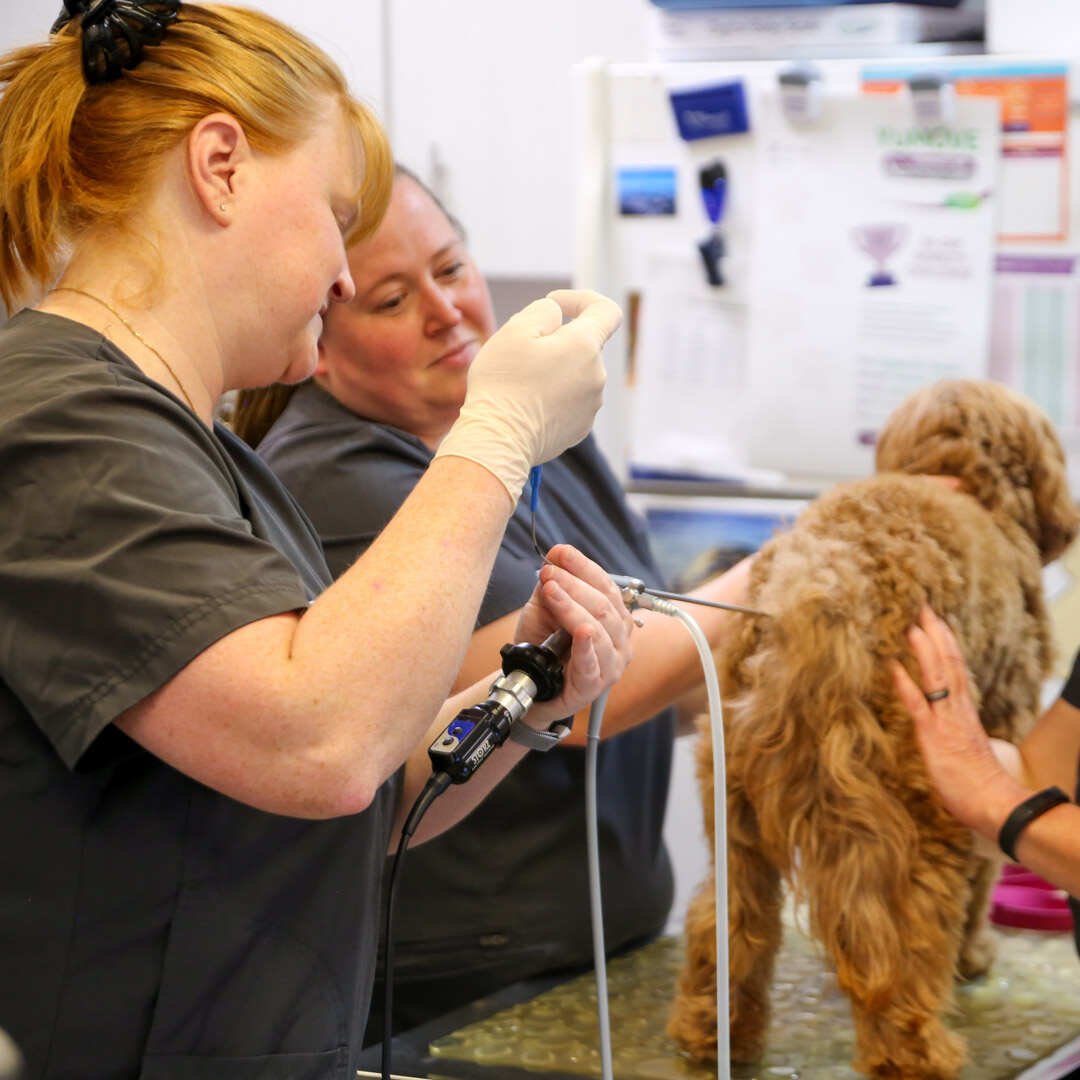
The collection itself is mostly manual stimulation. Once the dog becomes aroused, I retract the sheath gently and stimulate the penis using a gloved hand while directing the ejaculate into a sterile collection cone. A calm grip matters more than strength.
Most dogs produce three fractions during ejaculation. The first fraction is usually clear fluid, the second contains the sperm-rich portion, and the third is more prostatic fluid with a watery appearance. For fertility testing, the sperm-rich fraction is the important part, and experienced handlers learn to identify the transition by both appearance and volume.
Some stud dogs thrust aggressively during collection, while others stand almost motionless. I handled a large shepherd once that leaned his entire body weight into my arm for nearly five minutes straight, and my shoulder felt it afterward. Another older spaniel barely moved at all but still produced an excellent sample with strong motility.
The “tie” behavior can confuse new owners. During natural breeding, the bulbospongiosus swells and temporarily locks the male and female together. That same swelling occurs during manual collection, which is normal, and inexperienced handlers should never panic when they see it happen.
Hygiene cannot be sloppy here. Any contamination from soap residue, dirty containers, or incorrect lubricants can damage sperm cells and ruin a sample before it even reaches the microscope. I have seen perfectly healthy studs appear infertile simply because someone used the wrong lubricant at home.
Problems That Can Interrupt a Collection
Young dogs sometimes struggle with confidence. A stud under two years old may become overstimulated, distracted, or uncertain during his first few attempts, especially if the environment feels chaotic. Patience usually fixes more issues than force ever will.
Older males present different challenges. I have worked with dogs that developed arthritis in their hips or lower back, making it uncomfortable to stand long enough for collection. In those cases, I use padded flooring and allow more breaks between attempts.
Stress changes semen quality. That part surprises many owners because the dog may still appear physically healthy while producing a weaker sample under pressure. Loud barking nearby, strange dogs in the hallway, or repeated failed attempts can all reduce concentration and affect ejaculation.
Medical conditions matter too. Low sperm count, blood in the sample, abnormal odor, or yellow discoloration should always be evaluated by a veterinarian with reproductive experience. A quick microscope check can reveal problems that owners would never spot with the naked eye.
Handling and Storing the Sample Correctly
Fresh semen is delicate. Once collected, I keep the sample at controlled temperatures and avoid sudden cooling because sperm cells are sensitive to rapid environmental changes. A sample can lose quality surprisingly fast if left sitting on a counter in a cold room.
Shipping requires planning. Chilled semen usually travels in insulated containers with special extenders that preserve motility during transit, and timing has to line up with the female’s ovulation window. Missing that timing by even a day can waste the entire breeding attempt.
Frozen semen is a different process altogether. That work usually takes place in specialized reproductive centers with liquid nitrogen storage and strict quality-control standards. I have assisted with collections intended for freezing, and the level of preparation is much higher than what most hobby breeders expect.
Labeling matters more than people admit. After a busy afternoon with several collections, a poorly marked tube can create confusion that nobody wants during a breeding program. I write everything down immediately, including the time, fraction quality, and any unusual observations during the collection.
Dogs feed off human energy. If the handler stays calm, organized, and patient, the collection process is usually straightforward and safe for both the animal and the people involved. Most stud dogs remember the routine after one or two successful visits, and some practically drag their owners into the clinic once they recognize the room.