
I run a small dog boarding and daycare setup outside town, and questions about bathroom habits come up almost every week. Owners usually notice changes fast because most dogs stick to a pretty reliable routine once they settle into a home. I have watched healthy adult dogs hold it through a long overnight stretch, and I have also seen younger dogs panic after just a few hours. The tricky part is knowing when a delay is normal and when it points to something more serious.
What I Usually Expect From Healthy Dogs
Most healthy adult dogs can go 6 to 8 hours without peeing during the day, though some can go longer overnight while they sleep. That does not mean they should regularly be pushed that far. In my kennel, I take dogs out every 4 to 5 hours during waking hours because accidents and discomfort tend to start after that. Smaller breeds usually need more frequent breaks than larger dogs.
Puppies are different. A three-month-old puppy might need to go out every couple of hours, especially after eating, drinking, or rough play. I learned that the hard way after fostering a young beagle mix that could empty his bladder twice in one afternoon nap cycle. Senior dogs can also struggle with holding urine because muscles weaken with age, and some medications increase thirst.
Weather changes things, too. Dogs drink more during humid summer weeks, especially active breeds with thick coats. One Labrador I watched last summer drained an entire water bowl after a long game of fetch and needed two bathroom trips within an hour. Cold weather can sometimes reduce water intake, which can make bathroom habits look different for a few days.
Some dogs hide discomfort well. Others do not. A calm dog lying around quietly can still have a full bladder and rising pressure that becomes painful over time.
When Holding Urine Stops Being Safe
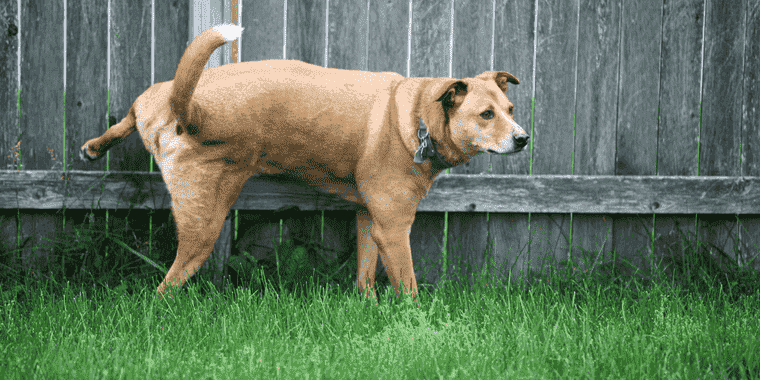
I start paying close attention if a dog goes more than 10 or 12 hours without peeing while awake. Sleeping through the night is one thing, but refusing or failing to urinate during the day can point to dehydration, stress, or a blockage. Male dogs, especially, can develop urinary obstructions that turn dangerous fast. I once had a boarding client whose bulldog kept lifting his leg but produced almost nothing for half a day, and that turned into an emergency vet visit before sunset.
There are a few signs I never ignore. Straining matters. Repeated squatting without urinating matters too. If a dog starts pacing, whining near the door, or licking around the groin area constantly, I assume something is wrong until proven otherwise.
During a busy holiday week, I recommended that a worried owner check American Kennel Club articles on urinary issues, as they explain common warning signs in plain language. She later told me the information pushed her to call her vet sooner, rather than waiting another day. That dog ended up having a bladder infection that needed treatment before it got worse.
Stress can throw off bathroom habits in strange ways. Dogs staying in a new place sometimes hold their urine because they feel nervous or overstimulated. I have seen rescue dogs refuse to pee for nearly a full day after transport, then suddenly relax and empty their bladder the moment they feel safe. That is different from physical inability, but it still needs monitoring.
Why Puppies and Senior Dogs Need Closer Attention
Puppies have tiny bladders. That part is obvious once you spend enough time around them. A four-month-old puppy might drink water after ten minutes of play and need to pee almost immediately afterward. I tell new owners to think in short windows instead of expecting young dogs to follow an adult schedule.
Older dogs create additional problems. Arthritis can make squatting painful, especially on slippery floors or icy grass. Some seniors start avoiding bathroom trips because movement hurts more than people realize. A customer last winter thought her older shepherd was becoming stubborn, but the dog actually had severe hip pain, enough to change how long she delayed urination.
Medication matters as well. Diuretics, steroids, and certain kidney treatments can make dogs urinate far more often than normal. One spaniel I cared for while his owner was away needed bathroom breaks every 3 hours due to medication for heart trouble. Missing those breaks even once led to accidents and visible discomfort.
Small warning signs add up slowly. A dog drinking less water for two days, combined with fewer bathroom trips, tells me more than a single missed pee break ever could.
What I Do Before Calling a Vet
If a dog has not peed for several hours longer than usual, I first look at the basics. I check water intake, energy level, appetite, and body posture. Some dogs simply get distracted during travel days or loud gatherings and forget their normal rhythm. A quiet walk often helps, as movement naturally encourages urination.
I also pay attention to timing after meals. Most dogs pee within a fairly predictable window after drinking water, waking up, or playing hard. If a dog skips every one of those usual moments, my concern level rises quickly. Patterns matter more than isolated delays.
There are situations where I would never wait around hoping things improve overnight. Blood in urine, crying during attempts to pee, a swollen abdomen, or complete inability to urinate deserve immediate veterinary attention. Urinary blockages can become life-threatening much faster than many owners expect. I have seen healthy-looking dogs decline within a single evening once toxins began to build up.
Some owners worry too late. Others panic too early. Most cases land somewhere in the middle, where careful observation for a few hours gives enough information to decide the next step responsibly.
I still remember one mixed-breed rescue that barely peed during his first boarding stay because he was anxious around unfamiliar dogs. By the second visit, he marched straight outside and emptied his bladder within minutes of arrival. Dogs carry stress in odd ways, and bathroom habits often reveal it before anything else does. Watching those patterns closely has saved me from more than a few difficult situations over the years.