
I work as a feline care coordinator at a small cat rescue, and I spend much of my week helping cats with various dietary needs. Over the years, I have fed everything from commercial diets to carefully prepared recovery meals for cats coming out of neglect situations. One question I hear often is whether cats can eat beef. The short answer is yes, but there are a few details that matter if you want to feed it safely.
Why Beef Fits a Cat’s Natural Diet
Cats are obligate carnivores. That means they rely on nutrients from animal-based foods rather than from plant sources. Beef contains protein, amino acids, and fats that can support a healthy feline diet when served appropriately.
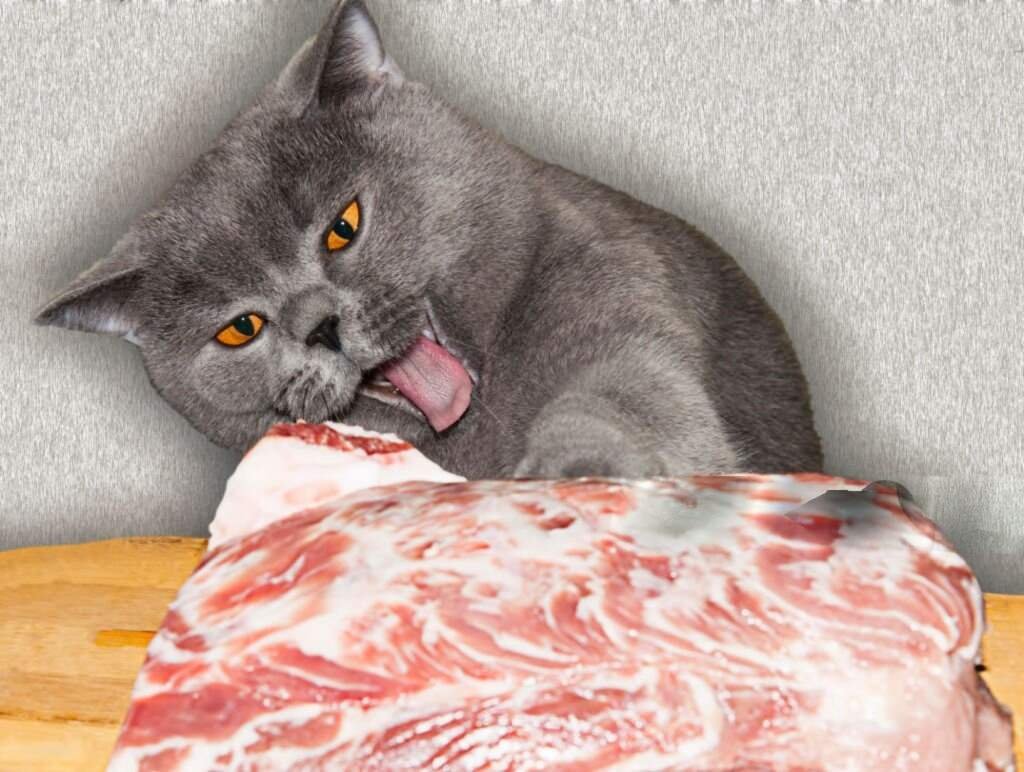
In my experience, many healthy adult cats enjoy the smell and texture of beef. I have worked with dozens of picky eaters over the years, and beef is one of the proteins that often gets a positive response. Some cats ignore chicken but become interested as soon as they smell a small piece of cooked beef.
Protein matters. Cats need it every day. Their bodies are designed to use animal protein efficiently, and beef can help meet those nutritional needs. That does not mean beef should automatically replace a balanced cat food, but it can be part of the picture.
A customer brought in a senior cat last spring that had become unusually selective about meals. After consulting with a veterinarian, the owner used small amounts of plain cooked beef as an appetite stimulant alongside the cat’s regular diet. The cat started eating more consistently within a short period.
How I Prefer to Serve Beef to Cats
The safest option is usually plain, thoroughly cooked beef with no seasoning. Many ingredients that humans enjoy, including garlic and onions, can be harmful to cats. Even a small amount of seasoning can create unnecessary risk.
I often recommend that people read reliable nutrition information before making changes to a pet’s diet. One resource some owners review is the cat nutrition resource when they want a starting point for understanding different protein options. Research helps, but I still encourage discussing significant diet changes with a veterinarian.
Portion size matters more than many people realize. A few small bites are usually enough as a treat. I have seen owners offer large servings because their cat seemed excited, only to deal with digestive upset later that evening.
Fat content deserves attention as well. Some cuts of beef are much richer than others, and excessive fat can cause stomach issues in certain cats. Leaner cuts tend to be easier for most cats to handle, especially if they are not accustomed to beef.
Raw beef is a subject that sparks debate among cat owners. Some people strongly support raw feeding, while others avoid it entirely because of concerns about bacteria and food safety. I have met responsible owners on both sides, but I always advise people to understand the risks before deciding on a raw diet.
Potential Benefits and Possible Problems
One benefit of beef is variety. Cats can become bored with the same flavors, and introducing a different protein may help maintain interest in food. I have watched cats turn away from a familiar meal for days, only to show enthusiasm once a new protein was introduced.
Another advantage is that beef contains valuable nutrients. Iron and certain B vitamins are present in beef and contribute to overall health. Those nutrients are useful, although a complete commercial diet is still designed to provide balanced nutrition across the board.
There are situations where beef may not be the best choice. Some cats develop food sensitivities or allergies. While chicken and fish are often discussed in allergy conversations, I have also encountered cats that reacted poorly to beef.
Digestive issues can appear unexpectedly. A cat may tolerate beef perfectly one week and experience loose stool after a large serving the next. That is one reason I introduce new foods gradually and observe for several days before making any assumptions.
Every cat is different. I learned that lesson years ago. Two littermates in our rescue program once received identical diets, yet one eagerly accepted beef while the other refused every bite despite being healthy.
Beef Treats, Table Scraps, and Commercial Cat Foods
Many owners first introduce beef through table scraps. I understand the temptation because cats can be persuasive during dinner. Still, table scraps can pose problems if they contain sauces, excessive salt, or ingredients unsafe for feline consumption.
Commercial cat foods that include beef are generally formulated with broader nutritional goals in mind. Manufacturers often combine protein sources and add vitamins and minerals to support complete nutrition. That is different from handing a cat a piece of leftover steak.
I usually tell people to think about beef as part of a larger feeding strategy. A balanced commercial food should remain the foundation unless a veterinarian recommends something else. Treats, including beef, should account for only a small portion of daily calorie intake.
One pattern I have noticed over nearly a decade of rescue work is that moderation solves many feeding issues. Cats that receive occasional beef treats often do well. Problems tend to appear when owners begin replacing balanced meals with random human foods.
A serving does not need to be large. For many cats, a few small cubes of cooked lean beef are enough to create excitement without disrupting the rest of the diet. Sometimes less works better.
Signs I Watch for After Introducing Beef
Whenever I introduce a new food, I monitor the cat for at least several days. Appetite changes, vomiting, loose stools, or unusual scratching can indicate that the food may not be a good fit. Small observations often reveal problems before they become serious.
Behavior matters too. A cat that suddenly becomes lethargic or seems uncomfortable after eating deserves attention. While beef itself may not be the cause, any significant change following a dietary adjustment is worth noting.
I also pay attention to long-term trends rather than judging a food based on a single meal. Cats occasionally have off days. Looking at a full week of behavior usually provides a clearer picture than reacting to one isolated incident.
Keeping a simple feeding journal can help. Writing down portions, reactions, and timing gives owners useful information if they eventually need veterinary advice. Even a notebook with a few short entries can reveal patterns that might otherwise go unnoticed.
Most healthy cats can eat beef safely when it is prepared properly and offered in sensible amounts. After years of caring for rescue cats with different personalities, medical histories, and preferences, I still view beef as a reasonable option rather than a miracle food. The goal is not to find a perfect ingredient. The goal is to find a balanced approach that keeps the individual cat healthy, comfortable, and eager for the next meal.