
I’ve been trimming cats’ nails as part of my mobile grooming work for years, mostly in small homes where the kitchen table turns into my workstation. The hardest part is rarely the nail trim itself; it is getting a calm hold without triggering panic or scratching. Most cats are not aggressive by nature; they react when they feel trapped or uncertain. Once I understood that, the way I restrain them completely changed.
Reading a cat before you touch them
Before restraining, I watch the cat move for a few minutes. A relaxed cat moves slowly, pauses often, and has a loose tail. A tense cat freezes or hides. I never rush this stage. In over 400 home visits, the pattern is almost always the same.
The key is to avoid forcing contact. Approaching too quickly can even make friendly cats pull back and associate me with pressure. I usually sit nearby and let the cat come to me. Some of my easiest trims began when a cat climbed onto my lap without being prompted.
One thing I always tell owners is that restraint starts mentally before it becomes physical. If the cat already trusts the space, half the work is done. I learned this after a few early mistakes in which I tried to hold cats too quickly and had to reset the whole process from scratch.
Setting up a safe grooming space
I usually set up in a quiet corner of the house where there is less movement and fewer distractions. A stable surface like a table or counter helps, but I always put a soft towel down first so the cat doesn’t slip. In one recent home visit, I worked in a small living room where the only clear surface was a coffee table, and that worked fine once I adjusted the setup. For owners who want extra help or guidance, I sometimes suggest checking a cat grooming service resource that explains handling setups in more detail. The goal is always the same: to reduce surprise and make the environment predictable for the cat.
Lighting matters. Too bright and the cat gets alert; too dim and I can’t work safely. Natural or soft indoor light works best. I also avoid fans or loud TV during the trim.
I keep all tools within arm’s reach before picking up the cat. Searching for clippers while restraining a squirming cat quickly breaks the calm. This preparation has saved me many scratches.
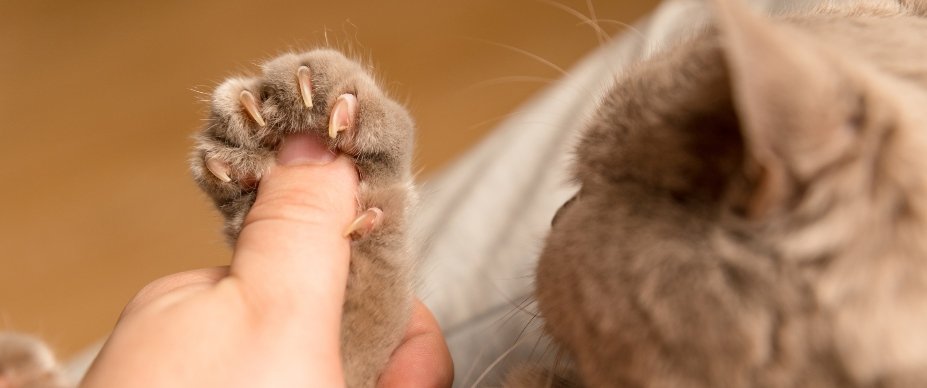
How I actually restrain a cat for nail trimming
My main technique is the towel hold, focused on control rather than wrapping. One hand steadies the shoulders gently. The other supports each paw. I never pin unless needed, keeping pressure light.
Some cats allow lap trimming, which is the easiest option. I set them against my stomach, facing away, then trim one paw at a time quickly and accurately before moving on. Speed matters, but not at the cost of safety.
I’ve had cats that resist even basic holding, and in those cases, I switch to partial restraint. That means I only hold one paw at a time while the rest of my body stays free. It takes longer, sometimes close to 15 minutes for all four paws, but it reduces stress significantly.
One small trick I rely on is timing pressure with natural pauses. When a cat exhales or briefly relaxes its body, that is when I adjust my grip or move a paw. It sounds subtle, but it makes a big difference in keeping the animal calm during the process.
When a cat fights back or panics
Not every session goes smoothly. I’ve had cats that twist, kick, or try to bolt the moment they feel restrained. In those moments, I stop immediately rather than pushing through. Forcing the trim usually leads to more stress and makes future sessions harder for everyone involved.
If a cat becomes too reactive, I reset. I put them down, let them walk away, and wait a few minutes before trying again. Patience during breaks often saves the session. Repeated handling rarely helps a stressed cat.
Sometimes I also change my approach entirely and switch locations within the same room. Moving from the floor to the couch or vice versa can reset their mental association with the process. It is not about tricking the cat; it is about giving them a fresh start without pressure.
There are rare cases where I recommend stopping completely and trying another day. I’ve seen cats that were simply not in the right mood due to illness, overstimulation, or unfamiliar surroundings. Recognizing that the line is part of safe restraint, even if it means not finishing the job that day.
After hundreds of nail trims, I know restraint is about communication, not force. Predictable movements help cats accept the process. This balance turns a struggle into routine grooming.