
I run a small private kennel and sometimes help clients find rare breeds. I’ve spent years around dogs that cost more than most people expect. I’ve handled everything from working shepherds to delicate toy breeds. Still, the conversation about price always circles back to one question: What is the most expensive dog, really? The answer changes. It depends on timing, demand, and who’s asking. Still, a few breeds consistently sit at the top. One, in particular, stands out and surprises people.
The Tibetan Mastiff and Why It Commands Such High Prices
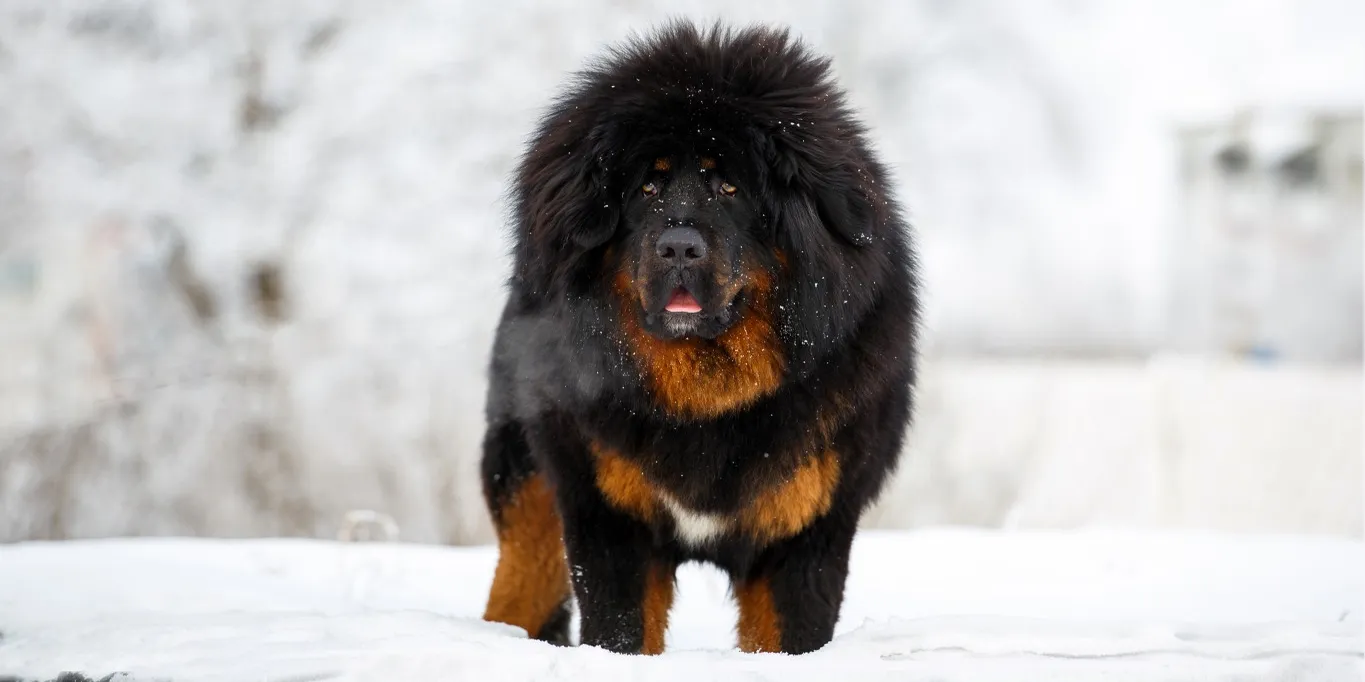
The dog most often mentioned in high-end circles is the Tibetan Mastiff. I remember seeing one at a private showing a few years back, and the sheer presence of that animal made the price tag feel almost secondary. These dogs were originally bred to guard livestock in harsh mountain climates, which explains their thick coat and steady temperament. In rare cases, especially in parts of Asia, a single puppy has been sold for several hundred thousand dollars.
That number shocks people. There’s a cultural layer to it. In some markets, owning a Tibetan Mastiff became a status symbol for a while. It was like owning exotic cars or rare watches. I had a client once who didn’t even ask about training or care at first. He only asked about pedigree lines and coat color. That told me exactly what he valued. Here, price follows perception more than practicality.
Even outside extreme cases, a well-bred Tibetan Mastiff can cost several thousand dollars. That price is before transport, paperwork, and proper care. These dogs eat a lot. They need space. They’re not suited for apartment life, no matter how much someone is willing to pay.
Other High-End Breeds I’ve Worked With
The Tibetan Mastiff might grab headlines, but it isn’t alone in the upper tier. I’ve worked with breeds that regularly sell for high prices. The cost depends on lineage and availability. I tell new buyers that cost reflects scarcity, not just beauty or temperament.
I once pointed a client toward a trusted resource for comparing breeders and bloodlines. He spent hours browsing before choosing a pup, the most expensive one that matched what he wanted. That process alone took weeks. He was happy to wait. People paying at this level rarely rush.
Here are a few breeds that often sit near the top in terms of price:
Samoyeds are one example, especially those with strong show lineage. I’ve seen them sell for more than most families expect. The price is mostly due to their coat maintenance and breeding standards.
Chow Chows can also reach high prices, particularly when they come from imported lines. Their lion-like appearance attracts a specific kind of buyer.
English Bulldogs often surprise people with their price. They’re not rare, but breeding them safely is expensive. That cost gets passed on.
Each of these breeds has its own reasons for its price. It’s never just one factor.
What Drives a Dog’s Price Beyond the Breed
Breed alone doesn’t set the ceiling. I’ve seen two puppies from the same litter priced very differently because of subtle traits that only experienced buyers notice. Coat quality, symmetry, and even how a dog moves can influence what someone is willing to pay.
Pedigree plays a major role. A dog with a documented line of champions will almost always cost more. Even if most people can’t tell the difference at a glance, the detail matters. I’ve had clients ask me to review lineage records going back five or six generations. That matters in certain circles.
Location also changes everything. A breed common in one country might be rare in another. This can drive up the price due to import costs and limited availability. I once arranged transport for a dog that cost less than the shipping itself. That happens more often than you’d think.
Then there’s timing. Demand can spike quickly. A breed featured in the media or associated with a celebrity can see prices double within a year. It doesn’t always last, but during that window, sellers take advantage of the attention.
The Reality Behind Owning an Expensive Dog
Price is only the beginning. That’s the part many people underestimate. I’ve seen clients spend a lot on a dog and then struggle with the ongoing responsibilities that come with it.
High-end breeds often need specialized care. Grooming can become a regular expense, especially for dogs with dense or high-maintenance coats. Veterinary care may also be more frequent due to breed health issues.
Training matters as much as anything. A powerful dog like a Tibetan Mastiff needs structure and consistency. Otherwise, it becomes difficult to manage. I’ve worked with owners who thought money would simplify things. It doesn’t.
One case stands out. A buyer invested heavily in a rare breed but did not prepare for its temperament. Within months, the dog was tough to manage, and they had to hire help. That added cost and stress could have been avoided.
It’s a commitment. No shortcuts here.
When people ask me about the most expensive dog, I remind them to consider if that dog fits their life. While the price may impress others, it doesn’t make daily care easier. The key takeaway is that the best dogs for their owners are rarely chosen just for their cost—fit matters more than price.