
I spend most of my week working with cats at a small-animal behavior clinic attached to a rescue shelter, and this question comes up more often than you might expect. People bring in scratched furniture, torn curtains, and sometimes even damaged plaster and ask if their cat is “climbing the walls at home.” From what I have seen firsthand with dozens of indoor cats, the answer is not simple, but it is very real in certain situations.
How cats interact with vertical surfaces
When I first started working with shelter cats, I assumed wall climbing was just a myth or an exaggeration. After a few months, I watched young cats repeatedly attempt to scale painted plaster walls during stress episodes, especially in overcrowded holding rooms. They were not “climbing” in the clean, controlled sense like a gecko, but they were absolutely using claws, furniture edges, and even rough paint textures to push themselves upward.
Cats have a natural instinct to seek height for safety and observation. In the wild, that behavior helps them avoid threats and gives them control over their surroundings. Indoor cats carry that same instinct, which is why shelves, wardrobes, and even textured walls become targets during bursts of energy or anxiety. I have seen a small tabby leap from a chair and briefly “stick” to a wall before sliding down, leaving visible scratch marks.
What most people call wall climbing is really a combination of jumping, clawing, and using friction points. Smooth painted walls are usually too slick for full climbing, but slightly rough surfaces or wallpaper can give just enough grip for a few seconds of upward movement. It always surprises owners, but for me, it is a familiar pattern that shows up in younger, more active cats.
Why cats attempt it and where I see it most
In homes with limited vertical space, cats often try to create their own vertical space. I have visited apartments where cats consistently launch themselves toward the same hallway corner, leaving faint claw marks that accumulate over time. One customer last spring even had a cat that would sprint up a couch arm and attempt to push off the adjacent wall, almost as if it were practicing a climbing route it never fully mastered.
In some cases, owners look for structured solutions to manage this behavior, especially when it starts damaging interiors. During consultations, I often mention resources, such as local cat behavior resources, to help people understand environmental enrichment. The goal is not to stop the instinct, but to redirect it toward safer surfaces, such as climbing towers or wall-mounted steps.
Once a cat has a proper outlet, the urge to attack bare walls usually drops within a few weeks. I have also noticed that stress plays a big role in how often this behavior appears. Cats in multi-pet homes or households that have recently moved tend to test vertical surfaces more frequently. They are not trying to destroy property on purpose; they are responding to uncertainty in the environment. The wall becomes a fallback option when nothing else feels secure or predictable enough.
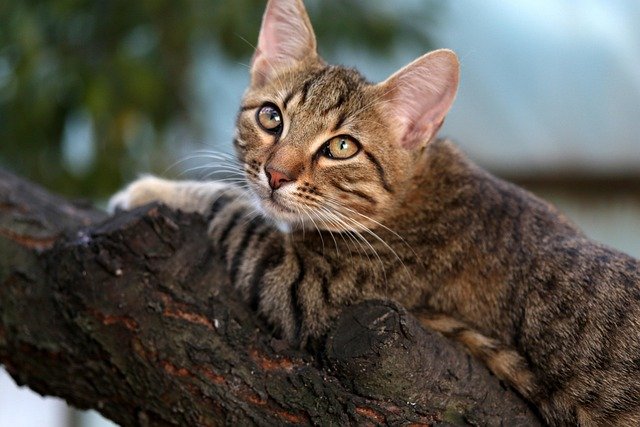
Physical limits and what cats can actually do
Despite what viral videos suggest, most domestic cats cannot truly climb flat walls the way insects or certain reptiles can. Their claws are curved for gripping fabric, wood, and bark-like textures, not smooth vertical plaster. I have tested this in controlled shelter environments by observing how cats interact with different surfaces during enrichment trials.
A few cats can briefly ascend textured surfaces, especially brick or heavily worn stucco. But even then, they usually only manage short bursts of upward movement before gravity takes over. I once watched a confident young male cat attempt a brick wall in our outdoor enclosure and reach roughly the height of a low window ledge before dropping back down without injury.
Friction is the real deciding factor. Without something to hook into, claws simply slide. That is why carpets, furniture upholstery, and tree bark are far more successful climbing media for cats than indoor walls. Smooth paint finishes essentially cancel out the natural climbing advantage cats are known for in outdoor environments.
Common misunderstandings owners have
One of the biggest misunderstandings I see is people assuming their cat is trying to escape or behave badly when it interacts with walls. In reality, it is usually just curiosity or excess energy finding an outlet. I have had owners describe it as “random wall attacks,” but when we map out the behavior patterns, it usually connects to playtime gaps or a lack of climbing structures.
Cats are highly environmental learners, and they repeat actions that give them feedback. If a cat once successfully reached a high shelf by pushing off a wall, it may try to replicate that motion again and again. Over time, this can look like intentional wall climbing, even though it is really a learned sequence of jumping and bracing behaviors.
Another misconception is that scratching walls means a cat is aggressive. In most cases I have observed, scratching is just part of stabilizing movement, not a destructive goal. The claw marks are usually side effects of failed grip attempts rather than intentional damage. Understanding that difference helps owners respond more calmly instead of punishing the behavior.
What I tell owners after seeing it firsthand
After years of working with indoor cats in both rescue and private homes, I have learned that wall-climbing behavior is more about environment than personality. A well-stimulated cat with vertical furniture is rarely interested in plain walls. The instinct does not disappear; it simply gets redirected into safer, repeatable paths.
I often tell owners to think less about stopping the behavior and more about giving it a better target. Once cats have scratching posts tall enough to stretch fully or shelves they can safely leap between, the walls stop being interesting. It is a simple shift, but it changes how the entire space feels for the cat.
Sometimes I still see cats attempt the occasional vertical burst, especially when startled or highly excited. That part never fully goes away, and I do not expect it to. But in most homes I have worked with, the walls remain intact once the cat has a proper climbing environment to rely on instead.