
I’ve worked for years as a veterinary technician at a small-animal clinic that also ran a mobile pet care unit across rural Punjab. Questions about cats and canned tuna come up almost weekly, especially from owners who are trying to treat their cats like family members with human food. I’ve seen everything from healthy curiosity to full-on dietary mistakes caused by good intentions. My perspective comes from handling dozens of cats each month, often 30 to 40 in a busy season.
Most of the time, the confusion is not about whether cats like tuna, but about whether they should eat it regularly. I’ve watched cats light up at the smell of fish in a way they rarely do with commercial food. That reaction can easily mislead owners into thinking it’s a safe daily option. The reality is more complicated, and I’ve had to explain it in exam rooms more times than I can count.
Why cats react so strongly to canned tuna
In my experience, canned tuna elicits a very specific behavioral response in cats due to its strong smell and high protein content. I remember a small clinic day where three different cats refused their prescribed diet but instantly responded to a tiny spoon of tuna. That kind of reaction creates a powerful association in the owner’s mind that tuna equals good nutrition. Cats rarely stop at one bite.
The attraction is partly biological, since cats are obligate carnivores and naturally respond to animal-based proteins. I’ve handled cases where even a single can opened in the house was enough to get a normally shy cat pacing around the kitchen. On average, one standard 5-ounce can contains more sodium and oil than a cat should have in a full day. That imbalance matters more than most people realize.
I often explain to owners that preference does not equal suitability. A cat may strongly prefer tuna over balanced food, but that doesn’t mean it supports long-term health. I’ve seen cats develop picky eating habits after just two weeks of frequent tuna feeding. I recognize the pattern quickly in consultations now.
How tuna fits into a real feeding routine
When I’m advising pet owners in the field, I always frame canned tuna as a treat rather than a dietary base. I once visited a household where a young cat was being fed tuna almost every evening as its main meal, and the owner genuinely believed it was healthier than packaged cat food. That conversation changed their routine within a few days of our review of protein balance and fat intake.
One useful resource I often suggest during consultations is feeding a cat canned tuna, especially for owners who want structured feeding guidance and reminders about portion control. It helps when people need a simple reference instead of guessing amounts at home. I’ve seen better feeding consistency in families who rely on a fixed plan rather than improvising daily meals. It reduces overfeeding mistakes significantly.
In practical terms, I suggest tuna should not exceed small portions more than once or twice per week for most healthy adult cats. I usually compare it to how humans treat fast food, something enjoyable but not central to nutrition. In one case, a client reduced tuna frequency from daily to twice weekly and noticed improved coat condition within about 3 weeks. The change was subtle but noticeable.
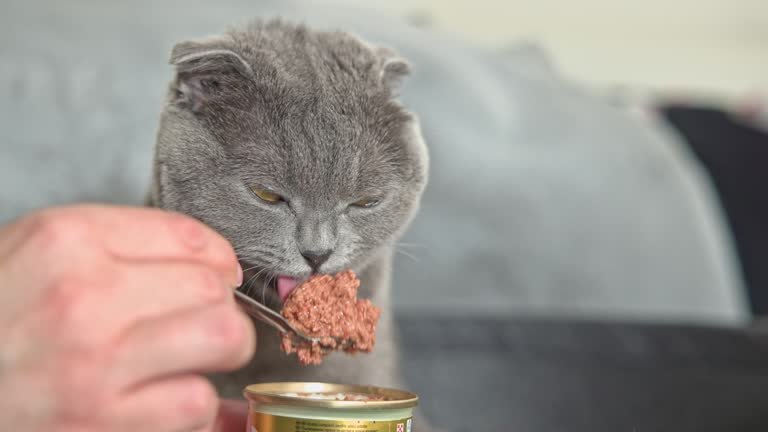
Health risks I’ve seen in clinic cats
I’ve treated cats that developed digestive issues directly linked to frequent canned tuna intake. One common problem is a vitamin imbalance, especially when tuna is gradually replacing a complete cat food. I remember a cat that came in with low energy and dull fur after being fed tuna for nearly two months straight. It recovered, but only after a strict diet correction.
Mercury exposure is another concern, although it usually builds up slowly and is more likely in long-term overfeeding situations. Tuna is not toxic in small, occasional amounts, but repeated reliance can create hidden stress on the system. I’ve had cases where symptoms were vague at first, like mild lethargy or inconsistent appetite, which made diagnosis harder. Those early signs are easy to miss at home.
Another issue I’ve seen is an increased risk of dehydration when cats eat tuna packed in oil or salted water. One clinic week, I saw four cats with mild gastrointestinal upset after their owners switched brands without realizing the sodium differences. Even small changes in canned formulations can affect sensitive cats. That’s something many owners underestimate until it happens.
How I recommend offering tuna safely
In my routine guidance, I always suggest plain canned tuna in water, drained properly, and served in small amounts no larger than a tablespoon for an average adult cat. I’ve seen better results when owners treat it as a topper rather than a full meal replacement. Consistency in primary cat food matters more than occasional treats. A balanced diet supports long-term organ health in ways tuna alone cannot.
In colder months, I sometimes see cats show more interest in rich foods, and owners tend to increase treats without realizing it. I had a case last winter in which a cat gained noticeable weight after tuna snacks were added almost daily for 6 weeks. Adjusting portions back to occasional use stabilized the situation without medication. Small changes often work best in these cases.
When cats refuse their regular food after being introduced to tuna, I usually recommend a short reset period in which tuna is completely removed for several days. I’ve done this with many clients, and most cats return to standard diets within a week. It requires the owner’s patience above all else. A cat’s feeding habits can shift faster than people expect, especially with strong-smelling foods.
I’ve learned that the real challenge is not the tuna itself but how easily it can become a household habit. Owners rarely intend to create dependency, but cats are quick learners when food rewards are involved. The best outcomes I’ve seen always come from clear limits and predictable feeding routines rather than occasional improvisation.