
I run a mobile dog grooming van, so I see firsthand how rawhide bones affect dogs. Some handle rawhide fine; others do not. My opinion is based on direct experience, not just packaging claims.
What Rawhide Really Is and Why Dogs Love It
Rawhide is made from the inner layer of cow or horse hides, processed and shaped into chews that can last a long time. Dogs tend to love it because it softens as they chew, which gives them something to work on for a while. I have watched nervous dogs settle down in my van just by having something like this to focus on. It gives them a job, and dogs like that do too.
The texture changes quickly. Once it gets wet, it becomes chewy and pliable, making it feel more like something edible than a toy. At this stage, especially for dogs that gulp rather than chew thoroughly, problems can begin. For example, a dog may try to swallow large pieces before they’re broken down enough, increasing the risk of complications.
Misunderstandings about chews are common. Some owners assume all chews are the same, but rawhide actually sits in a strange middle ground between a treat and a toy. This confusion can lead to misuse. For instance, I have had clients hand me half-chewed rawhide pieces that were soft like dough and ask if they should keep giving them.
The Problems I’ve Personally Seen With Rawhide
Choking is the biggest issue I have seen. It does not happen every day, but it happens enough that I pay attention when a dog shows up with a rawhide habit. A small piece can turn into a slippery lump, and if a dog tries to swallow it whole, it can get stuck fast. This concern leads directly to the next major issue: digestion.
Another concern is digestion. I once had a customer bring in a Labrador that had been off food for 2 days, and the vet later found a blockage that looked suspiciously like rawhide. That kind of situation can get very expensive very quickly, and it is stressful for both the dog and the owner.
When owners want safer chew options and clearer information, I recommend they look at reliable comparisons of different dog chews that explain materials and risks plainly. I advise them to choose chews based on their dog’s chewing style, not just popular brands. Knowing how your dog chews is more important than any label.
There is also the issue of how rawhide is processed. Some lower-quality products go through heavy chemical treatments to clean and preserve the hide. I cannot test it in my van, but I can sometimes smell the difference. That alone makes me cautious about recommending it across the board.
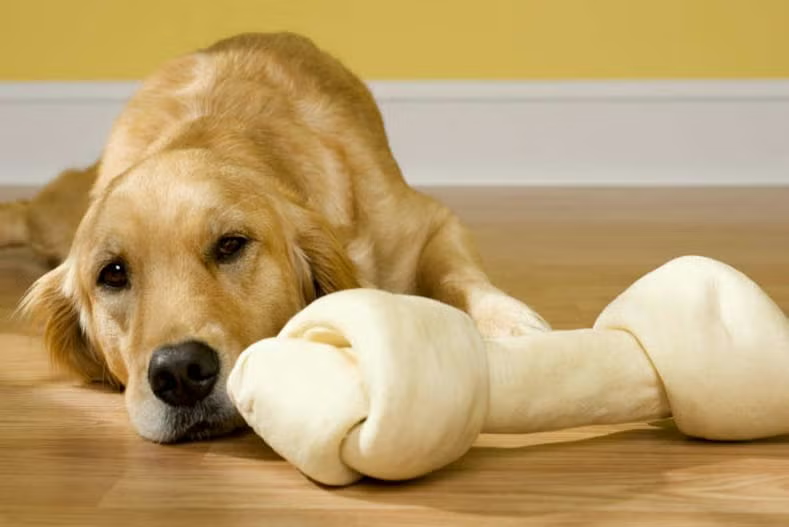
When Rawhide Might Be Okay
Despite these risks, not every dog has a bad experience. For instance, I have regular clients who chew rawhide occasionally and never seem to have issues, even after years. These tend to be slower chewers who gnaw rather than tear off chunks. That difference matters more than most people think, and it influences my recommendations.
Size plays a role. A large dog with a properly sized chew is less likely to try swallowing it whole compared to a small dog given something too big to manage. Still, I tell people the same thing every time: never leave a dog alone with rawhide.
To reduce risk, I clearly advise owners to choose thicker rawhide pieces that do not break apart easily. Always take. Owners often overlook this step, but it is critical for safety.
Better Alternatives I Recommend to Clients
I tend to suggest alternatives more often now than I did a few years ago. There are options that last just as long without the same level of concern around digestion. My go-to suggestions include natural rubber toys, nylon bones, and certain dehydrated treats that break down more predictably.
Bully sticks are popular, though they come with their own quirks, mainly the smell. Still, they digest more easily than rawhide in most cases. I have seen dogs finish one and go about their day without any issues, unlike with traditional rawhide.
Another option is dental chews designed to soften and dissolve. They do not last as long, but they are easier on the stomach. For dogs that just need something to occupy their mouth for 15 to 20 minutes, that trade-off makes sense.
How I Help Owners Decide
I usually start by asking how the dog chews. Fast or slow. That simple question tells me a lot. A dog that tears into things aggressively is not a great match for rawhide, while a calm chewer might be able to handle it with supervision.
Age also matters. Puppies are unpredictable and often swallow things they should not, while older dogs may have dental issues that make hard chewing uncomfortable. I adjust my advice based on what I see during grooming, including the condition of the dog’s teeth and gums.
I have also learned to trust patterns. If a dog has had even one incident related to choking or digestive upset, I lean toward safer options immediately. It is not worth repeating that experience just because a dog enjoys the chew.
Most of the time, I tell people this: Rawhide is only one option, and it is rarely the safest available today. There are better ways to keep a dog busy without the same risks.
I still see rawhide in plenty of homes, and I understand why people buy it. It is cheap, easy to find, and dogs seem to love it. But after years on the road, cleaning up after dogs and hearing the stories owners bring with them, I lean cautiously. A chew should not come with that much uncertainty attached.