
I run a small boarding kennel on the edge of town and have seen hundreds of dogs pass through. Parvo still makes my stomach tighten. Even vaccinated dogs have gotten sick in my care, which confuses owners. Here’s what I’ve actually seen—not just what’s on vaccine labels.
How Vaccines Work in Real Life
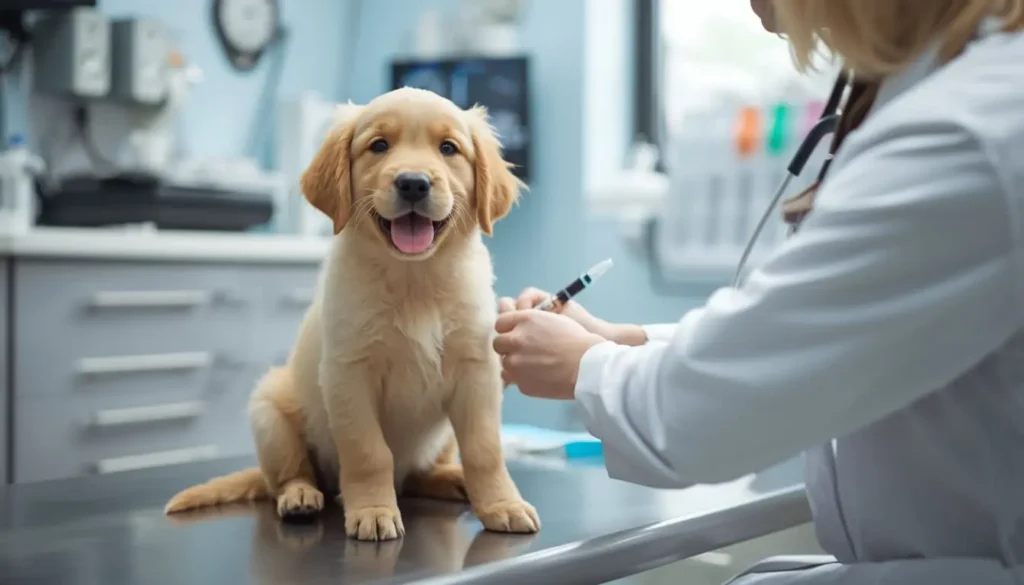
Parvo vaccines are effective, and in most cases, they do their job well. I’ve watched entire litters come in after their shots and stay perfectly healthy, even with exposure risks around them. The idea is simple: the vaccine trains the immune system to recognize and fight the virus before it causes damage. But no vaccine is perfect, and real life doesn’t always follow textbook expectations.
I remember a young Labrador, about 5 months old, who had already received two shots. His owner felt confident, and honestly, I would have too. A week later, he started vomiting and stopped eating, and within a day, it was clear something was off. Tests confirmed parvo, even though he had been vaccinated.
This doesn’t mean the vaccine failed completely. In many cases like that, the illness is milder than it would have been without any protection at all. That pup pulled through with treatment, while unvaccinated dogs in similar situations often don’t.
Why Vaccinated Dogs Can Still Catch Parvo
There are a few reasons I’ve seen vaccinated dogs still get parvo, and none of them are as simple as “the shot didn’t work.” One big factor is timing. Puppies need a series of shots, usually spaced a few weeks apart, and if exposure occurs between doses, they’re not fully protected yet.
I always tell clients to read up from sources like trusted dog health guides because they explain the vaccination schedule in a way that makes sense for real-life situations. Missing even one booster can leave a gap in protection. I’ve seen that happen more times than I can count.
Another issue is maternal antibody interference. Puppies get antibodies from their mother, and those can sometimes block the vaccine from doing its job early on. It’s a tricky balance, and it’s why vets recommend multiple shots rather than just one.
Then there’s the environment. Parvo is stubborn. It can live in soil for months, sometimes close to a year, especially in shaded areas. I’ve cleaned runs thoroughly and still treated the space like a risk zone for weeks afterward because I know how persistent that virus can be.
What I Notice in Kennel Cases
In my kennel, I’ve noticed that fully vaccinated dogs—those who have completed the series and received boosters—rarely get severe parvo. When it does occur, it’s uncommon, and symptoms are usually milder with much better recovery chances. Key takeaway: Full vaccination greatly reduces parvo severity and improves the odds of recovery.
Puppies between 8 and 16 weeks are the ones I worry about the most. That window is risky. They’re curious, they put everything in their mouths, and their immune systems are still building strength. Even with two shots, they can still be vulnerable.
A mixed-breed pup arrived from another facility with only one dose. Within days, he developed parvo, and we isolated two others.n.
I’ve also seen how stress plays a role. Boarding, travel, or even a sudden diet change can weaken a dog’s immune response. That doesn’t cause parvo, but it can make a vaccinated dog more susceptible if exposed.
Signs I Tell Owners Never to Ignore
Parvo doesn’t always announce itself loudly at the start. The early signs can look like a simple upset stomach, and that’s where people sometimes wait too long. I always tell clients to watch closely for changes in behavior, not just obvious symptoms.
Here are the signs I take seriously right away:
Loss of appetite that lasts more than a day. Lethargy that feels different from normal tiredness. Vomiting, even once or twice, combined with weakness. Diarrhea, especially if it has a strong, unusual smell or traces of blood.
I’ve seen dogs go from playful in the morning to dangerously ill by evening. It can move that fast. Quick action matters more than anything else in those situations.
What Vaccination Still Gets Right
Despite all these stories, I still insist on vaccinations for every dog that enters my facility. There’s a reason for that. Vaccinated dogs have a much higher survival rate, and outbreaks are far less severe in vaccinated populations.
I’ve had seasons where unvaccinated dogs came in from rural areas, and the difference was obvious. They got hit harder, needed longer treatment, and some didn’t recover. In contrast, vaccinated dogs exposed during the same period either remained healthy or showed only mild symptoms.
Vaccination also helps control the spread. Even if a vaccinated dog gets infected, it often sheds less virus and for a shorter time. That makes a big difference in shared spaces like kennels or parks.
Nothing is perfect. But vaccination helps a lot. Main point: While vaccines aren’t a guarantee, they greatly improve outcomes and lower overall risk. People ask me if vaccinated dogs can get parvo. I tell them yes, it can happen, but that’s not the whole story. What matters is how much protection they have when it does happen. I’ve seen enough cases to trust the process, even with its flaws. If I had to choose between a vaccinated dog and an unvaccinated one facing exposure, I know which one I’d bet on every time.