
I’ve spent years helping pet owners figure out the right time to get their cats fixed, often while working alongside a small community veterinary clinic where I assisted during post-op care and recovery advice. Most people who come in are not confused about the surgery itself, but about timing and what age makes sense for their cat’s health and behavior. I’ve had conversations with first-time kitten owners holding a six-week-old ball of fur and wondering if they’re already behind. The truth is, the answer is more flexible than most expect, but it still depends on a few important factors.
Typical age ranges vets actually use
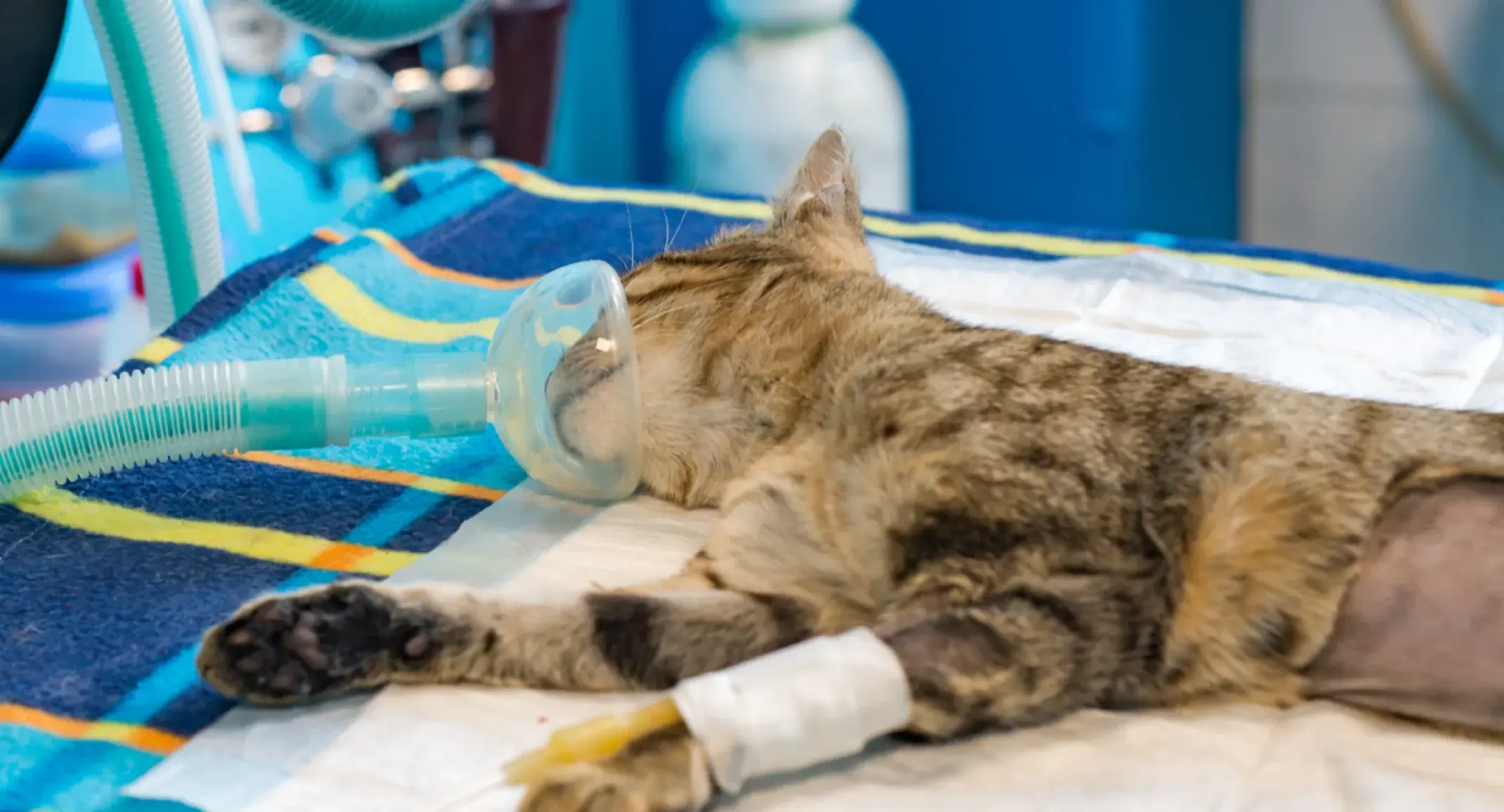
In most clinics I’ve worked at, the standard recommendation for spaying or neutering cats is between 5 and 6 months of age. That’s usually when kittens are big enough to safely handle anesthesia but still young enough to avoid most unwanted breeding behavior. I remember a customer last spring bringing in two littermates at around four months, worried they were already “too late,” and we had to explain they were actually right on time. The anxiety around being late is very common, but in practice, vets are usually comfortable scheduling within a wide window.
There are situations where early-age neutering occurs as early as 8 to 12 weeks, especially in shelters trying to prevent overpopulation. This is something I saw frequently while assisting at a low-cost spay-and-neuter program where kittens were processed quickly before adoption. Not every clinic offers this, and some vets prefer waiting until a cat is closer to half a year old for weight and development reasons. For people unsure about timing, I often suggest checking directly with a clinic, such as a trusted local veterinary care provider that regularly handles feline spay and neuter cases. Those conversations usually clear up confusion faster than online searching ever does.
Personally, I lean toward the five-month mark for most indoor cats because it balances safety with behavior control. At that age, you’re usually avoiding heat cycles in females and territorial spraying in males. I’ve seen a few households wait too long, and the difference in behavior can become noticeable fast. Once those habits form, they don’t always disappear completely after surgery.
Health, growth, and why timing isn’t one-size-fits-all
The idea that there is a single perfect age doesn’t hold up once you’ve seen enough different cats in different environments. Some kittens grow quickly and hit a healthy surgical weight earlier than expected, while others take longer and need more time before anesthesia is safe. I’ve worked with cats from rural homes where feeding patterns were inconsistent, and those animals often required delayed procedures simply to ensure proper recovery conditions. Body condition matters more than the calendar.
Male and female cats also don’t always follow the same timing considerations. Females can go into heat as early as 5 months old, which changes the urgency for many owners. I remember a case from a small home rescue where a kitten surprised everyone by entering heat at just under six months, leading to a rushed but safe scheduling of surgery. Males, on the other hand, often develop spraying behavior slightly later, but once it starts, it can become a habit that sticks even after neutering. That’s why timing discussions are rarely simple.
Over the years, I’ve noticed that indoor-only cats give owners more flexibility. Outdoor or partially outdoor cats usually require earlier planning due to exposure risks and potential mating behavior. In multi-cat homes, timing can also shift depending on how quickly kittens mature compared to each other. No two households I’ve worked with have had identical situations, even when the cats were from the same litter.
Behavior changes and what owners actually notice
One of the biggest reasons people ask about fixing cats is behavior, not just health. I’ve had owners describe sudden aggression, nighttime yowling, or constant attempts to escape the house, especially once puberty starts. Those behaviors can be stressful, and I’ve seen families rearrange furniture or block windows just to prevent escape attempts during a female cat’s heat cycle. It’s not unusual for tension in the home to build quickly during that stage.
Neutering or spaying doesn’t erase personality, but it does often soften hormone-driven behaviors. I’ve watched cats that were once restless and vocal settle into calmer routines within a few weeks after surgery. The change isn’t instant, though, and that surprises people. Hormones take time to level out, and habits formed before surgery can linger if they’ve been practiced for months.
Some behaviors don’t fully disappear, especially if they were learned early. A male cat that has been spraying for a while may still mark occasionally after neutering, though the frequency usually drops. I always remind owners that surgery is not a behavior reset button but rather a shift in motivation. That expectation makes the adjustment period easier to manage.
I’ve also seen quieter cats become even more relaxed afterward, which sometimes surprises owners who expected a dramatic change. In multi-pet households, reduced competition can noticeably improve the overall environment. Still, each cat responds differently, and I’ve learned not to promise identical outcomes across the board.
Making the decision at the right moment
Deciding when to get a cat fixed often comes down to a mix of age, weight, behavior, and home environment rather than a strict rule. In my experience, the most successful outcomes occur when owners plan ahead rather than react after behaviors have started. I’ve seen too many rushed appointments scheduled during a first heat cycle or after spraying has already become routine, which makes the process feel more stressful than it needs to be.
Some owners prefer waiting until six months for larger breeds or slightly slower-developing kittens, and that can be reasonable when supervised by a vet. Others choose earlier scheduling to avoid any risk of unwanted breeding, especially in homes with multiple cats or outdoor access. There isn’t a single correct approach, but there are better-prepared ones. A short conversation with a vet usually provides more clarity than guessing from general timelines.
I still remember a family that brought in their kitten at 5 months, after carefully tracking her growth for weeks. They had marked it on a calendar, weighed her regularly, and asked questions early instead of waiting. That kind of preparation usually leads to smoother recovery and fewer surprises afterward. The timing wasn’t perfect by theory, but it worked perfectly for their situation.
In the end, I’ve learned that cat care decisions like this are less about hitting a magic number and more about reading the individual animal in front of you. Once owners start thinking that way, the anxiety around timing usually fades.