
I work as a veterinary technician at a small-animal clinic, where I’ve spent years handling infectious diseases in cats and dogs. One question I still hear from worried cat owners is whether adult cats can get parvo the same way puppies do.
The confusion usually stems from seeing severe parvovirus cases in dogs and assuming that cats face the same risk. In reality, feline parvovirus exists, but it behaves a bit differently than most people expect. I’ve seen cases across different ages, and adult cats are not completely outside the risk zone.
Understanding parvovirus in cats
Feline parvovirus, also known as feline panleukopenia, is closely related to canine parvovirus, which affects dogs. In the clinic, I’ve seen how quickly it can spread in unvaccinated populations, especially in shelters or multi-cat homes. The virus attacks rapidly dividing cells, which is why kittens tend to suffer the most severe outcomes. Adult cats, however, can still be infected if they are unvaccinated or have weakened immune systems.
Many people assume that parvo is strictly a puppy problem, but that assumption can be misleading. I remember a case from a small rescue group where an adult stray cat came in with severe vomiting and dehydration, and testing confirmed panleukopenia. The staff initially thought it was something milder because of the cat’s age, but the lab results told a different story. Cases like that remind me that immunity status matters far more than age alone. In my experience, vaccination history is the real dividing line between protection and vulnerability.
Adult cats and real-world risk
In most healthy adult cats, exposure to parvovirus does not automatically mean severe disease because many have either been vaccinated or exposed to a weakened form of the virus earlier in life. Still, I’ve seen exceptions in cats that missed their booster shots or lived in stressful environments where immune function was compromised. A customer last spring brought in two indoor cats after adopting a stray kitten, and within days, one adult cat began showing symptoms. That situation escalated quickly because the virus had already spread through shared litter areas.
When discussing care options with worried owners, I often recommend reaching out to a local veterinary clinic for immediate testing if any exposure is suspected, especially when multiple cats live in the same home. Quick isolation and supportive care can make a significant difference in outcomes, even for adult cats that seem stable at first. I’ve noticed that early intervention is often the turning point between recovery and severe illness. In busy clinics, delays of even 24 hours can change the entire treatment plan.
Adult cats generally have stronger immune systems than kittens, but that does not make them immune. Stress, poor nutrition, and underlying conditions like kidney disease can weaken defenses enough for infection to take hold. I’ve seen cases where an older indoor cat developed symptoms after exposure to a new rescue cat that appeared healthy on the surface. The risk is not as high as in kittens, but it is never zero.
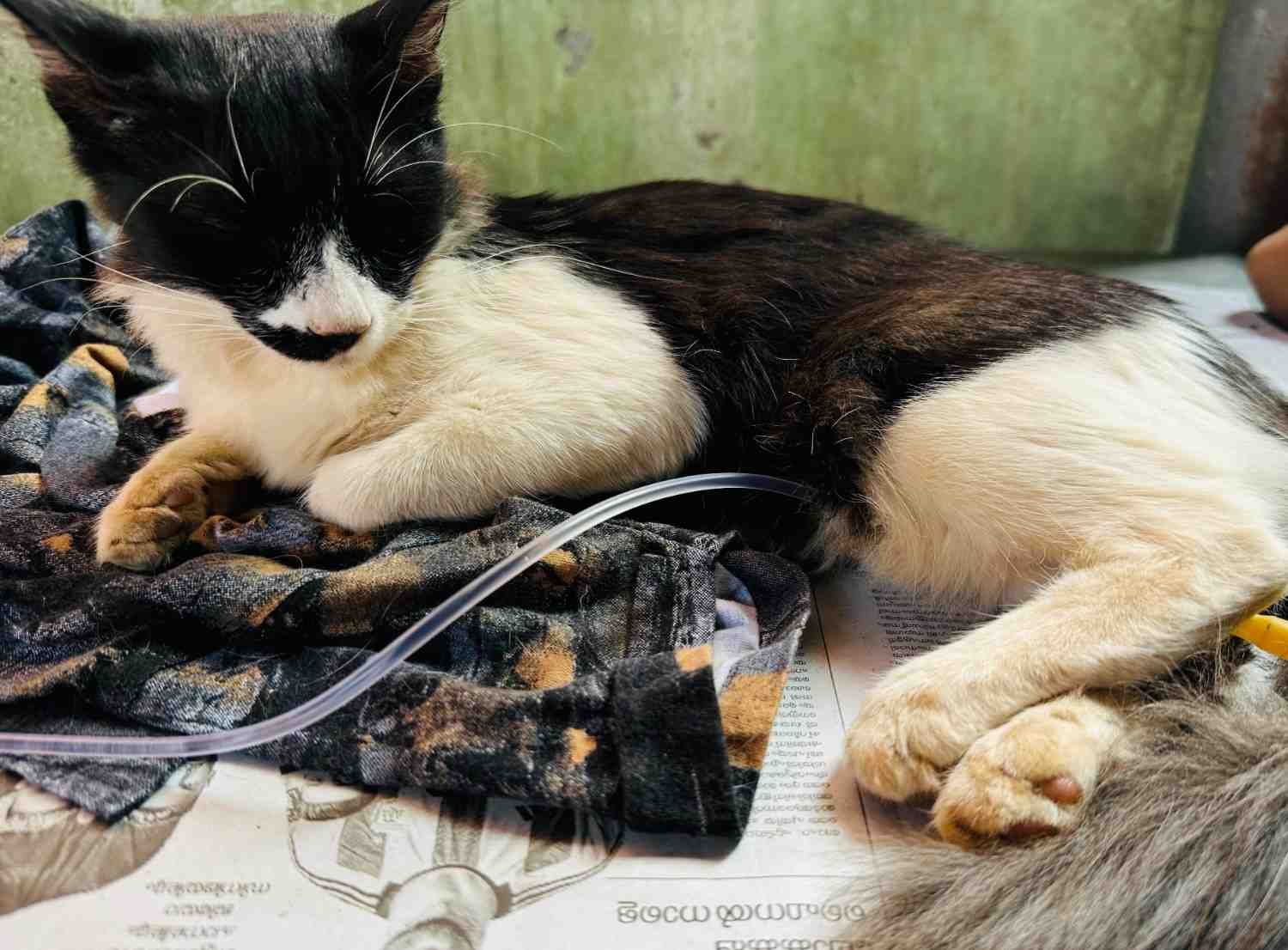
Signs I watch for in clinic cases
When an adult cat presents with suspected parvovirus exposure, the first thing I look for is sudden gastrointestinal distress. Vomiting that starts without warning is one of the earliest red flags. Diarrhea, especially if it becomes severe or bloody, usually follows quickly. Some cats also show a sharp drop in energy that is hard to miss even for inexperienced owners.
I remember one case where a normally active indoor cat stopped eating for two days, which the owner initially dismissed as stress from a new environment. By the time they brought the cat in, dehydration had already set in. The bloodwork showed a dangerously low white cell count, a classic sign of panleukopenia. That case taught the owner how subtle early signs can be before things escalate.
Another symptom I often mention is fever followed by a sudden drop in body temperature, which can confuse owners because it appears to be an improvement at first. In reality, it usually signals that the immune system is struggling to respond. Cats may also hide more than usual, a typical behavior for illness that is often overlooked in indoor pets. Even small behavioral changes matter more than people expect.
Prevention, immunity, and long-term care
Vaccination remains the most reliable protection against feline parvovirus, and in my clinic experience, properly vaccinated adult cats rarely develop severe disease even after exposure. I’ve seen multi-cat households stay completely unaffected simply because their booster schedules were up to date. That level of protection is something I always emphasize during routine checkups because it prevents emergencies later on.
Stress management also helps reduce risk. Cats that move between homes, shelters, or foster environments tend to face higher exposure rates, and their immune systems can fluctuate during those transitions. I’ve worked with rescue organizations where strict quarantine protocols reduced outbreaks significantly within just a few months. Clean environments, separate litter boxes, and controlled introductions all help reduce viral spread.
Nutrition is another factor that often gets overlooked. Cats that are underfed or dealing with chronic illness tend to recover more slowly if they do get infected. I’ve noticed that supportive feeding plans during recovery often improve outcomes even when medication options are limited. Hydration support is especially important in adult cats showing gastrointestinal symptoms.
In everyday practice, I’ve learned that adult cats can absolutely get parvo, but the severity depends heavily on immune status, vaccination history, and exposure conditions. I’ve seen mild cases resolve with supportive care and others escalate quickly when early signs were ignored. The difference usually comes down to timing and awareness rather than age alone.
When I think back to the cases I’ve handled, the pattern is consistent: adult cats are not exempt, just better equipped when properly protected. The virus does not discriminate, but preparation often makes the outcome far less severe. That is something I remind every cat owner who walks into the clinic asking the same question.