
I work as a mobile pet groomer who also helps cat owners deal with diet-related issues during house visits across small towns and suburbs. Over the years, I have seen people try all kinds of human foods with their cats, often assuming “natural” fruits are always safe. Acai has been popping up more often lately, thanks to smoothie bowls and health trends. I’ve had a few curious pet owners ask me if their cat can lick a spoon after they finish their bowl.
Why Acai Raises Questions for Cat Owners
Acai is a small purple berry that comes from the acai palm tree, mostly found in South America. People usually eat it in frozen puree or powder form rather than fresh fruit. I first started hearing about it from clients who switched to healthier breakfasts and shared their food with pets without thinking twice. Cats, being naturally curious, often try to investigate anything new on a plate.
In my experience, most cats are not interested in fruit unless it has something fatty or creamy mixed in. Acai bowls usually contain toppings like honey, granola, or yogurt, which attract a cat more than the berry itself. I once visited a home where a cat licked a bowl clean after the owner stepped away, mostly because of the yogurt and banana on top. The owner assumed it was the acai that interested the cat, but it was clearly everything else.
The main concern with acai is not that it is a typical toxic fruit like grapes or onions, but that it is not well-studied in feline diets. Cats are obligate carnivores, and their digestive systems are not designed to process plant-heavy foods. Even if acai is not highly toxic, it still does not belong in their regular diet. I usually tell owners that “not toxic” does not automatically mean “safe.”
What I Tell Pet Owners About Safety
When I’m asked directly whether cats can eat acai, I explain it simply based on what I’ve seen in real homes. Small accidental licks from a spoon are unlikely to cause immediate harm, but repeated exposure or larger amounts can upset digestion. I have seen cats develop mild vomiting or loose stools after getting into human smoothie leftovers that contained mixed fruits. It is rarely dramatic, but it is uncomfortable for the animal and stressful for the owner.
During one of my grooming visits last summer, a client mentioned their kitten had been stealing bites from their breakfast bowl. The kitten seemed fine at first, but later developed mild stomach sensitivity after a few similar incidents. I suggested separating feeding areas and avoiding leaving any human food unattended. Around the same time, I also recommended they consult a cat for proper dietary guidance, especially since the household had multiple pets with different needs. They later told me that changing simple habits solved the problem completely.
From a practical standpoint, acai is usually mixed with other ingredients, and that is where the real risk often hides. Sweeteners, dairy, or even chocolate-based toppings can be more harmful than the berry itself. I always remind pet owners that cats do not process sugar or additives well. Even if acai itself is neutral, the bowl it comes in often is not.
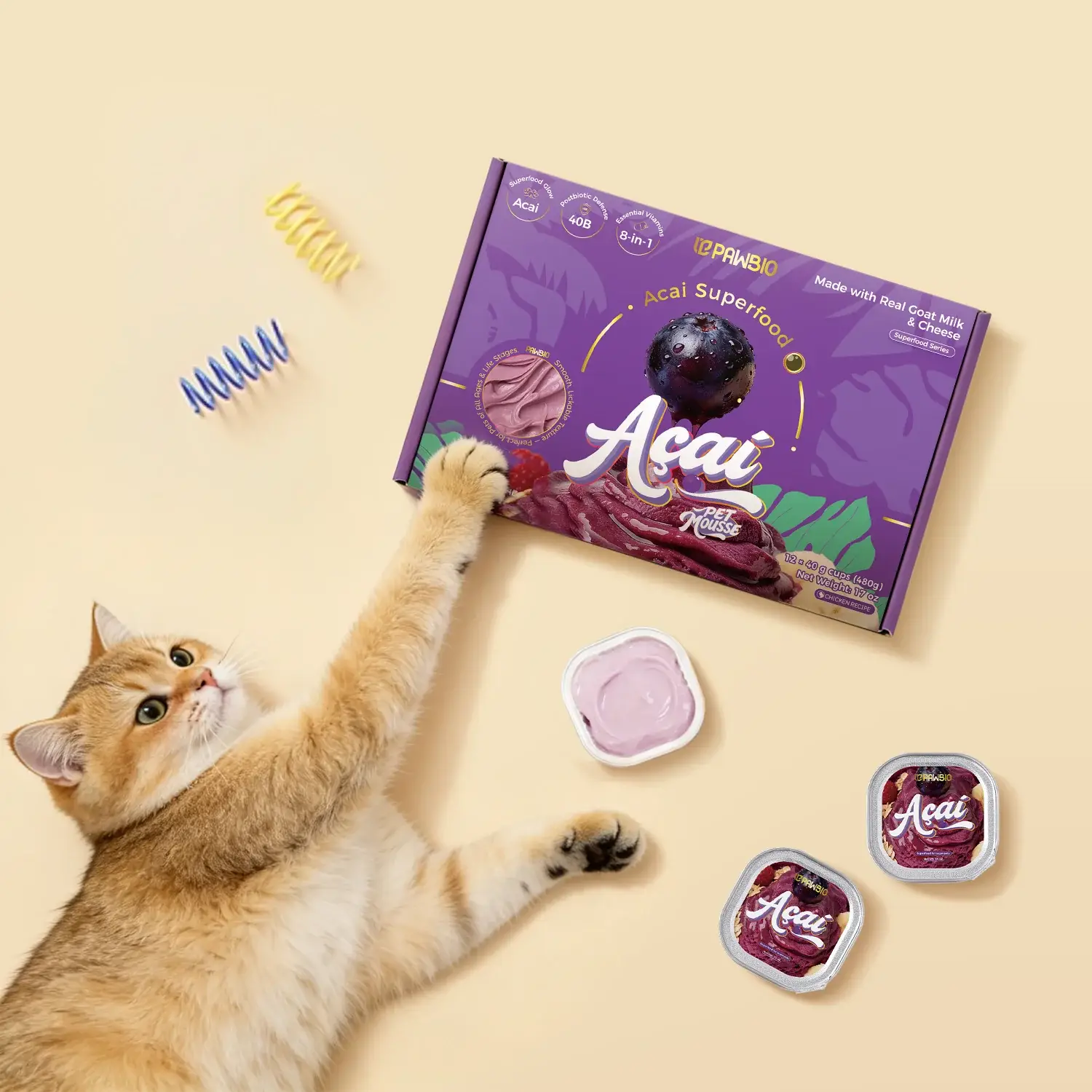
What Happens If a Cat Eats Acai
If a cat eats a small amount of plain acai, in most cases I’ve seen, there are no major issues. However, individual sensitivity varies, and some cats react with digestive upset even to small changes in diet. Symptoms such as mild vomiting, soft stools, or temporary loss of appetite can appear within a few hours. I usually advise owners to observe their cat closely for at least a day after any accidental ingestion.
I remember a case where a young indoor cat managed to eat a spoonful of leftover acai mix from a breakfast table. The owner panicked, expecting something severe, but the cat only showed mild stomach discomfort for a short period. The symptoms resolved on their own after simple hydration and rest. Still, the stress it caused the owner was enough for them to completely change how food was stored at home.
More serious reactions are rare, but they can happen when acai is combined with other ingredients or consumed in larger quantities. Cats with sensitive digestion may react more strongly than others. I have also seen cases where the issue was not the fruit but contamination from other foods in the same bowl. That is why I never encourage letting cats “try a little” from human meals.
Behaviorally, some cats may start begging for human food after tasting something sweet or creamy. This can create a habit that is harder to break than the initial dietary concern. I have worked with households where one small habit turned into daily begging at the table. It usually takes consistent training to undo it, and prevention is much easier than correction.
Safer Choices for Curious Cats
In my work, I focus more on what cats can safely enjoy rather than what they should avoid. If owners want to offer treats, I usually suggest sticking to cat-safe commercial treats or small amounts of plain cooked meat. These options align with a cat’s natural dietary needs and are less likely to cause digestive upset. It also helps avoid confusion about what is “food” and what is not.
Some cats enjoy tiny amounts of certain vegetables, such as cooked pumpkin or plain cooked carrots, but even these should be offered carefully and in moderation. I have seen cats completely ignore fruit when offered separately, even though they had shown interest in human food earlier. Their curiosity is often driven by smell and texture rather than nutritional interest. That distinction matters more than most people realize.
When I visit homes regularly, I often suggest creating a clear feeding routine that keeps human food out of reach. Cats learn patterns quickly, and once they associate countertops or tables with food access, they repeat the behavior. Simple consistency usually solves most of these issues without stress or punishment. Over time, the cat adjusts to its own safe diet.
Acai itself is not something I would intentionally include in a cat’s diet based on everything I’ve seen in practice. Even if it does not always cause harm, it offers no real benefit for them either. In my experience, keeping cats on familiar, species-appropriate food is the most reliable way to avoid unnecessary problems. That approach has worked across dozens of households I’ve visited over the years.