
I spend my winters walking back alleys and quiet streets in Faisalabad, looking after stray cats that have learned to trust me over time. Over the years, I’ve fed them, treated minor injuries, and tried to make their cold nights a little less harsh.
Winter here doesn’t bring heavy snow, but the sharp drop in temperature is still enough to put small outdoor animals under real stress. I’ve seen cats curl up in places that offer almost no protection, just trying to survive until morning.
How Cold Affects Stray Cats
Stray cats don’t have the luxury of consistent shelter, so their bodies constantly adjust to changing conditions. I’ve noticed that even a slight wind in January can make them restless and less active. When temperatures drop at night, their energy goes into staying warm rather than into searching for food. That shift alone weakens them over time.
Many people assume cats naturally handle cold well, but I’ve seen the opposite in real conditions. A young tabby I used to feed last winter started losing weight quickly after a week of cold nights. Its fur helped, but not enough without shelter or extra calories. Hypothermia risk increases more than most people realize, especially for kittens and older cats.
Cold stress also changes behavior in subtle ways. Some cats stop visiting feeding spots because they conserve energy. Others become more aggressive when food is available, simply because survival instincts take over. I’ve learned to read those shifts as early warning signs that they need better protection.
Building a Simple Warm Shelter
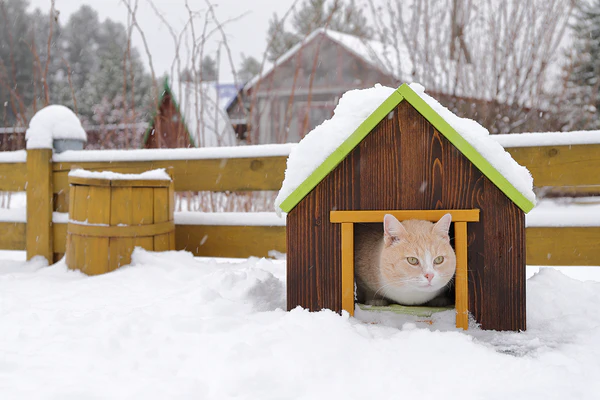
One of the most practical steps I take is setting up insulated shelters in safe corners where cats already roam. I usually use plastic storage boxes with a small entry cut low to the ground, then line them with old blankets or straw. Straw works better than fabric in damp conditions because it stays dry longer. The goal is not luxury, just heat retention and wind protection.
During a cold spell last year, I set up three shelters near a row of shops where cats often gathered at night. One shopkeeper told me he noticed the cats stopped disappearing at dawn once the shelters were placed. I also use simple coverings to block wind, sometimes positioning boxes behind walls or stacked crates. Small placement decisions matter more than expensive materials.
For people who want to support stray animals but don’t know where to start, I often suggest checking guidance from a local animal rescue center that understands regional winter conditions and can offer practical advice or materials. I’ve seen many cases where small community efforts made a noticeable difference in survival rates. Even a basic shelter placed correctly can turn a dangerous night into a manageable one.
Food, Warmth, and Energy Balance
Food is directly tied to warmth for stray cats because calories become fuel for body heat. I usually increase feeding portions slightly during colder weeks, especially in the evening before temperatures drop. Dry food alone isn’t enough on cold nights, so I try to add wet food or warm leftovers when possible. Even simple adjustments help maintain their energy levels.
I’ve observed that cats with regular feeding spots tend to stay in better condition through winter. One orange cat I called “Rusty” started appearing twice daily once I kept a consistent feeding routine. It made a clear difference in how alert and stable he looked over time. Consistency matters more than quantity in many cases.
Water is another overlooked factor. In cold weather, water bowls can freeze or become unappealing. I sometimes replace water more frequently in the evening and place bowls in sheltered areas. Small habits like this reduce stress on the animal’s system.
Small Adjustments That Make a Big Difference
Not every solution requires building shelters or feeding stations. I often notice that even minor environmental changes improve survival chances. Moving a feeding bowl away from direct wind or placing cardboard barriers around sleeping areas can significantly reduce heat loss. These small actions accumulate into meaningful protection over time.
One winter, I watched a group of cats gradually shift their sleeping spots after I placed a few wooden boards near a wall. They began using that area more consistently because it blocked the cold wind effectively. No training was involved, just natural adaptation to a better micro-environment. Cats are quick to respond when conditions improve even slightly.
Sometimes people think they need perfect setups to help stray animals, but I’ve learned that imperfect support still saves lives. A dry corner with a blanket is far better than open pavement in freezing air. The goal is steady improvement, not perfection, and every small step contributes to that outcome.
Watching Health Through the Season
Winter care also means paying attention to health changes that are easy to miss. I keep an eye on breathing patterns, coat condition, and energy levels when I visit feeding spots. A cat that suddenly isolates itself or stops grooming usually needs attention. These signs often appear before visible illness.
I once noticed a gray cat that started avoiding food even though it kept showing up daily. After a few days, I realized I was struggling with respiratory issues likely worsened by cold exposure. Catching that early allowed me to coordinate help before it became serious. Observation becomes a responsibility when you regularly care for strays.
Even experienced caretakers sometimes miss signals, especially when multiple cats are involved. That’s why I focus on patterns rather than single observations. A consistent drop in activity over several days suggests more than a single unusual moment. Winter makes those patterns even more important because conditions change more quickly than in other seasons.
Helping stray cats through winter is not about one big intervention. It is a series of small, repeated actions that slowly stack up into real protection. I’ve learned that patience matters as much as effort, and that even modest care can carry an animal through the hardest nights.