
Many cat owners enjoy giving their pets small treats, especially fish. Sardines are often seen as a tasty option because of their strong smell and soft texture. Cats usually love them, but that does not always mean they are safe in every situation. Understanding how sardines affect your cat can help you make better feeding decisions.
Are Sardines Safe for Cats
Sardines are generally safe for cats when given in small amounts. They are rich in protein and contain healthy fats that support your cat’s body. These nutrients can help improve skin and coat condition. Still, portion size matters.
Too many sardines can lead to problems. They are high in fat, which may upset your cat’s stomach if eaten often. Some sardines also contain added salt or oil. These ingredients are not ideal for cats.
Fresh or canned sardines in water are usually the best choice. Avoid flavored varieties or those packed in heavy oil. Keeping it simple reduces risks. Small portions work best.
Nutritional Benefits and Possible Risks
Sardines offer several health benefits. They are rich in omega-3 fatty acids, which support heart health and reduce inflammation. These nutrients can also help with joint health. Cats may benefit from this boost.
If you are wondering if sardines are ok for cats, many pet care resources explain how they can be a healthy treat when given properly and in moderation. These sources often highlight both benefits and risks. Balance is important.
There are some risks to consider. Sardines can contain small bones, which are usually soft but still need attention. Large quantities may lead to digestive upset. Overfeeding can also cause weight gain.
Salt content is another concern. Some canned sardines have high sodium levels. Too much salt can affect your cat’s health over time. Always check the label before feeding.
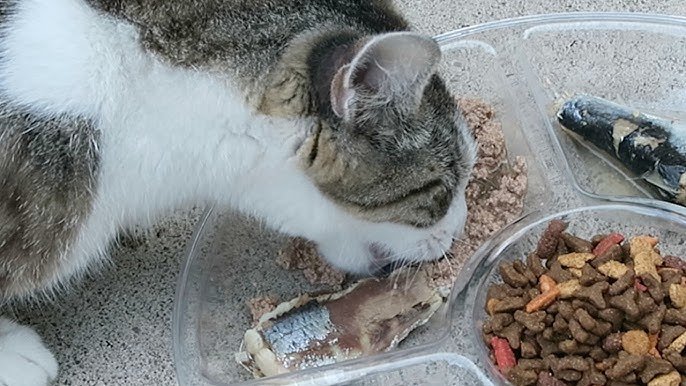
How Often Can Cats Eat Sardines
Sardines should not replace regular cat food. They are best used as an occasional treat. Feeding them once or twice a week is enough for most cats. This helps avoid overfeeding.
Portion size depends on your cat’s weight. A small cat may only need half a sardine. Larger cats can handle a bit more. Adjust based on your pet’s size.
Watch your cat’s reaction after feeding sardines. Some cats may tolerate them well, while others may show mild stomach issues. Changes can appear within a few hours. Pay attention to signs.
Consistency helps. Stick to a routine and avoid sudden changes in diet. Cats prefer stability. Sudden changes can upset their digestion.
Best Ways to Serve Sardines to Cats
Preparation matters when feeding sardines. Always serve them plain without added spices or sauces. Simple food is safer for cats. Keep it clean and natural.
Remove excess oil before serving. If the sardines are canned in water, draining them is still a good idea. This helps control fat intake. Less oil means fewer problems.
Here are a few simple tips for serving sardines:
– Cut sardines into small pieces for easier eating
– Remove any large or hard bones if present
– Serve at room temperature, not cold
– Mix a small amount with regular cat food
– Avoid adding salt or seasoning
Clean the feeding area after serving. Sardines have a strong smell that can linger. Keeping things tidy helps maintain hygiene. Your cat will still enjoy the treat.
When Sardines May Not Be a Good Choice
Some cats should avoid sardines altogether. Cats with kidney issues may need a low-sodium diet. Sardines may not be suitable in such cases. Always consider health conditions.
Overweight cats should also avoid high-fat treats. Sardines can add extra calories quickly. Even small portions may contribute to weight gain. Careful feeding is needed.
Kittens may have more sensitive stomachs. Introducing sardines too early can cause digestive upset. It is better to wait until they are older. Start slowly when you do.
If your cat shows signs like vomiting or diarrhea after eating sardines, stop feeding them. Not every cat reacts the same way. Individual tolerance varies.
Sardines can be a healthy and tasty treat for cats when offered in small amounts and prepared properly. Paying attention to portion size, ingredients, and your cat’s health ensures a safe experience. A careful approach lets your cat enjoy sardines without unnecessary risk.