
I run a small mobile veterinary service that covers a wide stretch of rural backroads, and I get asked about rattlesnake vaccines for dogs more often than you might expect. Most of the calls come in spring, right when people start hiking again, and dogs are back off-leash.
I have treated more than a few snakebite cases over the years, and those experiences shape how I answer the question. The short version is yes, a rattlesnake vaccine exists, but it is not as simple as people hope.
What the Rattlesnake Vaccine Actually Does
The rattlesnake vaccine for dogs is designed to help reduce the severity of a bite rather than prevent it entirely. I explain this to owners in plain terms because many assume it works like a typical core vaccine, which blo
cks infection. That is not the case here. The vaccine stimulates antibodies that may help neutralize venom, giving you time to reach a clinic.
In my own practice, I have seen vaccinated dogs still develop swelling, pain, and tissue damage after a bite. In some cases, the difference is that the symptoms progress more slowly. That slower progression can mean the difference between a manageable emergency and a crisis that spirals within an hour. Time matters. A lot.
The vaccine is usually given in two initial doses spaced about 3 to 4 weeks apart, followed by boosters every 6 to 12 months, depending on risk. Dogs that spend a lot of time outdoors, especially in warmer regions, tend to stay on a tighter booster schedule. Indoor dogs rarely need it. I do not push it as a default.
When I Recommend It and When I Don’t
I recommend the vaccine for dogs that hike, roam large properties, or spend time in known snake habitats—like a client whose dog roamed acres daily, making the extra protection worthwhile despite its limits.
For dogs that rarely leave urban sidewalks, I usually advise against it. The cost adds up over time, and the benefit may be minimal. I had one owner who insisted on it for a small indoor dog, and I walked them through the actual risks before they made a decision. Context matters more than fear.
If you want to read a broader breakdown from a general pet health perspective, I have pointed some clients toward Is There a Rattlesnake Vaccine for Dogs ” as a starting point before they come in with follow-up questions. That way, our conversation is more focused and grounded in what they already understand.
What the Vaccine Cannot Replace
The biggest mistake I see is owners treating the vaccine as a safety net that lets them relax. It does not work that way. Even vaccinated dogs need immediate veterinary care after a suspected bite. I have seen delays of even 45 minutes make a noticeable difference in the severity of the outcome.
Antivenom remains the main treatment for serious bites, and it’s not cheap. I have had cases where the total cost reached several thousand dollars, depending on how many vials were needed and how long the dog stayed under observation. The vaccine does not eliminate that need. It may reduce it, but there are no guarantees.
The vaccine’s effectiveness varies by rattlesnake species. I always mention this, especially if you travel with your dog to different regions.
What I Have Seen in Real Cases
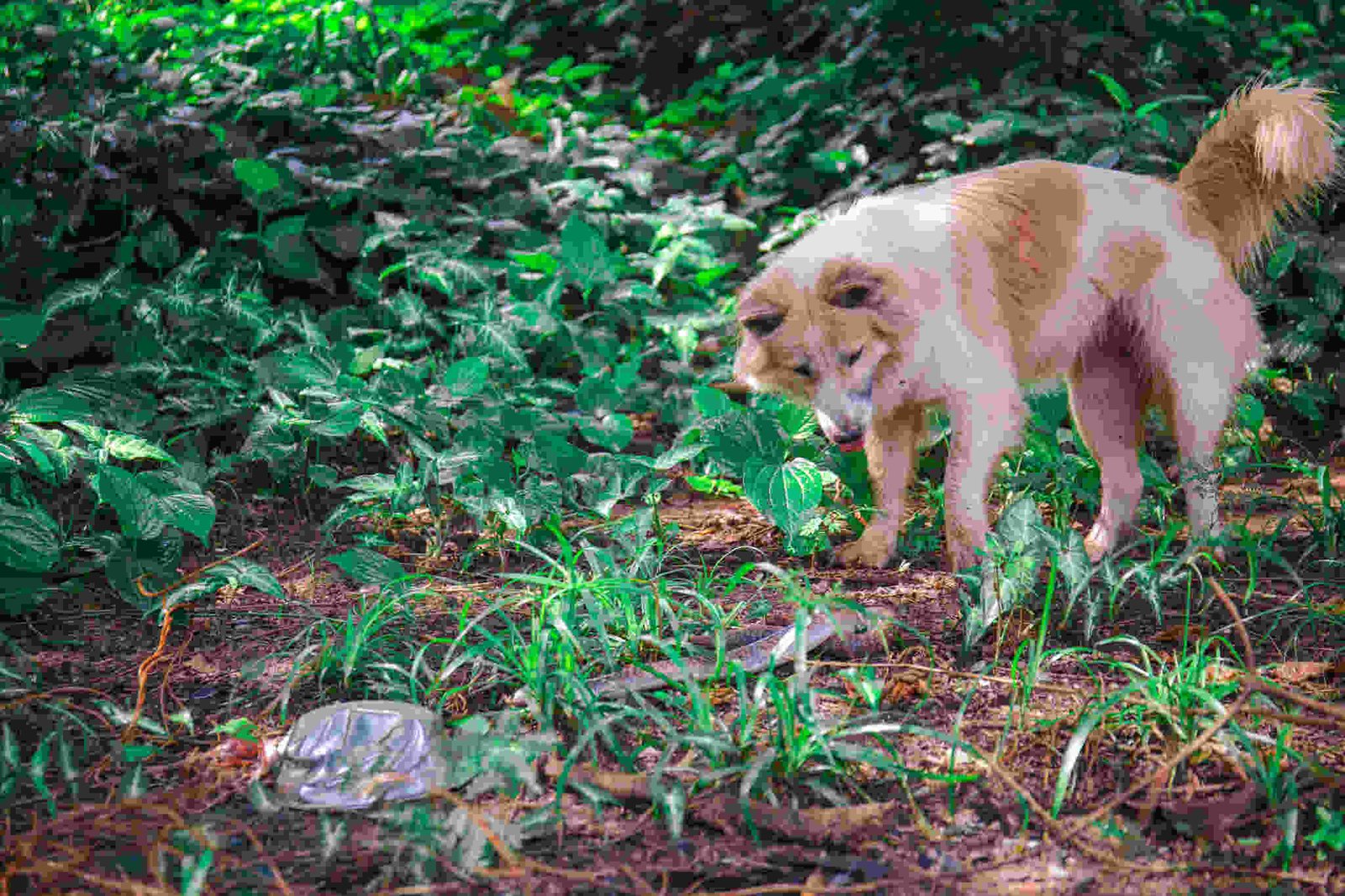
One case that sticks with me involved a medium-sized dog that had been vaccinated about six months prior. The dog was bitten on the muzzle during a hike, a common occurrence since dogs investigate with their noses. Swelling started within minutes, but it did not escalate as aggressively as I have seen in unvaccinated dogs.
We treated the dog with antivenom and monitored it overnight. Recovery was smoother than average, though it is hard to say how much the vaccine helped compared to quick action. Clean comparisons are rare in such cases.
I’ve also treated vaccinated dogs with severe reactions. One older dog suffered significant tissue damage despite boosters. Age, size, bite location—many factors matter; the vaccine is just one variable.
How I Talk to Owners About Risk
I try to keep the conversation practical. If your dog is off-leash in snake territory even a few times a month, the risk is real. If your dog stays in a fenced yard in a dense neighborhood, the risk drops sharply. Those are two very different situations, and they deserve different decisions.
I also remind people that avoidance training can be just as valuable. Some trainers work with dogs to recognize snake sounds and scents, teaching them to back away. It is not foolproof, but I have seen it reduce risky behavior in curious dogs that would otherwise charge straight in.
Simple habits help too. Keeping your dog on a leash in tall grass, avoiding rocky areas during peak heat, and paying attention to warning signs, such as rattling, can help reduce your chances of an encounter. These steps cost nothing. They matter.
Treat the rattlesnake vaccine as one possible tool, not a default solution. In high-risk settings, it makes sense. In others, awareness and prevention may be more effective. The right call depends on your dog’s actual risk.