
I run a small canine dental-cleaning setup at a busy veterinary clinic, and I have spent years peering into dog mouths that most owners barely notice. The first teeth I always check are the incisors. They tell me more than people expect. If you have ever wondered how many incisors dogs actually have, I can answer that in seconds, but the real story lies in how those tiny teeth behave over time.
The Exact Number of Incisors in Dogs
Adult dogs have 12 incisors in total: six on the top and six on the bottom, all lined up between the canines. These flat, small teeth do not stand out like the canines, but I count them quickly during every exam since missing or worn incisors often reveal habits the owner never mentions.
Puppies start with fewer teeth overall, but they develop 12 deciduous incisors early, which are later replaced by permanent ones. That transition can be messy; I have seen loose baby incisors hanging by a thread while the adult tooth pushes through.
The shape matters. Incisors are designed for nibbling, scraping, and grooming. Dogs use them to pick at fur, remove debris, and even scratch an itch in a way that looks almost human. They look small, but they do a lot of daily work.
What I Notice During Routine Checks
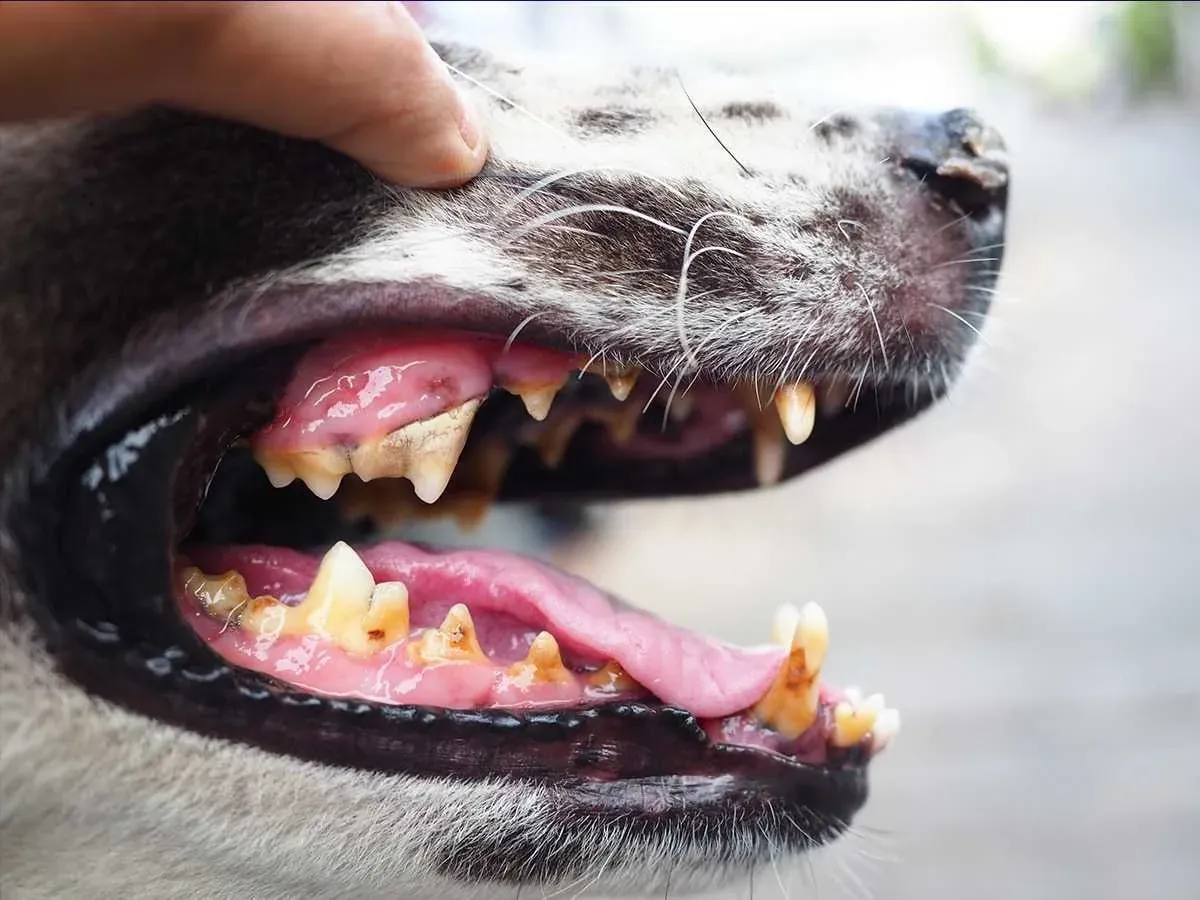
I usually start with the incisors because they show early signs of trouble. Tartar builds up quickly on those front teeth, especially in small breeds with tighter spacing. I remember a customer last spring who brought in a terrier with heavy yellow buildup just on the lower incisors, while the rest of the mouth looked decent. That uneven wear told me the dog had a chewing habit focused on one side.
Sometimes owners ask where they can learn more about dental care basics, and I point them to resources like ” How many incisors do dogs have as a starting point before we talk about treatment options. It helps them come back with better questions. That kind of back-and-forth saves time during follow-ups.
Chipped incisors are more common than people think. Dogs that chew on hard surfaces, such as metal crates or stones, often damage their front teeth first. I have seen clean chips that expose the inner layer, and those cases need attention, even if the dog still eats normally.
Alignment is another detail. A dog with crowded incisors can easily trap food. That leads to gum irritation within weeks. I can usually spot mild gingivitis right at the gumline of the lower front teeth before it spreads elsewhere.
How Incisors Change With Age
Young dogs have sharp, clean incisors with a clear three-lobed edge. That edge starts to wear down as the dog ages. By the time a dog reaches five or six years, those lobes often smooth out into a flatter surface. It is subtle, but once you have seen hundreds of mouths, the difference stands out immediately.
Older dogs show more wear and sometimes a slight recession of the gums around the incisors. That does not always mean disease. Some of it is just used over time. Still, I pay close attention to whether the gumline pulls back unevenly or if one tooth looks shorter than the rest.
Color changes matter too. A healthy incisor should be off-white, not bright white. If I see a grey or darkened tooth, it often means past trauma. That tooth might be dead inside, even if it is still firmly in place.
Age estimation sometimes relies on incisors. It is not exact. I have had dogs with heavy wear at four years and others with clean teeth at eight. Lifestyle plays a big role, especially diet and chewing habits.
Common Problems I See With Incisors
The most frequent issue is tartar buildup. It starts thin and turns hard within months if not cleaned. Lower incisors are the usual suspects, sitting where saliva pools and plaque forms quickly.n.
Another problem is tooth loss. Small breeds tend to lose incisors earlier than large breeds. I have seen dogs missing two or three lower incisors by middle age. It does not always affect eating, but it changes how the dog grips small objects.
There are also cases of retained baby incisors. That happens when the adult tooth grows in, but the baby tooth does not fall out. It creates crowding and increases the risk of decay. I usually recommend removing the retained tooth before it causes long-term issues.
Dogs that chew on wire or hard plastic wear their incisors down quickly. I treated a working dog whose front teeth were nearly flat from equipment gripping. Function remained, but structure suffered.
How I Advise Owners to Care for Them
I keep my advice simple because most owners will not follow a complicated routine. I tell them to brush their dog’s teeth at least three times a week, focusing on the front incisors, as this makes a visible difference. I explain how to introduce brushing slowly, using a finger brush and dog-safe toothpaste. Daily brushing is better, but I rarely see people stick to it long term.
Soft dental chews can help reduce buildup, though they are not a replacement for brushing. I suggest avoiding very hard items, such as bones or antlers, if the dog already has worn incisors. Prevention beats repair every time.
Regular checkups matter more than people think. I tell owners to do a quick mouth check at home every few months: gently lift their dog’s lip and look at the front teeth in good light for tartar, redness, chips, or missing teeth. This self-check takes less than a minute and can help catch problems early between professional cleanings.
Diet plays a role, too. Dry kibble can reduce plaque slightly compared to soft food, but the effect is modest. I have seen clean incisors in dogs on mixed diets and poor dental health in dogs on premium dry food. Habits matter more than brand names.
Those small front teeth may seem minor, but I never ignore them. They hold the key to understanding a dog’s dental health and daily habits, often revealing issues before the rest of the mouth. Focusing on incisors uncovers a story many owners overlook, making them central to every exam I do.