
I run a small dog training yard on the edge of town, where I work with everything from stubborn teenage labs to nervous rescues that flinch at sudden movement. Over the years, I’ve seen owners lose their patience and raise their voices, often out of frustration rather than intent. I’ve done it myself in my early days, and I remember the look my own dog gave me when I crossed that line. That moment stuck with me more than any training manual ever did.
What Yelling Actually Does to a Dog
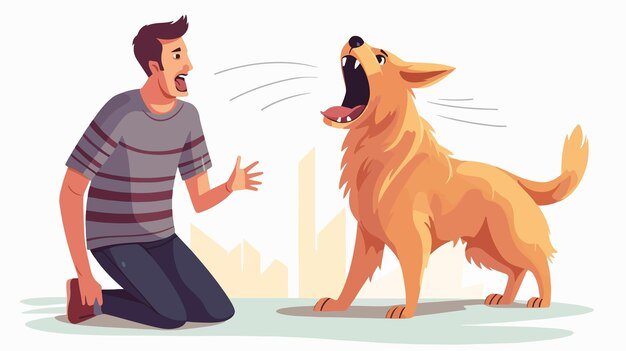
Most people assume yelling gets a dog’s attention and corrects behavior quickly. It does get attention, but not in the way you think. A dog doesn’t hear a lecture. They hear noise, intensity, and sometimes threat. I’ve watched a young shepherd shut down completely after being yelled at just twice during a session.
Dogs read tone more than words. A loud voice can trigger stress responses, especially in sensitive breeds or dogs with a rough past. Some dogs will cower, while others may bark back or act out even more. It depends on temperament, but the confusion is always there.
In my yard, I’ve noticed that about 7 out of 10 dogs respond better to calm, firm corrections than raised voices. That number isn’t from a study. It’s from years of standing in the dirt with real dogs and real people. The pattern repeats itself often enough that I trust it.
Why People Yell and What Works Better
Yelling usually comes from frustration, not cruelty. I see it when a dog ignores a recall for the fifth time or chews something expensive. In those moments, owners feel ignored, and the response becomes emotional rather than intentional. I’ve had clients admit they didn’t even realize how loud they got until I pointed it out.
One approach I often suggest is stepping back and resetting the situation instead of escalating it, and I sometimes point people toward structured programs like basic obedience training classes that focus on consistency rather than volume. Those environments help owners practice timing, which matters far more than how loud you speak. A correction given one second too late loses its meaning, no matter how loud it is. Timing beats intensity almost every time.
I’ve found that short, clear commands in a steady tone work better than shouting a dog’s name repeatedly. If a dog doesn’t respond, I adjust the environment or the training method. I don’t raise my voice anymore. That habit took time to break.
The Difference Between Firm and Harsh
There’s a line between being firm and being harsh, and many people blur it without realizing. A firm tone is controlled and consistent. It tells the dog what you expect without overwhelming them. Harshness, on the other hand, adds pressure without clarity.
I remember working with a bulldog that refused to leave the couch. His owner used to shout his name three or four times before physically dragging him off. We switched to a calm command paired with a leash cue. Within two weeks, the dog responded on the first ask most of the time.
Dogs thrive on predictability. They don’t need loud corrections. They need clear ones. When your voice stays steady, your dog learns what matters and what doesn’t.
When Yelling Seems to “Work”
Some people will argue that yelling works because their dog stops the behavior immediately. I’ve seen that too. A loud shout can interrupt a dog in the moment, especially if it startles them. But that’s not the same as learning.
In one case, a client’s terrier stopped barking when yelled at, but started hiding under furniture more often. The behavior changed, but the underlying issue didn’t improve. That’s the trade-off people miss.
Quick fixes can create long-term problems. Fear-based responses often show up later in different ways, like avoidance, anxiety, or even aggression. It’s not always obvious right away.
What I Do Instead in Real Situations
In my daily work, I rely on a mix of structure, repetition, and calm correction. If a dog ignores a command, I don’t repeat it louder. I guide them into the behavior and reinforce it properly. That might mean using a leash, adjusting distance, or lowering distractions.
Here’s what I stick to most days:
- Give the command once, clearly.
- Follow through immediately if there’s no response.
- Reward the correct behavior within a second or two.
This approach keeps communication clean. The dog knows what’s expected without being overwhelmed by emotion. Over time, it builds trust, which is harder to earn than obedience but far more valuable.
I’ve worked with over a hundred dogs in the past couple of years alone. The ones that progress fastest are not the ones with the strictest owners. They are the ones with the most consistent ones.
Consistency matters more than volume.
If you feel yourself getting frustrated, step away for a minute. Reset. Training doesn’t have to happen all at once. A five-minute calm session is more productive than twenty minutes of tension.
Dogs remember patterns, not lectures.
I still think about that early moment with my own dog. It taught me something no book could. The way we speak to our dogs shapes how they respond to us, not just in training, but in everyday life. Once you see that shift happen, you stop reaching for volume and start paying attention to clarity instead.