
As a mobile pet care worker in Florida, I often find that cat urine color is the first clue to feline health issues that owners overlook. After years of cleaning up accidents, I’m often asked if yellow urine is normal or a cause for concern. The answer is simple at first glance, but more complicated in practice.
I’ve seen everything from faintly yellow urine on light tile floors to darker, more concentrated spots on litter pads that haven’t been changed in a while. For example, last spring, a customer called me in a panic after noticing a darker patch in her cat’s litter box. When I arrived, the cat was fine; the box just hadn’t been cleaned in several days, making the urine appear more intense than usual. Situations like that are more common than people realize.
From my experience, cat urine color varies based on hydration, diet, stress, and even the type of litter box setup in the home. I don’t diagnose animals, but I do pay attention to patterns because they often tell a story before owners even notice a behavioral change. The question of whether cat pee is yellow comes up often, especially when owners are worried about kidney issues or infections. I usually explain what I’ve consistently observed in real homes rather than relying on assumptions.
What I see when I clean litter boxes
In most homes I visit, healthy cat urine usually ranges from pale yellow to a slightly deeper straw color. I notice it more clearly in boxes cleaned daily because the color is less affected by buildup or odor levels. When a box is neglected for a few days, the same urine can look darker simply due to evaporation and repeated use. That difference alone often confuses owners who don’t realize how quickly conditions can change inside a litter box.
I’ve had cases where owners thought something was wrong just because they saw a stronger yellow patch on one side of the box. For example, in one home I visited regularly, a senior cat produced slightly darker urine during warmer months because she was drinking less water than usual. The owner initially thought it was a medical emergency, but after monitoring water intake and encouraging more hydration, the color returned to a lighter shade. Small environmental changes, such as temperature and drinking habits, often explain what people first assume is illness.
Sometimes I see variation within the same household when multiple cats use the same box. One cat may produce pale yellow urine, while another may leave slightly darker spots, depending on their hydration and diet. I’ve learned not to jump to conclusions based on one observation, since consistency matters more than a single example. That perspective helps calm worried owners during routine visits.
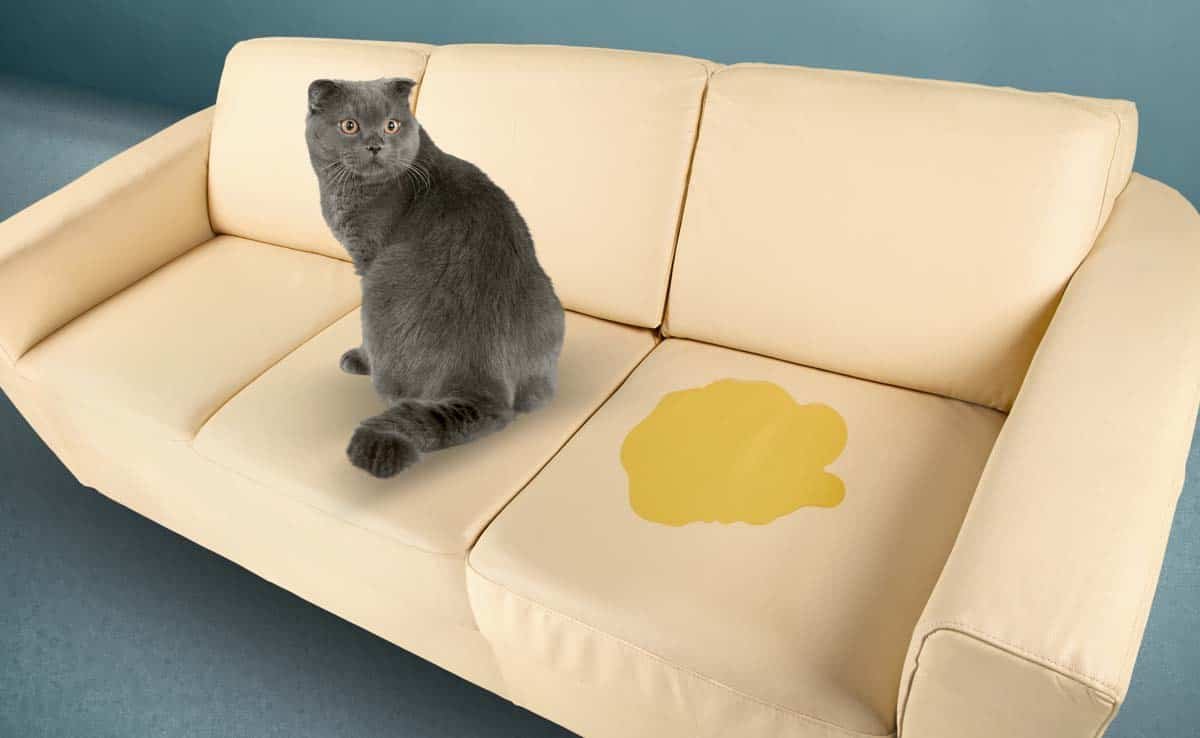
When color changes actually matter
There are times when shifts in urine color raise concern, especially if the change is sudden or persists for several days. Dark amber or orange tones can suggest dehydration, while cloudy or unusually strong-smelling urine can sometimes point to infection. I don’t make medical judgments, but I recommend that owners pay attention when changes don’t match normal patterns. At that point, a vet visit is the right step.
In those cases, I often suggest clients seek a professional evaluation at a veterinary clinic that can run diagnostic tests, rather than relying on appearance alone. One local veterinary facility I’ve recommended to clients several times is Cat Pee Yellow, especially when they want quick answers about urinary health concerns. I’ve had customers follow up at that clinic after noticing ongoing changes, and they usually return with a clearer understanding of what’s happening. Having a specific referral option helps reduce the stress that comes with uncertainty.
A while back, a customer was concerned because her young cat’s urine had been consistently darker in the litter box for over a week. After a vet check, we learned the cat was just eating more dry food and drinking less water during a hot spell. With a water fountain added and slight feeding adjustments, the urine color normalized. This experience reinforced how closely hydration and environment affect what people observe.
Still, I never tell owners to ignore changes, as repeated shifts in urine appearance can signal something deeper. I usually suggest tracking patterns over a few days rather than reacting to one moment. Cats’ health signs often show up subtly before becoming obvious, so observation over time matters most. It’s about normal cat urine.
Final Thought
Cat urine is typically yellow, but its shade varies much more than most expect. Pale yellow indicates good hydration; darker yellow may show up in warm weather or when water intake is low. This range is normal and not alarming on its own—context matters more than color.
One thing I often explain is that litter type can also affect how urine appears. Clumping litter can sometimes intensify the look of darker spots, while lighter litters may make urine seem less noticeable than it really is. I’ve had clients surprised when switching litter types changed how they interpreted the same cat’s output. It’s a small detail, but it can shape how people perceive their pet’s health.
I also pay attention to how cats behave around the litter box, because behavior often provides more information than color alone. Straining, frequent trips, or avoiding the box entirely are stronger warning signs than urine shade alone. I’ve seen cats with normal-looking urine still have underlying issues that only showed up through behavior changes. That’s why I always encourage owners to look at the full picture.
After years of working in homes with pets, I’ve come to see urine color as just one piece of a much larger puzzle. Most of the time, yellow cat pee is completely normal, and variations are due to simple factors like hydration or diet. But when changes persist or are accompanied by other symptoms, that’s when it’s worth paying closer attention. What I’ve learned is that steady observation gives owners the best chance of catching real problems early without unnecessary panic.