
I work as a mobile cat groomer in Florida, and I spend most of my days handling cats that are stressed, shy, or completely uninterested in human contact. Over the years, I’ve used a lot of tricks to calm them down during grooming sessions, and Churu treats come up more often than anything else.
People ask me regularly if it is actually good for cats or just another trendy treat. I’ve seen it used in real homes, vet waiting rooms, and during grooming appointments, so my answer comes from hands-on experience rather than theory.
How Churu fits into real cat behavior
Most cats I deal with do not respond well to change, especially when they are placed on a grooming table or introduced to unfamiliar handling. Churu works in those moments because it is soft, high-smelling, and easy for them to lick without feeling pressured. I’ve seen cats that refuse dry treats suddenly relax just because they recognize the smell. It is not magic, but it does interrupt their stress response in a practical way.
A customer last spring brought in a rescue cat that had not been handled properly before adoption, and even basic brushing was initially impossible. I used a small amount of Churu on a spoon and let the cat lick while I slowly introduced the brush nearby. Within a few minutes, the cat stayed still long enough for me to clean the small mats around the neck. That moment told me more about its usefulness than any label ever could.
I watch how quickly cats eat and whether they enjoy treats calmly. Churu is usually eaten slowly, letting me work within the cat’s comfort zone. Some cats fixate on it, so owners should watch for that. Balance is more important than hype.
What I’ve learned from using it regularly
Most people assume treats are either good or bad, but with cats, it rarely works that way. Churu sits in a middle space that can be helpful for bonding, training, or stress reduction, but its effectiveness still depends on how often it is used. I’ve had owners rely on it too much, leading cats to expect it constantly and to ignore regular food. That is where problems usually start, not from the treat itself.
I sometimes recommend it during grooming sessions when a cat is too alert or defensive, because it gives me a short window to work safely. I also keep track of how different cats react over multiple visits rather than judging from a single session. Some remain calm every time, while others lose interest quickly and prefer other forms of reassurance, like slow petting or quiet space. It varies more than people expect.
One grooming client keeps a small supply of Churu packets at home and uses them during nail trims, which used to be a stressful routine for both the cat and owner. She told me she now associates the treat with calm handling rather than panic, which has changed their entire process. In situations like that, timing and consistency matter more than the product itself. It is a tool, not a solution in itself.
I once checked a local pet resource center while advising a group of new cat owners, and I noticed how often questions about treats come up during basic care discussions. In that setting, I pointed them toward is churu good for cats because many people needed a simple breakdown of feeding habits and treat usage patterns. The discussion shifted quickly toward moderation rather than elimination, which is usually the most realistic approach. People often assume they must choose between “safe” and “unsafe,” rather than learning how to use things correctly.
When Churu helps and when it creates issues
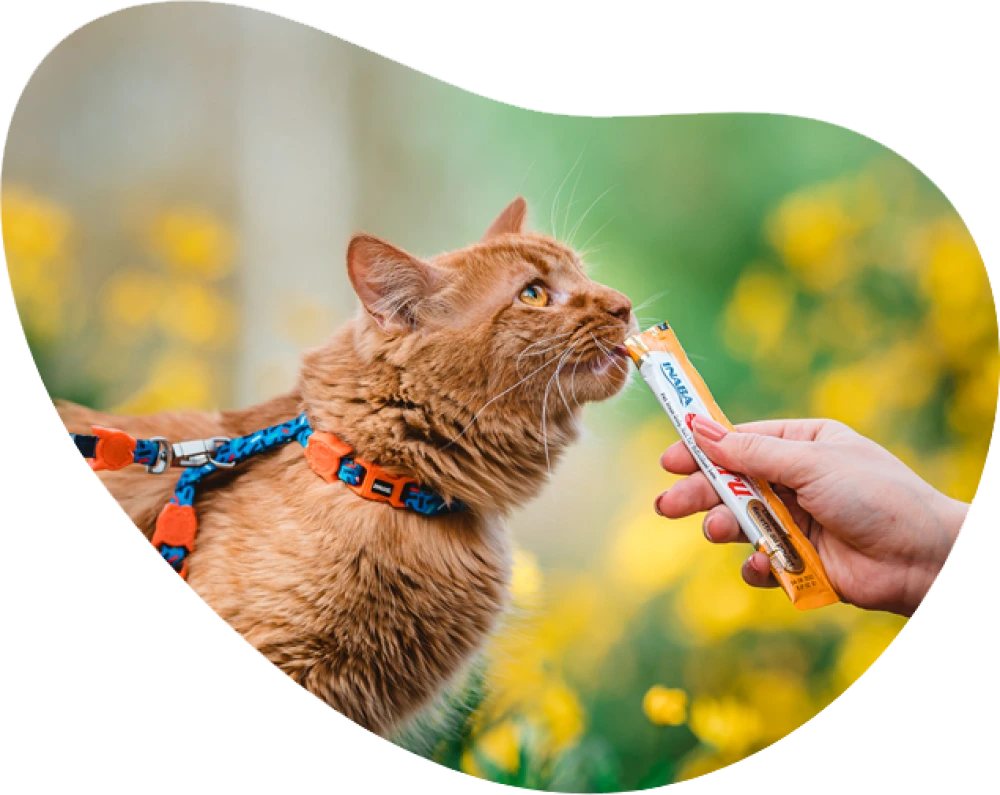
Churu is helpful in short, controlled situations where the goal is cooperation rather than nutrition. I use it during grooming to redirect attention, especially with cats that dislike being touched on sensitive areas like paws or stomach. It gives me a small window in which the cat is focused on something positive rather than resisting handling. That window is often only a few seconds, but it is enough.
There are also cases where it becomes less helpful. I’ve seen overweight indoor cats that were getting Churu multiple times a day as a habit rather than a training tool. In those cases, the treatment shifts from occasional support to daily expectation, and the cat starts refusing regular meals or begging constantly. That kind of behavior usually needs adjustment rather than encouragement.
- Use it for short handling moments.
- Avoid replacing full meals with it.
- Watch for weight changes over time.
- Notice if your cat ignores regular food.
Not every cat shows interest in Churu, and that’s normal. It usually means they have other preferences. I never force it—cats respond to comfort and timing, not pressure.
How I actually use it in grooming sessions
In my grooming routine, I treat Churu as a temporary focus tool rather than a reward system. I usually start with a small amount on a spoon or finger, depending on how comfortable the cat is with touch. While they lick, I begin slow grooming steps, like checking their ears or brushing out light tangles. The key is never rushing the moment.
Some cats take only a few licks before becoming alert again. I adjust rather than push. Pushing leads to stress and harder future visits. A calm five minutes is better than a forced fifteen. Cats remember the experience, not just the outcome.
One cat I groomed was originally unapproachable, hiding each time I arrived. With short, consistent sessions and Churu as a controlled reward, the cat began to see my visits as predictable instead of threatening. By the fifth visit, I could complete a full groom with breaks. Progress takes time, but it’s real.
Even now, I remind owners that treatments like this are only one part of a larger pattern of care. They help create small bridges of trust, but they do not replace routine, patience, or understanding of a cat’s behavior. I’ve seen both good and bad outcomes depending on how people use them. The difference usually comes down to consistency and restraint, not the product itself.