
I run a small mobile dog-grooming van along the Gulf Coast, and over the years, I have heard every home remedy imaginable from dog owners. Apple cider vinegar comes up constantly. Some people swear by it for itchy skin, bad smells, and flea problems, while others say it upset their dog’s stomach after one try. I have used it carefully on a few dogs with decent results, but I have also seen situations where it clearly made things worse.
Why Dog Owners Keep Reaching for Apple Cider Vinegar
Most of the interest in apple cider vinegar stemmed from people wanting a cheaper, simpler option than medicated sprays or specialty shampoos. I understand that mindset. A gallon of medicated shampoo can cost a surprising amount, especially for owners of large dogs who need monthly baths. Apple cider vinegar feels approachable because people already keep it in their kitchens.
In my experience, the biggest reason owners try it is odor control. Dogs that swim often or spend time outside in humid weather can quickly develop a damp smell. I have mixed a small amount of diluted apple cider vinegar into rinse water for a few dogs over the years, especially retrievers and hounds with oily coats. Sometimes it helped cut the smell for a few extra days.
There is another reason people keep using it. Some dogs scratch less afterward. I noticed this mostly with mild skin irritation, not severe infections or hot spots. One older bulldog I groomed last summer stopped chewing at his paws for nearly a week after his owner started using a diluted rinse, though the effect did not last permanently.
I stay careful with it because vinegar is still acidic. Dogs with raw skin, open sores, or sensitive bellies can react badly. I once saw a terrier mix yelp the second a homemade vinegar spray touched a scratched area near his collar. That owner felt terrible afterward because online advice made it sound harmless for every dog.
What I Have Seen Work and What Usually Fails
The dogs that responded best to apple cider vinegar usually had mild issues, not major medical problems. Light odor, flaky skin, and occasional itchiness were the situations where I saw the most benefit. Once skin gets red, crusty, or starts smelling sour, I stop thinking about home remedies and tell owners to call their veterinarian. That line matters.
One grooming supplier I occasionally order from carries natural coat products alongside tools and shampoos, and I first found their apple cider vinegar products for dogs while comparing different rinse options for sensitive skin. I tested a diluted version on my own spaniel before using anything similar on client dogs. Her coat felt cleaner afterward, though I still preferred regular oatmeal shampoo for long-term use.
Flea control is where expectations often get unrealistic. I hear people say vinegar will completely stop fleas from biting dogs. I have never seen that happen. At best, it may make the coat slightly less appealing to pests for a short time, but a heavy flea problem needs proper treatment and environmental cleanup.
Dogs hate strong smells sometimes. That alone can become a problem. A nervous shepherd I worked with last fall kept rubbing himself against furniture after an owner sprayed undiluted vinegar on his coat, probably trying to get rid of the smell. The dog ended up irritated and sticky, which defeated the whole purpose.
The way people apply it matters too. I usually hear about two methods. Some owners mix one part vinegar with several parts water for a light coat rinse, while others add tiny amounts to food or water bowls. I rarely recommend the food route because sensitive stomachs react unpredictably, especially in smaller dogs under 20 pounds.
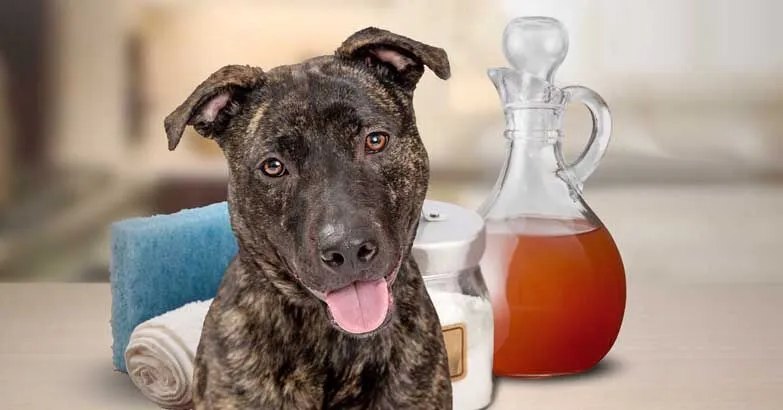
Skin, Ears, and the Places People Make Mistakes
Ear cleaning is where I see the most risky advice online. Dog ears are delicate, especially floppy ears that already trap moisture. Pouring vinegar mixtures directly into irritated ears can create a miserable situation fast. A customer last spring tried that on her cocker spaniel after reading a forum post, and the dog ended up needing prescription drops because the skin inside became inflamed.
I keep things simple around the ears. If a dog’s ears smell bad or look red, I recommend a vet visit before experimenting. Healthy ears should not smell like yeast or rotten bread. That smell means something deeper is usually going on.
Skin folds can also react poorly. Bulldogs, pugs, and shar-peis already deal with trapped moisture around wrinkles, and vinegar sometimes stings those areas badly. I learned that lesson early while grooming an older bulldog with deep facial folds. He tolerated the bath fine until the diluted rinse touched irritated skin under his chin.
Dry skin is different. Mild dryness sometimes improves with careful dilution and infrequent use. I stress the word infrequent because overdoing it strips oils from the coat. One owner started rinsing her lab mix with vinegar three times a week, only to end up with dull, straw-like fur.
How I Personally Use It Around Dogs
I keep a bottle in my grooming van, but I use it sparingly. Most weeks, it never leaves the cabinet. People assume groomers constantly rely on natural tricks, yet I usually prefer gentle commercial products with predictable ingredients and clear instructions.
When I do use apple cider vinegar, I dilute it heavily. My usual mix is around one tablespoon in a large spray bottle of water, mostly for deodorizing between baths. Even then, I avoid the face, ears, eyes, and any broken skin. Short sessions work better.
My own dog tolerated it reasonably well after muddy beach trips, especially during humid stretches where her coat held moisture for hours. I noticed less lingering odor for a day or two afterward. That said, plain warm water and a proper drying routine probably mattered just as much.
Some owners expect dramatic transformations after one use. That almost never happens. Apple cider vinegar is closer to a minor grooming tool than a miracle cure. The internet tends to blur that distinction because dramatic stories spread faster than boring outcomes.
I still think common sense matters more than trends. If a dog seems uncomfortable, smells unusually bad, scratches nonstop, or develops red patches, I would rather spend money on a proper diagnosis than keep trying kitchen remedies. Apple cider vinegar has its place in light grooming care for some dogs, but I have never seen it replace solid veterinary treatment or a good long-term hygiene routine.