
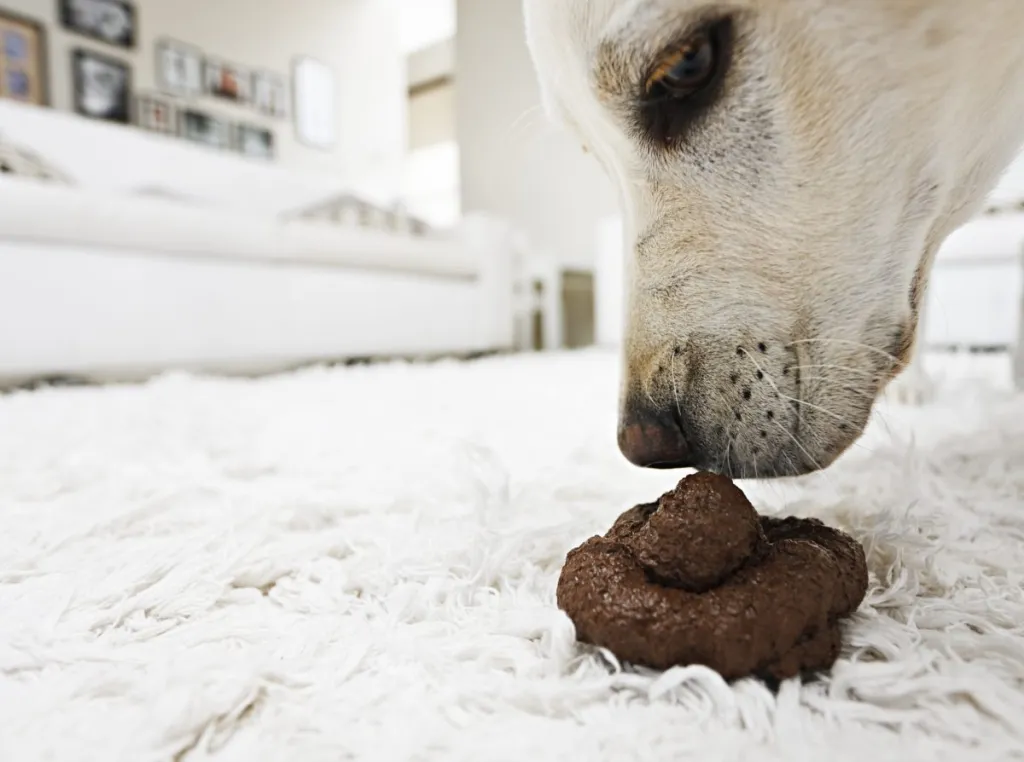
I run a small dog daycare and boarding setup just outside a busy market road, and over the years, I have dealt with more poop-eating dogs than I can count. It is one of those behaviors that shocks owners at first, then slowly turns into frustration. I have had dogs that only did it occasionally and others that would go straight for it every single time. The good news is that I have seen this habit stop in most cases with the right approach and a bit of patience. It is not quick, but it is very possible.
Why Dogs Even Start Eating Poop
The first thing I learned early on is that this behavior, called coprophagia, does not always mean something is wrong with the dog. Some puppies do it out of curiosity. They explore everything with their mouths, and poop just happens to be part of their environment. I have seen pups grow out of it in a few months without any serious intervention.
In older dogs, it can come from boredom or stress. A dog that spends ten hours alone in a small yard will start inventing ways to pass the time. I remember a boarding dog last winter who started eating poop after just two days of reduced playtime. Once I adjusted his routine and added two extra walks, the behavior faded within a week.
Diet can also play a role. Some dogs do not fully digest their food, so their stool still smells like food. It sounds unpleasant, but I have noticed it especially in dogs fed low-quality kibble or those who undergo sudden diet changes. The body just does not process everything cleanly.
Cleaning Habits and Environment Fixes
The fastest improvement I have ever seen came from something simple: removing access. If the poop is not there, the habit cannot continue. I tell every owner to pick up waste immediately for at least two weeks. It sounds basic, but most people delay cleanup, which gives the dog a chance to act.
I once pointed a client toward a helpful online resource for pet hygiene routines that walked through daily cleanup schedules and yard management tips, and they said it made sticking to a routine much easier. The key is consistency. Missing even a day can reset progress for some dogs.
Supervision matters more than people think. For about 10 days, I recommend taking the dog outside for bathroom breaks. The moment they finish, I call them over and reward them before they even think about turning back. Timing is everything here.
Short leash control can help in stubborn cases. I have used a 6-foot leash in the yard just to guide dogs away from their stool right after they go. It feels a bit strict at first, but it creates a clean break in the habit.
Training Them to Choose Something Better
Once the environment is under control, I shift focus to training. Dogs repeat what works. If eating poop gives them stimulation, you need to offer something better in that exact moment. I usually keep small treats ready during bathroom breaks.
As soon as the dog finishes, I call their name and reward them for coming to me. I keep it quick. No long speeches. Just a clear signal that coming away from the spot leads to something positive.
In more stubborn cases, I use a simple command like “leave it.” I start indoors with food on the floor, then slowly move the training outside. It takes about a week of daily practice for most dogs to understand. Some take longer, especially if the habit is deeply set.
Here is one pattern that has worked well for me:
Call the dog immediately after they go, reward them within two seconds, then guide them away from the area. Repeat this every single time for at least 14 days.
Food Adjustments That Actually Made a Difference
I used to ignore the diet side of things until I noticed a pattern across several dogs. Those on cheaper food were more likely to eat stool. Once I switched a few boarding dogs to higher-quality food with a higher protein content, their behavior improved noticeably.
Digestive supplements can help in some cases. I have tried adding a small amount of plain yogurt or a vet-approved enzyme supplement for dogs that seemed to struggle with digestion. Results were not instant, but after about two weeks, there was less interest in stool.
There are also products that make poop taste unpleasant to dogs. I have tested a couple over the years. Some worked, some did nothing. It depends on the dog. I treat these as a backup, not the main solution.
Water intake matters too. A dog that drinks enough water usually has firmer stool, which seems to reduce the attraction. I keep fresh water available at all times and check bowls twice a day during boarding.
When the Habit Keeps Coming Back
Some dogs relapse. That is normal. I have seen dogs stop for a month, then suddenly try it again. Usually, there is a trigger, such as stress, a change in routine, or less supervision. The fix is to go back to basics right away.
Consistency beats intensity here. A client once tried to correct the behavior with loud scolding, but it only made the dog more secretive. Instead of stopping, the dog started hiding to eat poop. That made things worse.
If the habit is extreme or accompanied by other issues such as weight loss or low energy, I suggest a vet check. In rare cases, underlying health problems may be present. I have only seen this a couple of times, but it is worth ruling out.
Some dogs just need more time. One older Labrador I worked with took nearly six weeks to fully stop. Progress was slow, but steady. We kept the routine tight and did not rush it.
Breaking this habit is not about one trick. It is a mix of timing, routine, and paying attention to what your dog is actually getting out of the behavior. Once you replace that payoff with something better, most dogs move on. I have seen it happen enough times to trust the process.