
I run a mobile dog grooming van and see anxious owners and curious dogs daily. I often hear debates about feeding dogs table scraps, especially avocados. Some people think they’re harmless, others believe they’re dangerous. My experience shows the reality is balanced: avocados aren’t always toxic, but they do carry risks worth considering.
What’s Actually Inside an Avocado That Affects Dogs
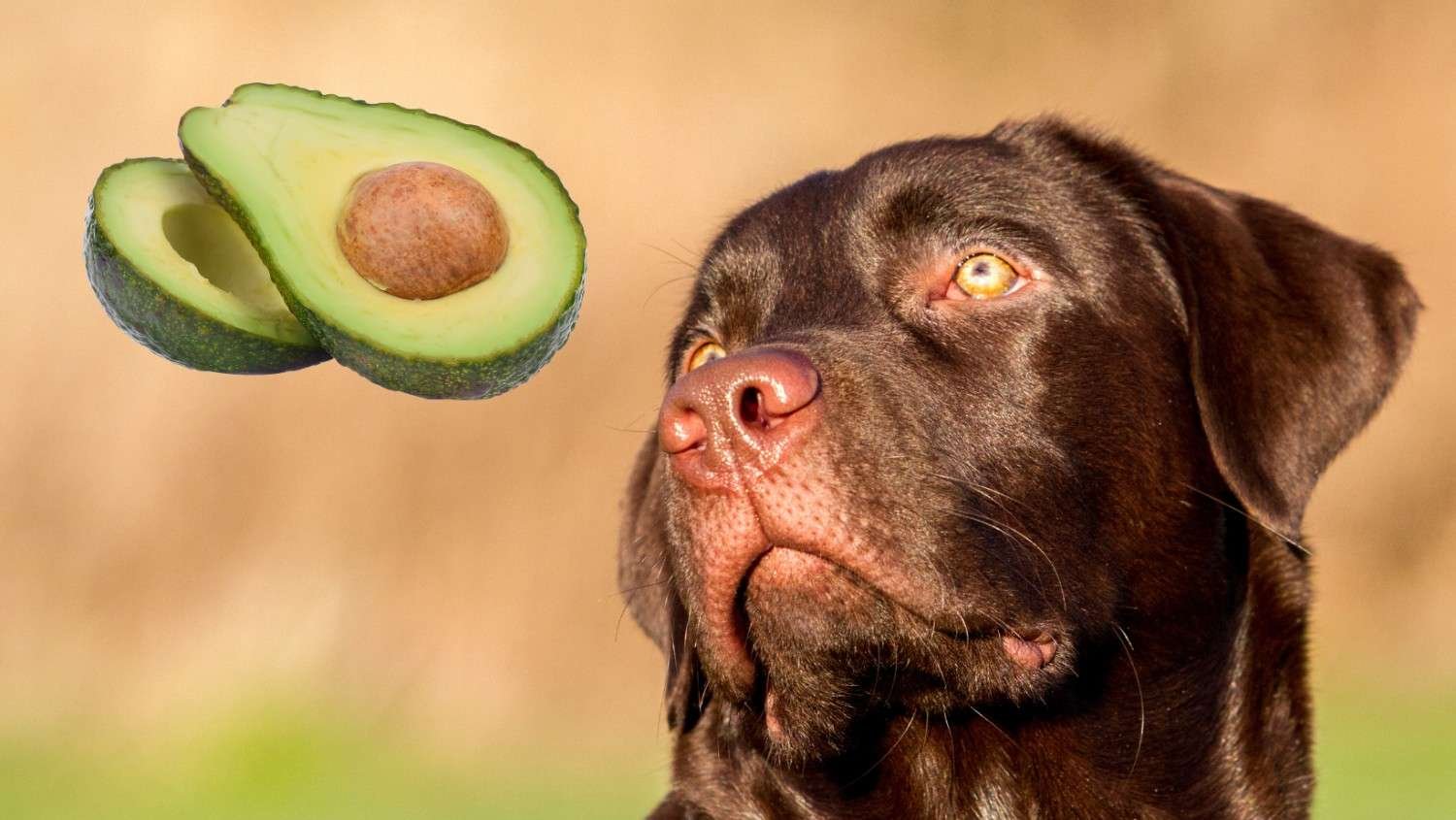
Most of the concern around avocados comes from a compound called persin. It is found in the fruit, but it is much more concentrated in the skin, pit, and leaves. For dogs, the key risks are persin toxicity, which can upset their system, and sluggishness after eating avocado. Dogs do not usually have severe reactions like birds or livestock, but digestive upset and lethargy can occur after ingestion.
The flesh is the part people usually think about feeding, and in small amounts, it tends to be less risky. Still, it is high in fat, and dogs are not great at handling sudden fat intake. That can lead to stomach trouble or, in worse cases, pancreatitis. One spoonful might not matter. Half an avocado can.
The pit is a problem altogether different. It is not just about toxicity. It is a choking hazard, and I have heard enough emergency stories to take that seriously. Dogs do not chew as we do, and a slippery, round pit can go down fast, causing a blockage.
What I’ve Seen in Real Dogs After Eating Avocado
A customer called me last spring in a panic because her Labrador had eaten a chunk of avocado left on the counter. The dog seemed fine at first, but within a few hours, he started vomiting and refused his usual meal. It passed after a day, but it shook her enough to rethink what she leaves out. Incidents like that are not rare.
In another case, a small mixed breed came into my van with clear signs of stomach upset, and the owner mentioned giving him an avocado as a treat for about a week. That steady intake of fatty food added up, and the dog paid for it with diarrhea and discomfort. If you ever feel unsure about a situation like that, I have pointed people toward resources like the Pet Poison Helpline, which can give quick advice without the guesswork.
Some dogs show no reaction, which can make this tricky. One dog may tolerate avocado, while another in the same household gets sick.
Why Small Amounts Still Deserve Caution
People often assume that if something is natural, it must be safe. I get that logic, but dogs are not just smaller versions of us. Their digestion differs, and their tolerance to certain compounds is lower. Even a few bites of rich food can throw them off.
There is also the habit factor. Giving a dog a taste once can turn into a routine without much thought. I have watched owners build up a pattern of sharing human food, and over time, it creates more problems than they expect. Weight gain creeps in. Digestive issues follow.
Dogs remember everything related to food. Once they get a taste, they start begging harder. That leads to greater exposure, greater risk, and greater stress for both sides.
Better Treat Options I Usually Recommend
When people ask me what they should give instead, I keep it simple and practical. Dogs do not need fancy foods to feel rewarded; there are safer options that carry fewer risks. I often suggest things that are easy to portion and low in fat.
Good treats include small pieces of plain cooked chicken, carrot sticks, apple chunks (no seeds), or simple dog treats.
These choices are easier on the stomach and do not create the same uncertainty as avocado. I have seen dogs stay more consistent in their energy and digestion when owners stick to basics like these.
My Personal Rule After Years Around Dogs
I do not treat avocado as outright poison for dogs, but I also do not treat it as safe. That middle ground matters. If a dog accidentally eats a small amount of the flesh, I do not panic right away, but I keep an eye on them for changes over the next 24 hours. Behavior tells you a lot.
If the pit or skin is involved, that is a different story. This adds the risk of choking, blockage, and exposure to concentrated persin. This adds the risk of choking, blockage, and exposure to concentrated persin. These are not things I would gamble on. It is better to be cautious early than regret it later.
Over time, I have leaned toward a simple approach. If there is any doubt, I keep it out of the dog’s bowl. There are too many safe foods available to take chances on something that can go either way.
I still hear the avocado debate weekly, usually while drying dogs ready to eat anything dropped. My advice remains clear: occasional avocado might not cause issues, but it’s not worth the risk. Dogs thrive on consistent, safe foods. In my experience, avoiding questionable choices keeps both dog and owner out of trouble.