
I run a small home-based dog boarding setup, and over the years, I’ve seen just about every kind of snack question come through my door. One that pops up more often than you’d expect is asparagus. It usually comes up after someone drops a piece on the kitchen floor and their dog grabs it before they can react. I’ve had to answer this in real time, standing in a client’s kitchen while their dog chews away. So I’ve formed a pretty grounded view on it.
What Happens When Dogs Eat Asparagus
In simple terms, asparagus is not toxic to dogs. I’ve had a few dogs in my care eat small pieces without any visible reaction, and they went right back to their normal routine. That said, the way asparagus is structured can make it a bit tricky, especially for dogs that don’t chew well. Those fibrous stalks can pass through the system almost unchanged if they’re not prepared properly.
Raw asparagus is the main issue I’ve seen. It’s tough, stringy, and honestly not that appealing to most dogs anyway. A Labrador I boarded last winter tried to gulp down a whole spear and ended up gagging for a few seconds before spitting part of it out. That moment alone is enough for me to be cautious about how it’s offered.
Cooked asparagus is a different story. Once it’s softened, it becomes much easier to chew and digest, especially if it’s cut into small pieces. Even then, I don’t treat it as a regular part of a dog’s diet. It falls into the occasional treat category, not a staple.
How I Prepare It for Dogs in My Care
I’ve learned to keep things simple when introducing a new food to a dog. If I ever give asparagus, I steam it plain with no oil, no salt, and definitely no garlic or onions. Those extras cause more problems than the vegetable itself. One resource I’ve seen mentioned in pet forums for diet comparisons is whether asparagus is ok for dogs to eat, though I still prefer relying on direct observation over online charts.
Portion size matters more than people think. For a medium-sized dog, I might offer two or three small pieces, each about the size of my thumbnail. That’s it. I watch how they respond over the next few hours, especially their stool and energy levels.
Texture is the biggest factor for me. If it’s still slightly firm, I won’t serve it. I want it soft enough that I can easily break it apart with my fingers. Dogs don’t chew as we do, and I’ve seen too many try to swallow things whole.
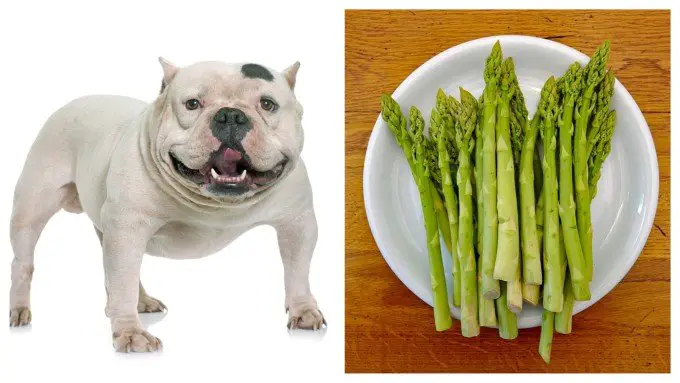
The Digestive Side Most People Miss
Some dogs handle vegetables well. Others don’t. I’ve noticed that asparagus can cause mild stomach upset in certain dogs, even in small amounts. It doesn’t happen every time, but I’ve seen loose stools the next morning more than once.
There’s also the smell factor. Anyone who has eaten asparagus knows what I mean. It affects dogs, too. I remember cleaning up after a beagle one morning and immediately recognizing that distinct odor. Not harmful, just unpleasant.
Fiber is part of the equation here. Asparagus contains a decent amount, and while fiber is useful, too much too quickly can throw off a dog’s digestion. I’ve found that dogs on already high-fiber diets tend to react more noticeably.
Dogs That Should Probably Skip It
Not every dog is a good candidate for trying asparagus. Puppies, for example, have more sensitive stomachs and are still adjusting to their regular food. I don’t experiment with extras at that stage. It’s just not worth the risk.
Senior dogs can be another concern. Their digestion slows, and anything fibrous can be harder to digest. I once had an older German Shepherd who struggled with even soft vegetables, and asparagus would have been too much for him.
Dogs with a history of gastrointestinal issues should avoid it entirely. If a dog has had pancreatitis, chronic diarrhea, or frequent vomiting, I stick strictly to their prescribed diet. No exceptions.
My General Rule for Vegetables Like This
I treat asparagus the same way I treat most “safe but unnecessary” foods. It’s fine in small amounts, prepared correctly, and given occasionally. But it doesn’t offer anything essential that dogs aren’t already getting from a balanced diet.
There are easier options. Carrots, for example, are something I use far more often because they’re safer raw and dogs tend to enjoy them more. Green beans also work well and don’t come with the same fibrous texture issues.
Simple is better. That’s been my experience.
After years of boarding dogs and watching how they react to different foods, I’ve learned that just because something is safe doesn’t mean it’s practical. Asparagus falls right into that category for me. If a dog grabs a piece off the floor, I don’t panic. But I don’t go out of my way to add it to their bowl either. There are better, easier choices that don’t require this much second-guessing.