
I run a small dog boarding setup out of my home, and every autumn I brace for the same issue. Horse chestnuts start dropping, dogs get curious, and owners don’t always realize what’s on the ground. I have seen a few close calls over the years, and none of them were pleasant. If you spend enough time around dogs outdoors, this topic stops being theoretical pretty quickly.
What Horse Chestnuts Actually Do to Dogs
Horse chestnuts are not the same as edible chestnuts, and that difference matters more than most people think. The ones that fall from those tall trees contain a compound called aesculin, which is toxic to dogs in varying degrees. I have watched a young spaniel chew on one for less than five minutes and end up drooling heavily within the hour. The reaction can range from mild stomach upset to more serious neurological signs.
Most dogs don’t eat large amounts because the taste is bitter, but curiosity gets them into trouble. Puppies are the usual suspects, though older dogs with a habit of picking things up are not far behind. I once had a Labrador in my care that swallowed part of a cracked chestnut, shell and all, which created both a toxicity concern and a choking risk. That combination is where things can escalate fast.
Symptoms can show up quickly. I have seen vomiting within 30 minutes, and in one case, mild tremors later that evening. It does not always look dramatic at first, which is why some owners wait longer than they should before reacting. That delay makes a difference.
Where I See Problems Happen Most Often
The biggest issues tend to happen in public parks and older neighborhoods where horse chestnut trees are common. I walk dogs in a park with at least eight of these trees lining one path, and every fall the ground is scattered with shiny brown seeds. It looks harmless. It isn’t.
I remember one client who let her dog off-leash during a quiet morning walk, thinking there was nothing risky around. Within ten minutes, the dog had picked up two chestnuts and cracked one open with its teeth. We ended up calling a vet right from the park, and I suggested she also review resources like Pet Poison Helpline while we figured out the next step. That situation could have gone worse if she had ignored it.
Backyards are another common spot. People plant these trees for shade or aesthetics, then forget that the seeds drop in clusters. Dogs treat them like toys. Small dogs are at higher risk of choking, especially if the shell is still intact.
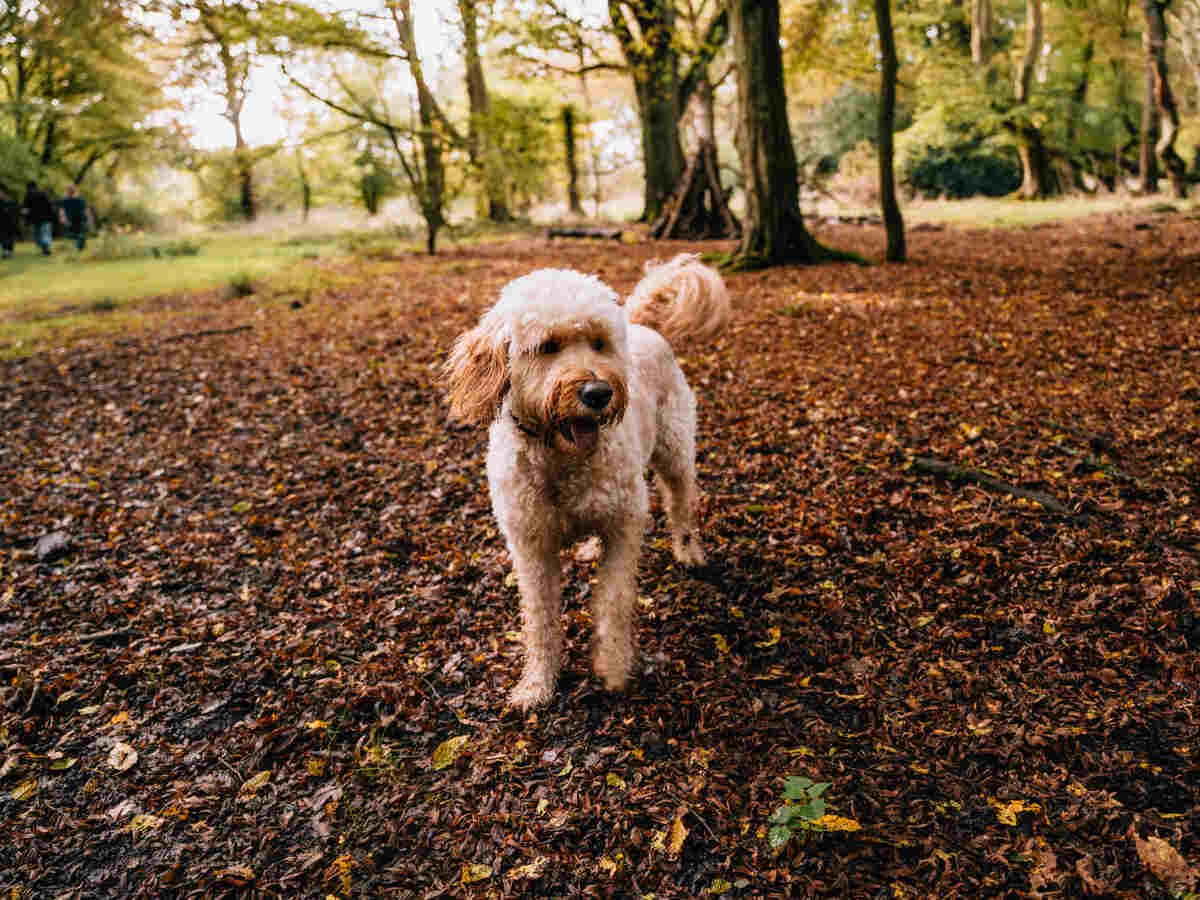
Signs I Watch for Immediately
After handling a few of these cases, I have a mental checklist that kicks in fast. The first thing I look for is drooling that seems excessive or sudden. That is often followed by vomiting or a clear drop in energy levels. Some dogs just lie down and refuse to move much.
There are more serious signs, too, though I have only seen them twice. Mild tremors, unsteady walking, and sensitivity to touch can show up if enough of the toxin is absorbed. Those are not wait-and-see moments. You act right away.
If I suspect ingestion, I don’t try to guess the dose or wait for symptoms to get worse. I call a vet. Always.
What I Actually Do in the Moment
I keep things simple because panic helps no one. First, I remove any remaining pieces from the dog’s mouth if it is safe to do so. Then I check the area to see how much might have been eaten, even if it is just a rough estimate. That information helps the vet make a call faster.
I do not try home remedies. No milk. No forced food. Those ideas float around, but they can complicate things. In one case, an owner tried to get their dog to eat bread after chewing a chestnut, and it just made the vomiting worse.
Transport matters too. If the dog is showing symptoms, I keep them calm and avoid unnecessary movement. Stress can amplify certain reactions, and a quiet ride makes a difference. Ten minutes can feel long.
How I Prevent It in the First Place
Prevention is boring, but it works. During the fall months, I avoid areas where I know horse chestnuts are scattered heavily, even if that means changing my usual walking route. It adds a few extra minutes, but it saves trouble later.
In my own yard, I do a quick sweep every couple of days when the trees are shedding their leaves. It takes about 12 minutes if I stay consistent, and it keeps the ground clear enough that dogs don’t find anything tempting. I also don’t leave dogs unattended outside during that season. That rule has saved me more than once.
Training helps, though it is not foolproof. I work on a strong “leave it” command with every dog I board, and most respond well. Still, instinct can override training at the right moment, especially when something new and interesting is on the ground.
Horse chestnuts are one of those things that look harmless until you have seen the other side of them. I have, and that has completely changed how I handle fall walks. A little awareness goes a long way, and once you know what to watch for, it becomes second nature to steer dogs away from them.