
Although pets provide us with unconditional love and happiness, they can also leave lingering smells that detract from a home’s freshness. Pet odor is a common and annoying problem for pet owners, whether it’s dog urine seeping into carpet fibers, cat litter odors lingering in corners, or pet dander stuck in hardwood floors. The good news is that you can eliminate pet odor rather than merely cover it up. This thorough guide explains how to use tried-and-true methods, natural remedies, and professional-grade techniques to eliminate pet odor from your home, carpets, and hardwood floors. “This article gives you exactly what you need, when you need it, because it is useful, easy to read, and optimized for search engines.”
Why Pet Odors Are So Difficult to Get Rid of
- It’s crucial to comprehend why pet odor persists before learning how to get rid of it.
- Pet saliva,
- dander,
- fur,
- urine accidents
- Pet skin oils are the leading cause of pet odors.
Understanding Pet Odors: Causes and Difficulties
Pet odors can come from a variety of sources, including saliva, urine, feces, dander, and natural body oils. These organic materials can become trapped in furniture, carpets, and textiles, creating lingering odors that are difficult to eliminate. Humidity, poor ventilation, and the types of surfaces in your home can worsen pet odors. For example, upholstered furniture and carpets are particularly likely to absorb and hold odors. The source and location of the odor will significantly impact your odor removal plan.
Carpet Cleaning Solutions for Pet Odors
Absorbents and Neutralizers
Absorbent materials are essential for neutralizing odors and absorbing liquid spills. You can use baking soda on furniture and carpets as a great natural odor neutralizer. “Use a dry carpet cleaner like Host Dry Carpet Cleaner, which is safe for a variety of rug types, including wool and oriental rugs, especially for newer carpets where baking soda is not advised.”
Specialized Equipment:
Use litter that contains activated charcoal or other odor-absorbing substances. We advise purchasing a high-quality vacuum cleaner with a washable filter, a carpet cleaner or steam cleaner for thorough cleaning, an air purifier with a HEPA filter to eliminate airborne pollutants, and charcoal bags for passive odor absorption.
Effective Methods for Eliminating Pet Odors from Carpets
When an accident occurs, it’s critical to take prompt action and employ the proper methods to eliminate pet odors from carpets effectively.
Natural Techniques Using Common Household Items
Several everyday household items can effectively remove pet odors from carpets, especially for those who prefer natural solutions.
- Apply a generous amount of baking soda to the affected area, leave it overnight, and then vacuum thoroughly.
- Vinegar solution:In a spray bottle, combine equal parts water and white vinegar. Use a fresh cloth to blot the stained area after applying it, then allow it to dry.
- Dish soap and hydrogen peroxide:For stubborn stains, combine one teaspoon of concentrated dish soap with one cup of hydrogen peroxide. After applying the stain and letting it sit for 15 minutes, blot it clean. Because hydrogen peroxide can bleach materials, test this solution on a small, inconspicuous area of your carpet first.
Removing Pet Odors from Furniture and Upholstery
Removing pet owners from furniture and upholstery can be particularly difficult. Here are some practical methods for revitalizing your soft furnishings:
- Vacuum everything thoroughly, including under cushions and in nooks and crannies.
- Cover the surface with a generous amount of baking soda, leave it for a few hours or overnight, and then vacuum.
- Use a fabric freshener spray made specifically for pet odors. Follow the manufacturer’s instructions when washing washable items, such as blankets and throw pillows.
- To eliminate odors from leather furniture without harming the material, use a leather cleaner and conditioner.
- If the fabric permits it and there are no urine stains, think about steam cleaning upholstered furniture.
Professional cleaning might be the best choice in extreme situations or for expensive furniture. To ensure a cleaning product won’t harm or discolor the fabric, always test it on a small, inconspicuous area first.
Choosing the Correct Litter and Box:
Choosing the right litter and litter box is the first step in controlling odors. Clumping litter makes it easier to remove waste entirely.
- Use litter that contains activated charcoal or other odor-absorbing substances.
- Select a litter box size suitable for your cat; in general, larger boxes are better at controlling odors.
- For households with multiple cats, adhere to the rule that each cat should have one litter box plus an additional one. Although they are much more expensive than conventional litter boxes ($600 or more, compared to about $50–$100 for a traditional litter box), automatic litter boxes can further reduce odors.
Maintenance Advice for Odor Control:
- Scooping the litter box at least once a day, more frequently if there are several cats, is essential to preventing litter box odors.
- Every week, empty the litter box completely and clean it with water and mild soap.
- Every six to twelve months, replace the entire litter box because plastic can break easily.
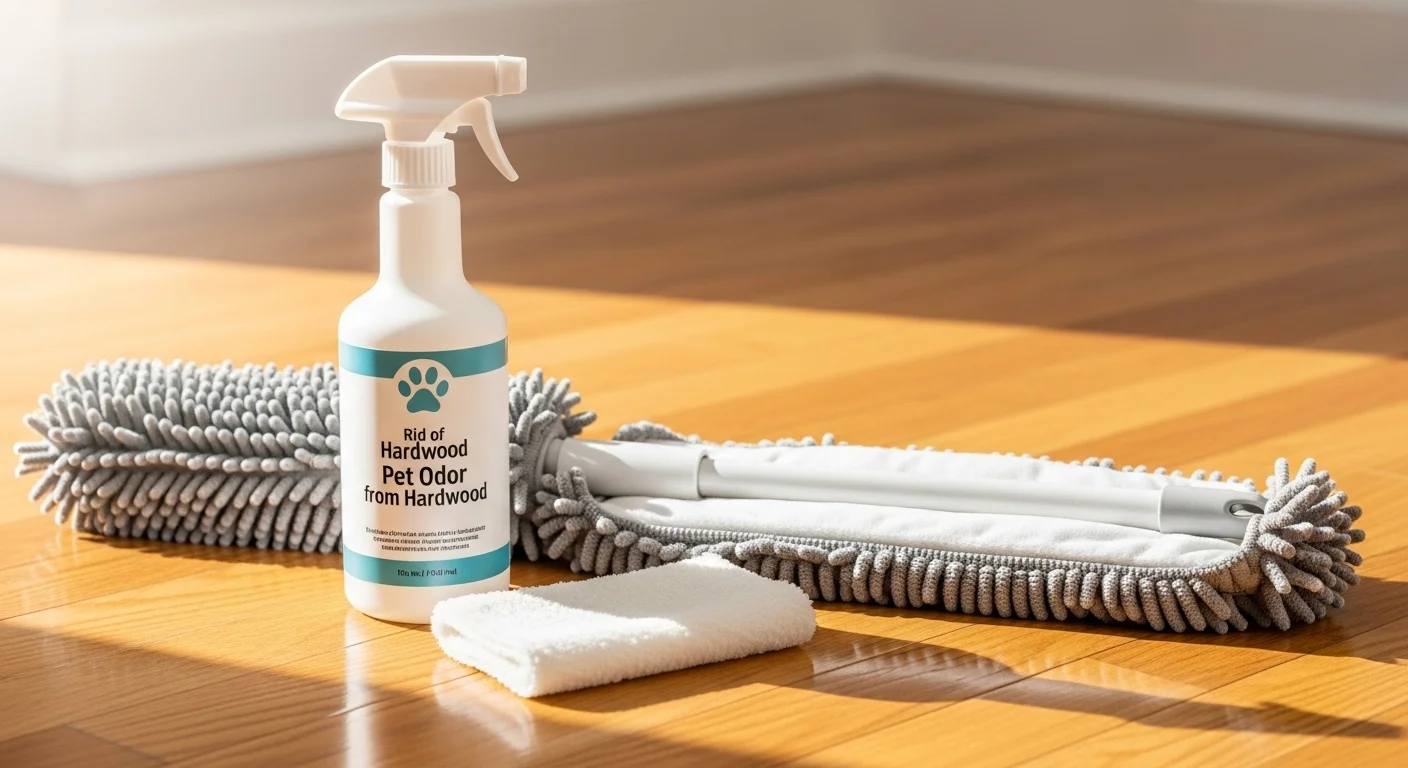
How to Remove Pet Odor from Hardwood Floors
Hardwood floors require careful maintenance, as liquids can seep beneath their surface.
- Step 1:Immediate Surface Cleaning. Use a microfiber cloth to absorb moisture promptly and prevent damage.
- Step 2:Vinegar Solution for Sealed Floors. For sealed hardwood, mix 1 cup of vinegar with 1 gallon of warm water. Mop the floor lightly (avoid oversaturation) and dry it right away. This method helps neutralize odors without harming the finish.
- Step 3:Hydrogen Peroxide for Urine Stains. For persistent urine smells, dampen a cloth with 3% hydrogen peroxide and place it over the stained area. Cover it with plastic wrap and let it sit for several hours. Afterward, wipe the area clean and dry it. Remember to test a small area first, as peroxide may lighten the wood’s color.
- Step 4:Baking Soda Paste for Seams. Since urine can seep into the gaps between planks, mix baking soda with water to create a paste. Apply this paste to the seams and let it sit overnight before vacuuming or wiping it away.
- Step 5:Use sanding and refinishing as a last resort. If the odor continues, it may remain trapped beneath the floorboards. Professional sanding or board replacement might be necessary, especially in homes with frequent pet accidents.
How to Maintain a Fresh Smell Throughout Your Home
Sometimes, localized cleaning is insufficient to address pet odors that have spread throughout your entire house. You can try some of these tactics in this situation.
Air Purification Techniques
- Improving indoor air quality can significantly reduce pet odors.
- Use HEPA-filtered air purifiers in the rooms where your pets spend the most time.
- Replace the air filters in your HVAC system regularly, choosing ones designed to capture odors and pet dander.
- When the weather permits, open the windows to let in fresh air.
- To help eliminate allergens and bacteria that cause odors, consider using UV air sanitizers.
How to Get Fresh Air in Your Home:
To naturally absorb odors, place activated charcoal bags in each room.
Use pet-safe essential oil diffusers with fragrances like citrus or lavender.
Consider using odor-neutralizing sprays, such as Angry Orange Odor Eliminator, designed especially for pet odors.
To absorb odors, place bowls of white/vinegar
Vinegar throughout your house overnight (keep out of reach of pets). Keep in mind that while these techniques can help control odors, the best results come from using them in conjunction with routine cleaning and odor-prevention methods.
Preventing Pet Odors:
Although you might not be able to eliminate pet odors from your home completely, you can significantly reduce the likelihood of recurring issues by taking proactive measures to keep your home fresh. Proactive Steps for Dog Owners:
Maintaining good hygiene and grooming habits is often the first step in preventing odors. Here are some suggestions to maintain a fresh scent in your house:
Never let a wet dog on furniture or carpets. After bathing your pet or taking them for a walk in the rain, make sure they are dry. If your dog likes to relax on furniture, cover it with washable slipcovers.
Use hot water to clean these covers once a week.
At least once a week, vacuum the furniture and carpets, paying close attention to the areas where your dog spends the most time.
To give your pet a cozy outdoor space and reduce indoor odors, consider building an outdoor dog bed.
Final Thoughts
Dealing with dog odors in the home can be challenging, but they’re no longer an eternal problem. By identifying the sources of these smells and using effective cleaning strategies, along with enzymatic cleaners, natural, heady fragrance absorbers, and techniques tailored to specific flooring types, you can effectively eliminate pet odors from your home. Whether the smells linger in carpets, hardwood flooring, furniture, or perhaps the air, a consistent, focused cleaning routine will help hold your dwelling environment fresh, sanitary, and best for all pets and humans.
Preventing odors is crucial for maintaining a pleasant home. Regular grooming of your pets, avoiding accidents, proper care of muddle boxes, and routine deep cleaning are all essential in preventing odors from becoming ingrained in your dwelling space. By adopting the right strategies and committing to ongoing maintenance, you could experience your pets` organization while keeping your house clean, healthy, and welcoming year-round.