
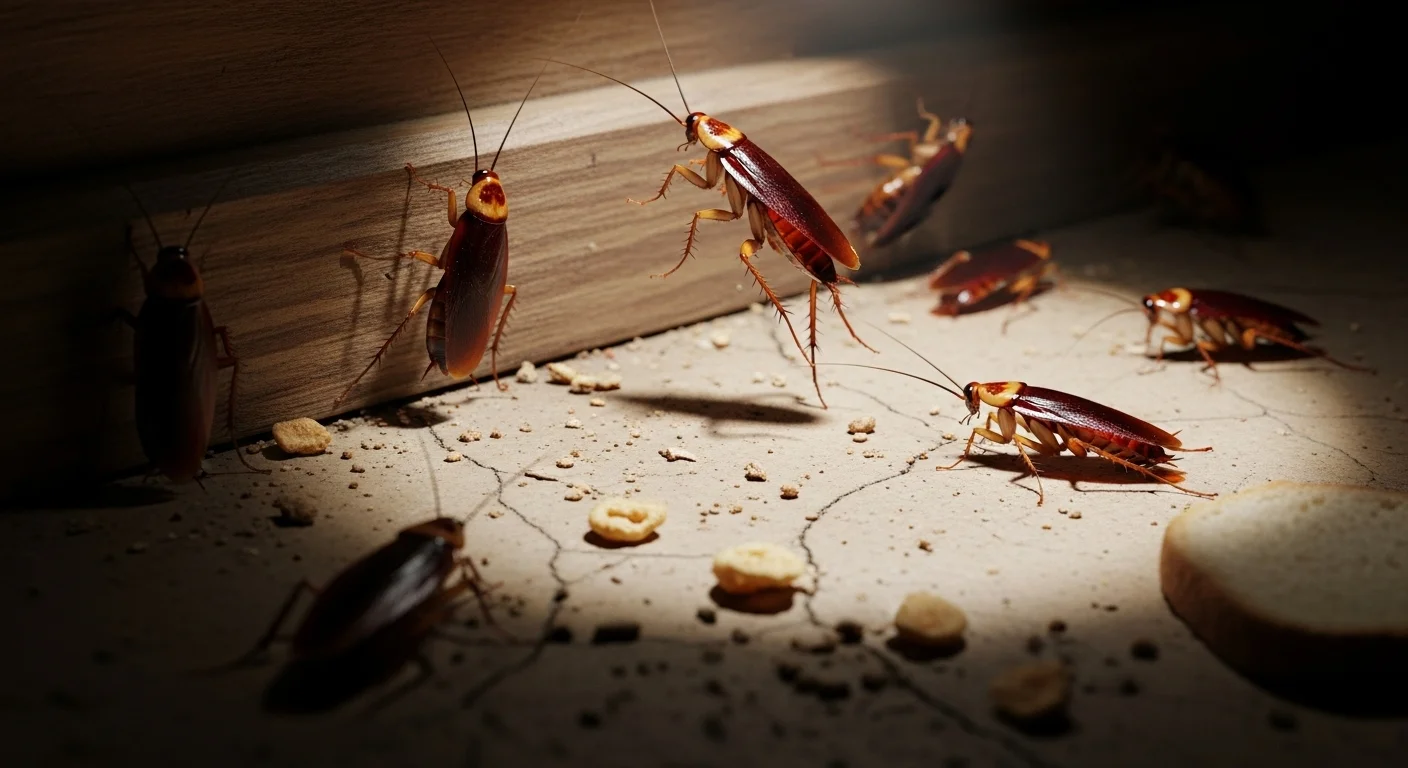
If you’re a puppy owner, dealing with pests like roaches, cockroaches, and ants can feel overwhelming. You need a clean, pest-free home; however, you don’t need to treat your puppy’s health with poisonous sprays, powders, or chemicals. The desirable news? You can get rid of pests using affordable, pet-safe, non-toxic, and practical strategies.
This whole manual will display you:
How to take away the roach puppy securely
How to take away cockroaches’ puppy securely
How to take away ants’ outdoor puppy secure
Natural remedies
Prevention strategies
Long-term pest management
Safe DIY solutions
Vet-authorized protection tips
This is your final SEO-friendly, puppy-safe pest control manual for a healthier home and happier pets.
Why Pet-Safe Pest Control Matters
Traditional insecticides comprise chemical substances like permethrin, pyrethroids, boric acid, and artificial pesticides that could cause:
Vomiting
Tremors
Seizures
Respiratory problems
Skin irritation
Liver and kidney damage
Fatal poisoning in pets
Cats and puppies are particularly susceptible because they groom themselves, lick surfaces, and walk through treated areas. Birds, reptiles, and small mammals are even more sensitive to airborne toxins. Pet-secure pest management protects your pets whilst keeping your home clean.
How to Get Rid of Roaches Pet Safe
Roaches are resilient pests that thrive in warm, dark, wet environments. Kitchens, bathrooms, basements, and laundry rooms are their favorite hiding spots.
Common Signs of Roaches
Droppings that appear to be espresso grounds
Musty odor
Egg casings
Shed skins
Nocturnal activity
Where Roaches Hide
Under sinks
Behind refrigerators
Inside cabinets
Cracks in walls
Drains
Trash areas
Pet-Safe Natural Solutions for Roaches
- Baking Soda and Sugar Trap
Why it works: Sugar draws roaches, and baking soda kills them naturally.
How to use:
Mix identical components, baking soda and sugar
Place in shallow lids close to roach activity
Keep out of direct puppy’s entry to areas
Pet safety: It is non-poisonous if pets ingest small quantities.
- Diatomaceous Earth (Food Grade Only)
Why it works: Dehydrates roaches without chemicals
How to use:
Apply skinny layers alongside baseboards, cracks, cabinets, and beneath home equipment.
Use meals-grade only
Pet safety: Safe for pets whilst used properly
- Vinegar Cleaning Spray
Why it works: Destroys heady fragrance trails and repels roaches
Recipe:
1 cup white vinegar
1 cup water
10 drops lemon oil
Spray surfaces daily.
- Essential Oil Repellent
Roach-repelling oils:
Peppermint
Eucalyptus
Tea tree
Lavender
Mix:
15 drops of oil
1 cup water
1 tsp alcohol
Spray access factors and hiding areas.
Borax Alternative (Pet Safe Version)
Instead of poisonous borax, use:
Cornstarch + sugar
Baking soda + sugar
Roach Prevention Tips (Pet Safe)
Seal cracks and gaps
Fix water leaks
Clean the puppy’s meal bowl immediately
Store puppy meals in hermetic containers
Empty trash daily
Clean beneath home equipment weekly
Use protected muddle boxes
Keep drains clean
How to Get Rid of Cockroaches Pet Safe
Cockroaches are much like roaches; however, they are often more competitive and more challenging to control. German cockroaches, American cockroaches, and Oriental cockroaches are the most common species found in homes.
Pet-Safe Cockroach Control Methods
Natural Bait Stations
DIY bait recipe:
Baking soda
Sugar
Cornmeal
Place in jars with holes punched inside the lids.
Sticky Traps (Pet Safe)
Use enclosed sticky traps placed:
Under sinks
Behind appliances
Inside cabinets
Choose non-toxic, enclosed traps to guard pets.
Citrus Repellent
Cockroaches hate citrus.
Solution:
Lemon peels
Orange peels
Citrus crucial oil spray
Neem Oil Spray
Neem oil disrupts cockroach reproductive cycles.
Mix:
2 tsp neem oil
1 liter of water
Spray corners and cracks
Catnip Repellent
Studies display that catnip repels cockroaches more effectively than DEET.
Use:
Catnip sachets
Catnip tea spray
Cockroach Prevention (Pet Safe)
Daily kitchen cleaning
No meals left overnight
Seal trash cans
Clean puppy feeding stations
Vacuum crumbs
Seal wall cracks
Repair leaky pipes
Reduce humidity
How to Get Rid of Ants Outside Pet Safe
Ant infestations outdoors can quickly spread into your house. The secrets to getting rid of ants on the supply correctly without harming pets, birds, or wildlife.
Pet-Safe Outdoor Ant Control Methods
- Boiling Water Method
Pour boiling water without delay into ant mounds.
Pet safety: Natural and chemical-free
Vinegar Perimeter Spray
Mix:
1 element of vinegar
1 element water
Spray:
Entry points
Foundation lines
Patio edges
Garden borders
Cinnamon Barrier
Sprinkle cinnamon alongside ant trails.
Diatomaceous Earth Outdoors
Use meals-grade DE around:
Foundations
Walkways
Ant mounds
Garden beds
Lemon Juice Spray
Ants hate acidity.
Spray lemon answer on trails and nests.
- Coffee Grounds
Used espresso grounds repel ants naturally.
Pet-Safe Ant Prevention Outside
Seal the basis cracks
Remove meal scraps outdoors
Clean grills
Secure trash bins
Trim plant life touching the house
Remove the status water
Clean patios regularly
Pet-Safe Cleaning Routine to Prevent Pests
Daily:
Wipe counters
Clean puppy bowls
Sweep floors
Empty trash
Weekly:
Mop floors
Clean beneath appliances
Wash puppy bedding
Clean muddle areas
Monthly:
Inspect cracks
Reapply herbal repellents
Clean drains
Seal access points
Common Mistakes to Avoid
Using store-sold malicious program sprays
Foggers and bombs
Boric acid
Chemical bait stations
Insecticide powders
Pest-manipulating sprays
Pyrethroid-based products
Outdoor poison granules
These are poisonous to pets even in small doses.
Long-Term Pet-Safe Pest Control Strategy
Cleanliness first
Moisture manipulates
Entry factor sealing
Natural repellents
Regular inspections
Outdoor barrier manipulates
Safe bait systems
Eco-pleasant deterrents
Best Pet-Safe Commercial Products (Natural Options)
Look for labels that say:
Pet-secure
Non-poisonous
Natural ingredients
Essential oil-based
Food-grade
Eco-pleasant
Plant-primarily based totally
When to Call a Professional
Call a pet-secure pest management corporation if:
Infestation is severe
Multiple nests are present
Structural harm occurs
Roaches preserve returning
Ant colonies unfold rapidly
DIY techniques fail
Always request:
Non-poisonous treatment
Pet-secure certification
Natural pest solutions
Eco-pleasant products
Important points to remember
The Health Risks of Roaches and Ants in Pet-Friendly Homes
Roaches and ants are more than just a nuisance. They bring bacteria, parasites, and allergens that can affect people and pets. Cockroaches harbor salmonella, E. coli, and other dangerous pathogens that contaminate puppy food bowls, floors, and bedding. Ants can invade puppy food and water, making them unsafe to consume.
For pets with hypersensitive reactions or a touchy immune system, pest infestations can cause more severe signs and symptoms, including itching, respiratory issues, and digestive problems. This is why studying how to remove roach and ant pupae securely is essential for maintaining a wholesome living environment.
Why Natural Pest Control Works Better in the Long Run
Natural pest management focuses on eliminating the root causes of infestations rather than providing temporary relief. Chemical sprays might also kill visible bugs, but often fail to destroy nests and eggs. Over time, pests develop resistance to chemical pesticides, making infestations harder to control.
Pet-secure, herbal answers like diatomaceous earth, baking soda, vinegar, and essential oils work by disrupting pest life cycles. These strategies might also take longer; however, they offer sustainable and long-term safety without harming pets or the environment.
How Pet Behavior Can Increase Pest Problems
Pets by accident appeal to pests in numerous ways. Dropped kibble, spilled water, and exposed meal bowls offer clean access to meals and moisture. Litter boxes, chicken cages, and reptile habitats can also attract bugs if they are not cleaned regularly.
Understanding puppy behavior helps you avoid infestations. Feeding pets on a schedule, cleaning food areas immediately, and avoiding overnight food exposure are critical steps in puppy-safe cockroach and ant prevention.
The Importance of Using Multiple Pet-Safe Methods Together
No single approach can eliminate pests. The simplest method is pest control using a couple of pet-safe solutions.
Best Combination Strategy
Clean day by day to cast off meal’s sources
Use baking soda or diatomaceous earth to kill pests
Apply vinegar or essential oil sprays for repelling bugs
Seal cracks to the dam access points
Monitor infestation regions regularly
Using those strategies collectively will drastically increase fulfillment and prevent reinfestation.
Seasonal Pest Control Tips for Pet Owners
Pest interest changes throughout the year, and your pest management approach must adapt accordingly.
Summer
Increased roach and ant interest
Focus on moisture management and outside prevention
Use pet-secure repellents close to doorways and windows
Winter
Roaches flow into the interior in search of warmth
Seal cracks and decrease clutter
Deep, smooth, hidden regions
Spring and Fall
Ideal time for preventive treatments
Inspect outside nests
Reapply diatomaceous earth
Seasonal focus helps preserve a pest-free, pet-safe home year-round.
Outdoor Landscaping Tips to Keep Ants Away (Pet Safe)
Your backyard plays a primary role in pest prevention.
Pet-Safe Yard Practices
Keep the grass trimmed
Remove fallen leaves and debris
Avoid timber piles close to the house
Use gravel as opposed to mulch close to foundations
Fix water drainage issues
These practices lessen nesting regions and make your property much less appealing to ants.
Natural Plants That Repel Roaches and Ants
Certain plants obviously repel bugs and are safe for pets.
Best Pet-Safe Repellent Plants
Mint
Lavender
Rosemary
Basil
Lemongrass
Planting those around your property or preserving them indoors obviously deters pests.