
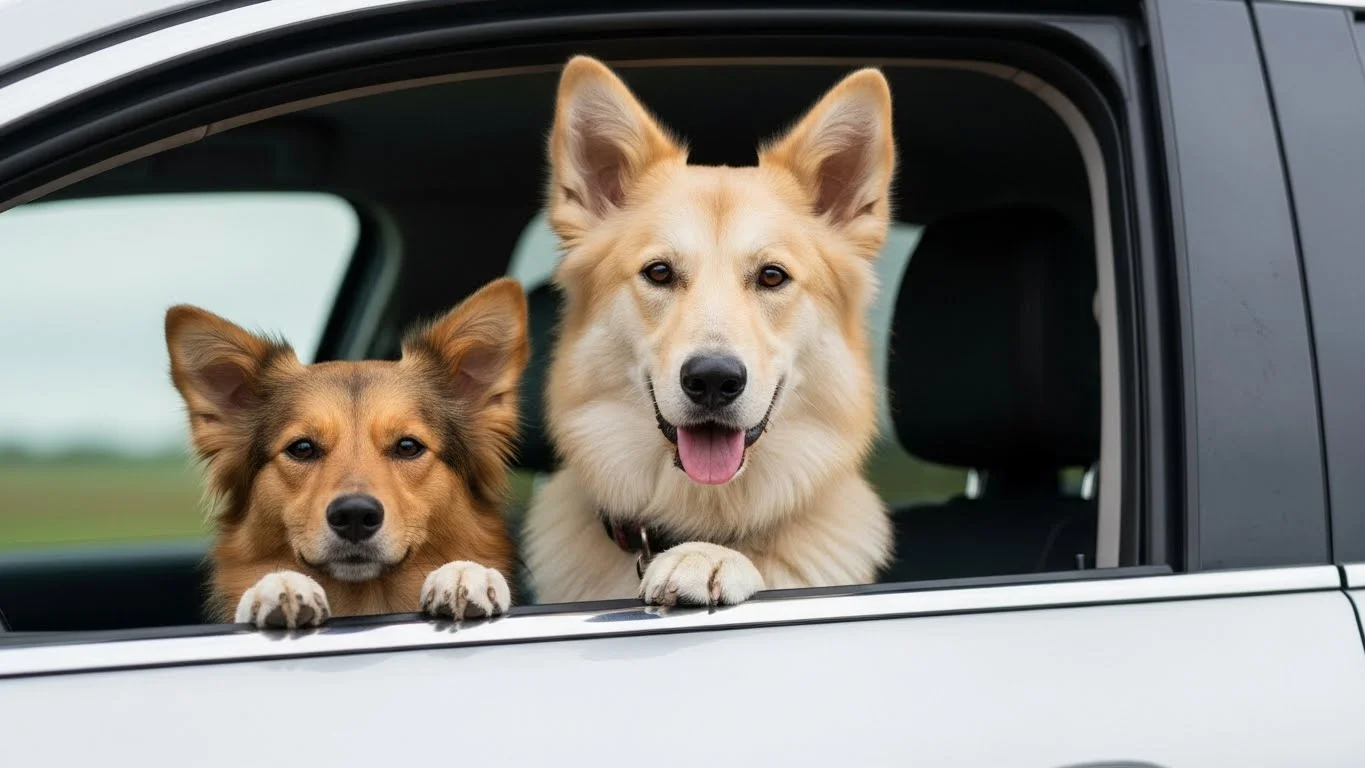
Understanding Why Dogs Cry withinside the Car
Dogs may also vocalize, whine, or cry withinside the automobile for a number of behavioral, physical, and emotional motives. Unlike humans, puppies do not inherently recognize the reason of automobile travel, which could make the enjoy perplexing or frightening. Recognizing the basis reason is important to supporting your canine experience secure and comfortable.
Common Reasons Your Dog Cries in the Car
- Car Anxiety or Fear:Many dogs develop a fear of cars due to negative past experiences, such as a trip to the vet or an accident. This fear can manifest as crying, panting, trembling, or pacing.
- Separation Anxiety:If your dog associates car rides with being left behind, they may become distressed even before the engine starts.
- Motion Sickness:Just like children, puppies and some adult dogs suffer from motion sickness. Symptoms include drooling, vomiting, and excessive whining during movement.
- Lack of Early Exposure:Puppies not exposed to car rides during their socialization period (between 3–14 weeks) may find vehicle travel overwhelming later in life.
- Overstimulation:The sounds, vibrations, and visual stimuli from moving scenery can be overwhelming, especially for sensitive or high-energy breeds.
- Physical Discomfort:Riding in an unsafe position, on a hard surface, or without proper support can lead to discomfort and vocalization.
More reasons of why does dogs cry in the car
Your Dog May Have Motion Sickness
If your canine cries or whines withinside the vehicle and additionally walks round restlessly, licks their lips, drools, or maybe throws up, movement illness can be the cause. These are not unusual place symptoms and symptoms that your canine feels nauseous even as driving in a transferring vehicle.
Motion illness is in particular not unusual place in puppies. The correct information is that many puppies develop out of it as they get older, regularly by the point they may be approximately three hundred and sixty-five days old, as their stability gadget completely develops.
There are some smooth methods to assist lessen your canine`s discomfort. Try now no longer feeding your canine for some hours earlier than the journey so their belly is empty. Opening the home windows barely also can assist through permitting clean air to circulate. Some canine proprietors discover that mild massage, calming scents, or herbal dietary supplements can assist. If those techniques don`t work, communicate on your veterinarian. They might also additionally recommend medication, inclusive of over-the-counter alternatives or prescription treatments, to assist save you nausea and make vehicle rides extra cushy to your canine.
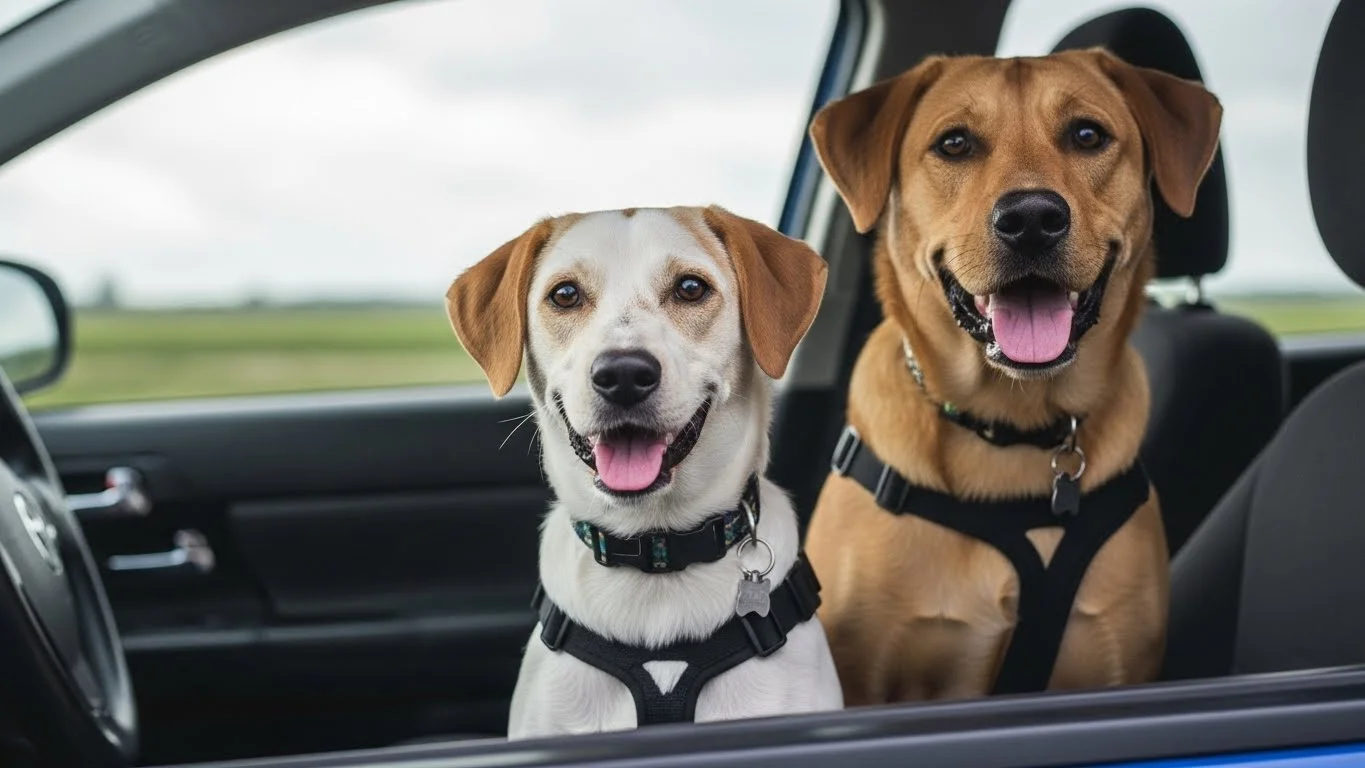
Your canine may want to sense risky and now no longer stable withinside the vehicle
Even in case your canine doesn`t enjoy movement illness, they may nonetheless dislike the sensation of the automobile`s movement. It could make them sense like they aren`t stable. Dogs who don`t like the automobile might also additionally arise the complete time, which simplest compounds the problem.
Help your canine sense stable withinside the vehicle, even on brief rides. Your canine would possibly sense extra cushy touring of their crate withinside the vehicle if it fits. Smaller puppies love our Lookout Dog Car Seat, a raised vehicle seat that offers your canine a snug and relaxed region to take a seat down and appearance out the window. It additionally has a clip so that you can connect a harness for delivered safety. Very small puppies can trip up the front withinside the Console Dog Car Seat. Bigger puppies might also additionally opt for resting on a hammock-like vehicle seat cowl withinside the backseat, which prevents them from falling or slipping into the footwell area.
Your Dog May Connect Car Rides with Bad Experiences
Think approximately how regularly your canine rides withinside the automobile and in which the ones journeys generally go. If your canine best receives withinside the automobile every so often and it`s constantly for something unpleasant, like a vet go to or shots, they will begin to see the auto as a terrible place. Over time, even being requested to get into the auto could make them sense careworn or anxious.
To restore this, strive converting what automobile rides suggest on your canine. Take them to a laugh places, consisting of a park, a strolling trail, or everywhere they revel in spending time. If your canine may be very nervous, begin even smaller. Let them take a seat down withinside the parked automobile without turning it on or going everywhere. Bring a favorite toy and supply treats while your canine remains calm. Practice this for simply 5–10 mins at a time, numerous instances a week. This allows your canine examine that being withinside the automobile doesn`t constantly suggest something horrifying and might definitely be a safe, comfortable experience.
Your dog is excited to be withinside the automobile:
Dogs cry or whine while they`re upset, and they can also cry or whine while they`re excited! If they associate being withinside the automobile with fun instances, or they realize you`re going to a fun place, they could cry from excitement. If you note one-of-a-kind signs and symptoms and signs and symptoms of happiness, which encompass a wagging tail, a cushy mouth, and perky ears (and you don`t phrase obvious signs and symptoms and signs and symptoms of infection or strain like excessive drooling or retching), then you definitely might also additionally definitely have a glad dog on your hands!
How to Identify the Cause of Your Dog’s Car Crying
To effectively address the behavior, observe your dog closely during different stages of the car journey:
- Before entering the car:Does your dog hesitate, hide, or show signs of stress when you grab the keys?
- During startup:Does the engine noise trigger immediate whining?
- While driving:Does the crying start only after movement begins? Is it accompanied by drooling or vomiting?
- At destination:Does your dog calm down immediately upon exiting, suggesting the car itself is the stressor?
Keeping a short journal of these behaviors can help you and your veterinarian determine whether the cause is anxiety, illness, or environmental.
Solutions to Stop Your Dog from Crying in the Car
Once you’ve identified the likely cause, implement targeted strategies to improve your dog’s experience.
Gradual Desensitization Training
This method works best for dogs with anxiety or fear. Start by simply having your dog sit near the parked car with treats and praise. Over several days, progress to:
- Sitting inside the car with windows open
- Sitting inside with engine off
- Turning on the engine without moving
- Driving around the block
- Gradually increasing trip length
Reward calm behavior at each stage. Never force your dog into the car, as this can reinforce fear.
Use of Safety Equipment
Proper restraints can reduce anxiety and increase comfort:
- Crash-tested harnesses:These attach to seatbelts and prevent dogs from jumping or falling.
- Carriers or crates:Ideal for small dogs or those who feel safer in enclosed spaces. Secure them with straps.
- Backseat barriers:Help larger dogs feel secure while preventing them from distracting the driver.
A study by the Center for Pet Safety found that many pet products fail crash tests, so always choose certified gear.
Manage Motion Sickness
If your dog shows signs of nausea, consult your vet. They may recommend:
- Short fasting:Withhold food 4–6 hours before travel to reduce stomach upset.
- Medication:Drugs like meclizine or prescription anti-nausea meds (e.g., Cerenia) may be used under veterinary supervision.
- Fresh air:Crack a window slightly to provide airflow and reduce pressure changes.
- Seat positioning:Place your dog where they can see outside but aren’t directly facing moving scenery (e.g., middle back seat).
Create a Positive Association
Turn automobile journeys into exciting events:
- Take brief drives to a laugh places like parks or pet-pleasant stores.
- Offer unique toys or treats most effective to be had withinside the automobile.
- Avoid associating automobile rides solely with vet visits or grooming.
Consistency enables your canine analyze that the auto ends in fantastic outcomes.
Calming Aids and Supplements
For highly anxious dogs, consider:
- Calming vests (e.g., Thunder shirt):Apply gentle pressure to reduce anxiety.
- Natural supplements:Products with L-theanine, chamomile, or CBD (where legal) may help relax your dog.
- Pheromone sprays:Adapted releases dog-appeasing pheromones that mimic maternal scents.
- White noise or calming music:Play low-frequency playlists designed for pets during travel.
How Long Does It Take to Train a Dog to Stay Calm in the Car?
Results vary depending on the dog and severity of anxiety. Mild cases may improve within 2–4 weeks with consistent training. Severe cases can take several months and may require professional help from a certified dog behaviorist or trainer specializing in fear-based behaviors.