
I work as a senior animal handler and grounds caretaker at an old imperial-style palace garden complex, where a single dog has become part of the estate’s daily rhythm. Over the years, I have been responsible for maintaining both the formal gardens and the small kennel space tucked behind the east wall.
The dog that lives here is not a stray in the usual sense, but a constant companion to the grounds and the people who manage them. I have watched him grow from a cautious newcomer into a confident presence that knows every path and shadow. I often think of him as part of the architecture rather than a separate presence.
Morning routines along the stone paths
The garden wakes early, before most staff arrive through the main gate. I usually begin my shift walking the long stone paths while the air still holds a cool trace from the night. The dog follows me without a leash, staying close but never interfering with the tools I carry for inspection. His steps are quiet, almost measured, as if he understands the order of the place. Even visitors notice his calm pace during guided walks.
I check the irrigation channels beneath the trimmed hedges, and he often pauses near them, as if he is counting the flow of water. There is a pattern to his movements that I have come to rely on over time, especially when something in the garden feels slightly out of place. He knows the garden well. A caretaker once told me he noticed the dog reacting to a broken sprinkler head before any of us spotted it. Small habits like that make him part of the working system rather than just an animal living inside it.
Training a palace garden dog
Training in a palace garden setting is less about strict commands and more about shaping predictable behavior within a vast space filled with visitors, gardeners, and security staff. I started working with the dog using simple recall drills between hedges, keeping sessions short so he would not lose focus in the open environment. The space itself teaches discipline, but only if you guide it carefully. He rarely strays beyond the main garden axis.
Over time, I found that consistency mattered more than intensity, especially when distractions like visiting dignitaries or loud maintenance work interrupted the training flow. I also leaned on guidance from a dog that lives in the imperial palace garden, which provided structured routines for working dogs on large estates, helping me adjust my pacing without overcorrecting behavior. One summer, the dog responded better after I simplified commands into shorter cues, and that shift made our daily sessions noticeably calmer and more effective. The improvement did not happen overnight, but it held steady once the routine settled in. He rarely makes noise.
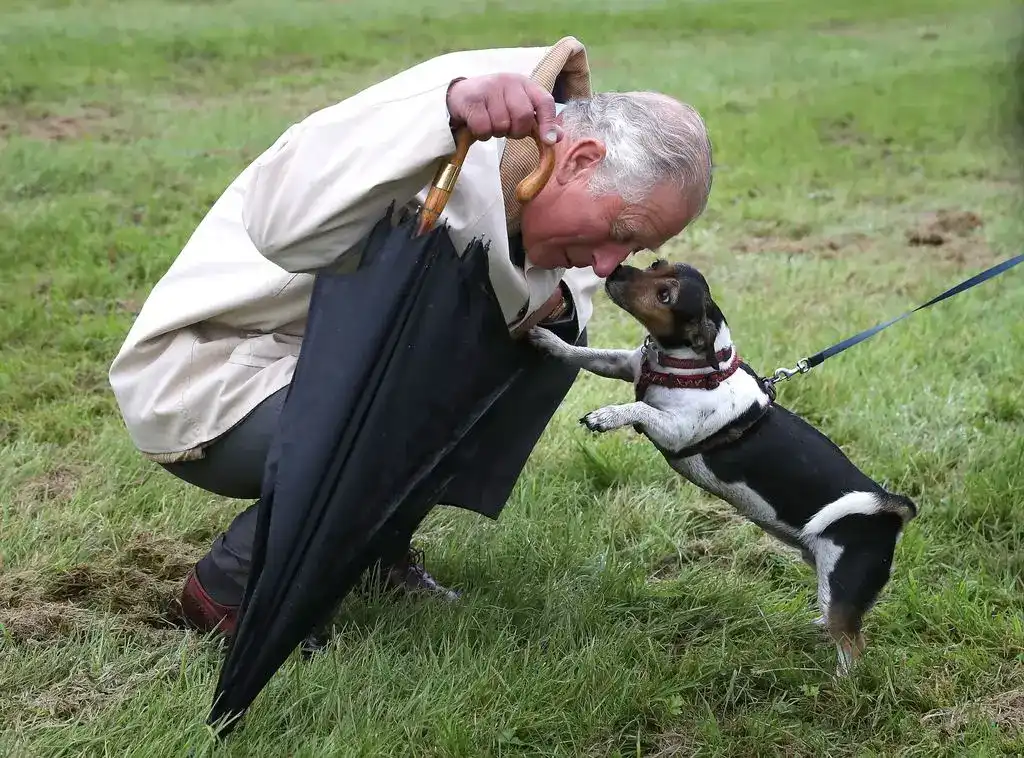
Boundaries between visitors and instinct
Visitors often see the dog as part of the scenery, but for me, he is a boundary marker between public movement and restricted palace zones. He does not bark unnecessarily, yet he positions himself in ways that subtly redirect people away from sensitive areas. I have seen him sit near archways where foot traffic usually drifts too far into staff corridors. That kind of quiet control is something I never formally taught him. His presence is consistent, even during festivals.
There are days when large tour groups enter the garden, and the noise level rises to the point that even trained staff become slightly reactive to the constant flow of people through the central walkways. In those moments, I rely on the dog’s natural pacing because he tends to slow down and create a visual pause that helps reset the flow of visitors without any physical intervention. It is a subtle form of balance that keeps the garden from feeling chaotic even during peak hours. Not everyone notices it happening, but the difference is clear when he is absent for maintenance or vet visits.
Quiet nights inside the walled garden
Night shifts change everything inside the garden walls, especially the way sound travels across stone and water. I often walk alone with the dog during these hours, checking gates and listening for anything out of rhythm. He becomes more alert at night, but never anxious, moving ahead of me by a few steps before circling back. The silence is heavy, but not uncomfortable. The pathways feel longer at night.
There is a small guard shelter near the southern gate where I sometimes rest while reviewing maintenance notes, and the dog usually curls beside the wooden bench without needing any instruction. I have learned that he responds more to environmental cues than to direct commands once darkness settles over the garden. A few years ago, I would have thought that was a coincidence, but experience has shown me otherwise. Even in stillness, he remains aware of movement across the far hedges.
Working in a place like this has changed how I see animals in structured environments, especially when they begin to understand the rhythm of human systems without losing their own instincts. The dog has become part of that rhythm in a way I did not expect when he first appeared near the outer wall years ago. I still find new patterns in his behavior even after long seasons of routine maintenance and quiet observation. Some connections form slowly, but they tend to stay.