
I have worked as a veterinary technician at a small-animal clinic for years, mostly handling routine digestive cases, diet consultations, and post-treatment recovery checks. One thing older pet owners sometimes bring up in conversation is the memory of seeing white, chalky dog poop on streets or in yards.
They ask me if something changed in dogs, food, or even the environment. I’ve heard this question enough times that it stuck with me, and I started paying closer attention during field visits and clinic discussions.
What white dog poop actually was
Back when I first started in veterinary support work, I occasionally saw the same thing people describe from decades ago: dog feces turning pale, dry, and almost chalk-like after a few days outdoors. It was not immediate, but it happened more often when dogs ate diets heavy in bone content. That includes raw feeding habits or leftover butcher scraps that were more common in older feeding routines.
The whitening effect was mostly calcium. When bone matter is digested and later exposed to the sun and air, it dries out and loses its darker organic color. I remember a customer last spring mentioning how common it used to be in their neighborhood for street dogs to be fed kitchen scraps regularly. That kind of feeding pattern has changed a lot in urban areas.
Modern commercial dog food contains significantly less raw bone residue than older diets. Even when bone is included, it is processed differently and balanced with other nutrients. This alone has reduced the conditions that caused that distinct white appearance. I still explain this to pet owners who assume it is a health issue or environmental mystery.
Diet changes and commercial pet food impact
Most of what I see now in clinical cases reflects consistent feeding of processed pet food, which is designed for digestibility and nutritional balance. Dogs simply are not consuming the same raw bone-heavy leftovers they used to decades ago. That shift has quietly removed one of the biggest causes of pale, chalky stools.
In some cases, owners still experiment with raw feeding, but even then, bone content is usually controlled and not as frequent. In my experience working with local pet nutrition suppliers, I’ve noticed greater awareness of calcium balance and digestive safety. Many pet owners also consult veterinary clinics or specialized services before making significant diet changes, which reduces extremes in feeding behavior.
Dog digestion today is more predictable because diets are standardized. When I review stool-related concerns in the clinic, I rarely see cases linked to excessive bone residue. Instead, issues tend to involve fiber imbalance or sudden dietary changes. That consistency in feeding habits has quietly removed the conditions that once created white dog feces.
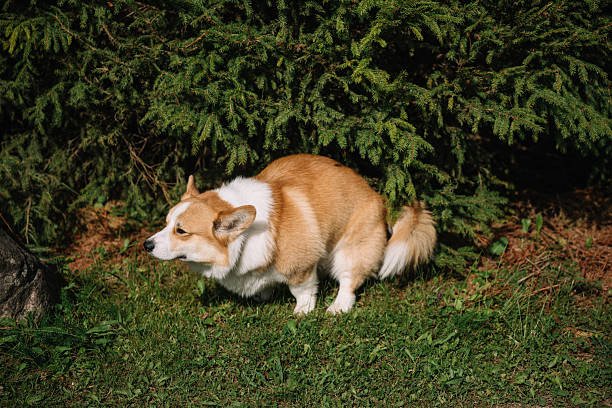
Environmental changes and street dog feeding habits
Another major reason we don’t see white dog poo as often is the shift in how stray and street dogs are fed. Years ago, scraps from butcher shops, kitchens, and restaurants were more commonly discarded in open spaces. Dogs would consume a mix of bones and leftovers without restriction, which later influenced the appearance of their stools when left outdoors.
Today, waste management in many urban areas has improved, and food disposal is less accessible to animals. I often notice that even in semi-rural areas, feeding practices are more controlled through shelters or individual caretakers. This reduces the random intake of high-bone material that once contributed to that chalky residue.
The environment itself also plays a role. I have seen how rain patterns, humidity levels, and street cleanliness affect how quickly organic waste breaks down. In cleaner or more managed spaces, feces do not remain exposed long enough to fully dry into that pale, brittle form people remember from the past.
Why does the memory still feel so strong?
Even though I rarely see it now, people still vividly remember white dog poo. Memory tends to preserve unusual visual patterns more than ordinary ones, and chalky white stools were visually striking against darker ground surfaces. That contrast made it more memorable than normal brown waste, even if it was never extremely common.
I have spoken with long-time pet owners who associate it with older neighborhoods or rural roads where feeding practices were less controlled. One retired man once told me he used to see it near construction sites where stray dogs gathered regularly. Those environments have changed significantly over the last couple of decades.
There is also a psychological element. When something looks unusual, people assume it signals a larger shift in animal or health trends. In reality, it was mostly a feeding and environmental coincidence that occurred more frequently under conditions now less common.
What I see in clinics today
In my daily clinic work, stool observations remain part of routine checks, especially for puppies or dogs on dietary adjustments. But instead of color changes linked to bone-heavy diets, I see more variation related to hydration, fiber intake, and sudden food transitions. These are easier to trace and manage compared to older feeding-related outcomes.
When pet owners ask me directly why they don’t see white dog poo anymore, I usually explain it in simple terms: dogs changed what they eat, and humans changed how they manage food waste. Those two shifts removed the conditions that had once created it. It is less about biology changing and more about lifestyle evolution in both pets and people.
I still find it interesting how certain small details from everyday life fade without most people noticing the reason. White dog poo is one of those things that quietly disappeared as feeding habits, urban cleanliness, and pet care standards moved forward. It is a small example of how closely animal behavior is tied to human choices.
Now, when I walk past parks or streets, I see far fewer of the older signs people used to mention. Most dogs I treat are on structured diets, and that alone has changed the entire pattern. Some changes in veterinary work are loud and obvious, but others are as subtle as the disappearance of a color in something as ordinary as dog stool.