
Cats are sensitive to temperature changes and can easily overheat in warm environments. Their bodies are designed to maintain a stable temperature, but extreme heat can be dangerous. Knowing when it is too hot for a cat helps prevent heatstroke and other health issues.
Owners must be aware of the signs of overheating and take proper precautions. Proper care ensures that cats stay safe and comfortable during hot weather.
Signs Your Cat Is Feeling Too Hot
Cats cannot sweat like humans, so they rely on other methods to cool down. Heavy panting, drooling, or a rapid heartbeat indicate overheating. You may also notice your cat seeking cooler surfaces or shaded spots. Some become restless, others quiet or withdrawn. Watching your cat’s behavior can help detect early signs of heat stress.
Excessive grooming can also indicate heat discomfort. Cats may lick their fur more to promote evaporative cooling. If you notice unusual lethargy or vomiting, it could signal heat exhaustion. Addressing these symptoms quickly can prevent severe health problems. Preventive measures such as proper ventilation and adequate water availability are crucial in warm environments.
Safe Temperature Ranges for Cats
Keep the indoor temperature for most cats between 60°F and 80°F. Temperatures above 85°F are unsafe, especially for vulnerable cats. Direct sunlight and poor ventilation increase the risk of heat. Always provide shade and water outdoors. Watch your cat to prevent heat issues.
If you are unsure about temperature limits, check resources like ” How hot is too hot for a cat for practical advice. These guides explain safe thresholds and signs of overheating. They also provide tips on keeping cats cool and hydrated. Following these recommendations significantly reduces the risk of heatstroke.
Match your cat’s environment to their activity and needs. Active, older, or thick-coated cats need cooler spaces. Adjust indoor settings accordingly and check regularly to keep your cat safe and comfortable.
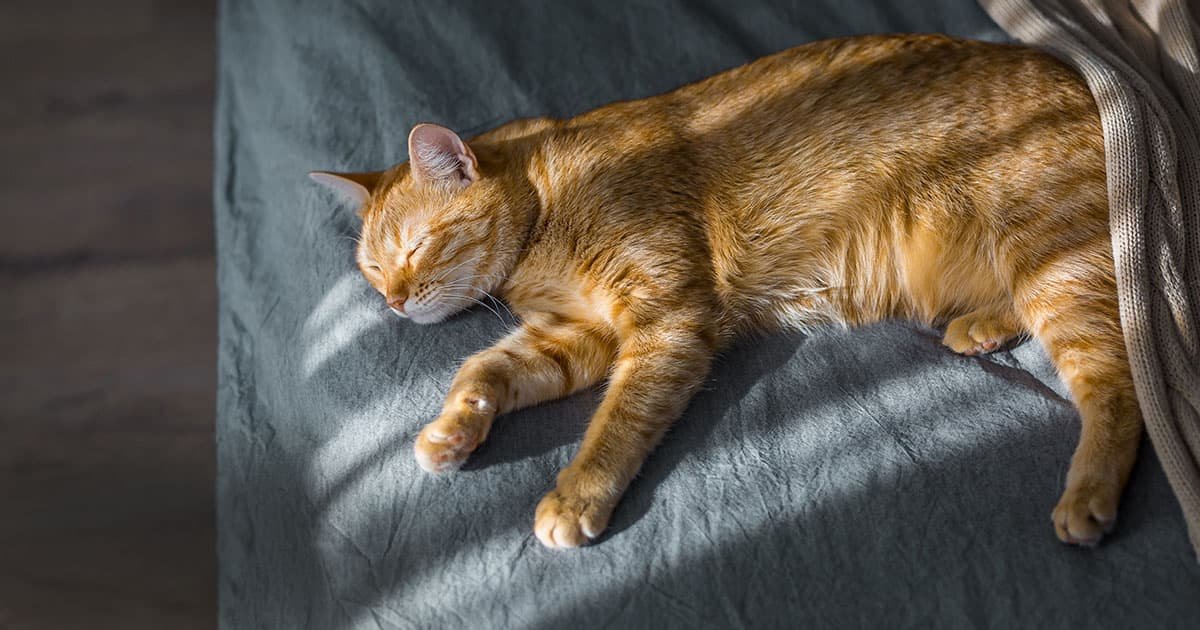
Prevention protects cats from overheating.
Provide fresh water and shade outdoors. Indoors, use fans or air conditioning. Never leave cats in cars, as temperatures rise rapidly. Simple steps prevent serious health issues. alth issues.
Diet can also influence heat tolerance. Lighter meals in the summer can help cats regulate their body temperature more effectively. Offering wet food increases hydration. Observing how your cat reacts to warm weather can guide adjustments to your care routine. Small preventive measures make a big difference.
Heatstroke in cats can be life-threatening. Symptoms include vomiting, disorientation, and collapse. Immediate cooling and veterinary attention are necessary if these signs occur. Never try to treat severe heatstroke at home without professional guidance. Quick intervention saves lives.
Environmental Adjustments for Hot Weather
Adjusting your home environment can make hot days safer for cats. Provide cool surfaces, such as tile or shaded areas, where they can rest. Close blinds during peak sunlight hours to reduce indoor temperatures. Fans and air circulation help maintain a comfortable space. Monitoring indoor temperature ensures your cat remains safe and comfortable.
If your cat enjoys outdoor access, create shaded spots and ensure constant water availability. Avoid strenuous play during peak heat hours. Use cooling mats or damp towels for additional comfort. These adjustments prevent stress and overheating. Consistent care during warm weather maintains your cat’s health and well-being.
Recognizing the signs of overheating and maintaining safe temperatures are crucial for cat safety. Proper hydration, shaded areas, and attentive care prevent heat-related issues. By observing your cat’s behavior and making environmental adjustments, you can keep your cat safe and healthy even on the hottest days of the year.
Understanding how heat affects cats is essential for every pet owner. High temperatures can quickly lead to serious health issues, so monitoring behavior and the environment is vital. Providing water, shade, and cooler spaces allows cats to stay comfortable. Regular attention ensures your cat enjoys warm weather safely and without stress.