
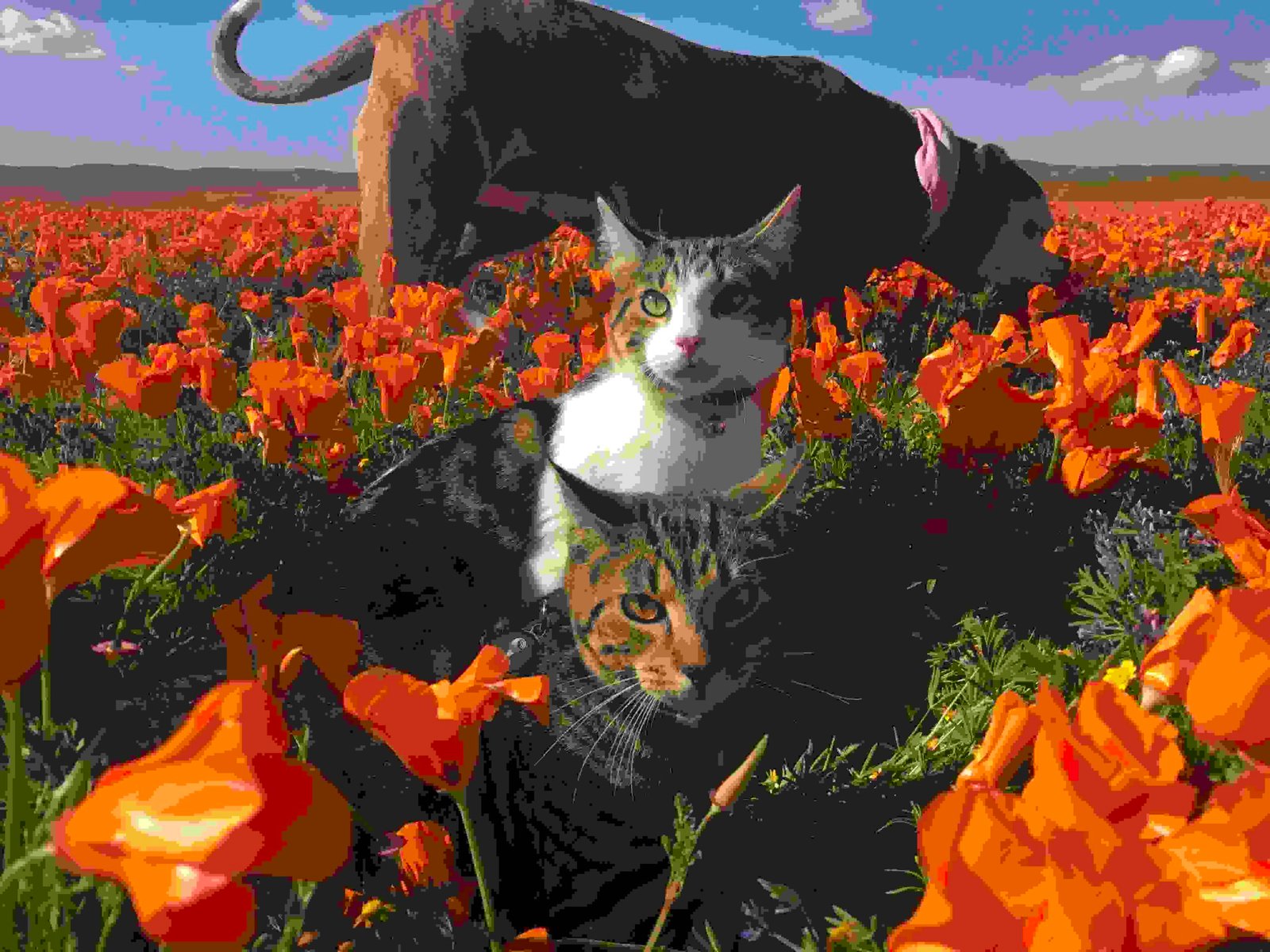
Many pet owners enjoy growing colorful plants in their gardens, but not all flowers are safe for cats. California poppies are bright, attractive, and easy to grow, which makes them popular in many homes. Still, cats’ curiosity can lead them to nibble on plants. Knowing whether these flowers are safe can help prevent unwanted health issues.
What Are California Poppies and Why Cats Notice Them
California poppies are flowering plants known for their bright orange petals and soft, delicate leaves. They belong to the Papaveraceae family and can grow to 30-60 centimeters tall. Their light scent and movement in the wind often attract curious cats. Some cats may sniff or chew them during play.
Cats are naturally drawn to plants for their texture and smell, especially young cats under one year old who explore by chewing. Even indoor cats may show interest if these flowers are brought inside, leading to accidental ingestion.
Many owners use these plants in gardens, borders, and pots, often assuming all decorative flowers are harmless. Awareness and attention to detail can prevent problems.
Are California Poppies Toxic to Cats
Many pet care resources discuss whether California poppies are toxic to cats and explain that they are mildly toxic rather than highly dangerous. This means they are unlikely to cause severe poisoning in small amounts. However, they can still affect a cat’s health if eaten.
California poppies contain compounds that may cause mild sedation or stomach upset in cats. These effects can vary depending on how much the cat eats. Some cats may show no symptoms, while others may react quickly. It depends on sensitivity.
The risk grows if a cat eats a lot of the plant. While not as toxic as some other flowers, they are still unsafe for regular exposure. Prevention is best—keep them out of reach.
Symptoms to Watch After Exposure
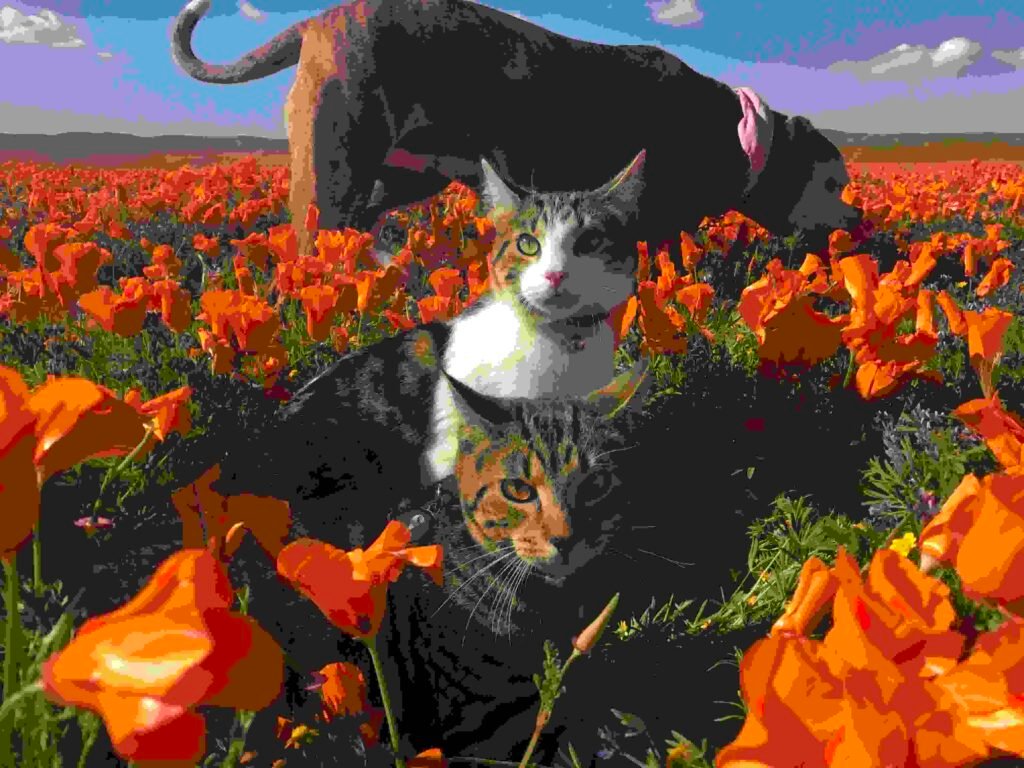
If a cat eats part of a California poppy, you may notice mild symptoms. Common signs include drooling, vomiting, or slight drowsiness. These symptoms usually appear within a few hours. They can last for a short time.
Some cats may become calm or less active as the plant can affect the nervous system. Effects are usually mild but can concern owners. Monitor your cat.
In rare cases, symptoms may become more noticeable. A cat that eats more may show repeated vomiting or a lack of appetite, which can lead to dehydration if not managed properly and may require a visit to the vet. Early action helps.
What to Do If Your Cat Eats California Poppies
Stay calm first. Remove any plant material from your cat’s mouth if you can do it safely. Offer fresh water to help rinse the mouth and reduce irritation. Small steps matter.
Observe your cat for 12 to 24 hours. Watch for changes in behavior, appetite, or energy. If symptoms stay mild, they may resolve on their own. Keep your cat comfortable.
If symptoms worsen or persist for more than a day, contact a veterinarian. Professional advice ensures your pet gets proper care. Do not wait too long. A quick response can prevent complications.
Here are a few quick actions to follow:
- Remove the plant from your cat’s reach immediately.
- Provide clean drinking water for hydration.
- Monitor behavior for at least 24 hours.
- Call a vet if symptoms become severe.
How to Keep Cats Safe Around Plants
Keep harmful plants out of reach by placing them on high shelves or in closed rooms. Small changes help reduce accidental ingestion.l.
Choosing pet-safe plants is another good option. Many plants are non-toxic and still look beautiful in your home. Research before buying new plants. It saves trouble later.
Training can also help. Some cats learn to avoid plants when given consistent guidance. Using safe deterrents, such as citrus scents, may discourage chewing. Patience is key.
California poppies are not among the most dangerous plants for cats, but their compounds still pose a real, though moderate, risk if eaten or chewed. Being aware of these effects and taking precautions can keep your pet safe and your garden colorful without risk.