
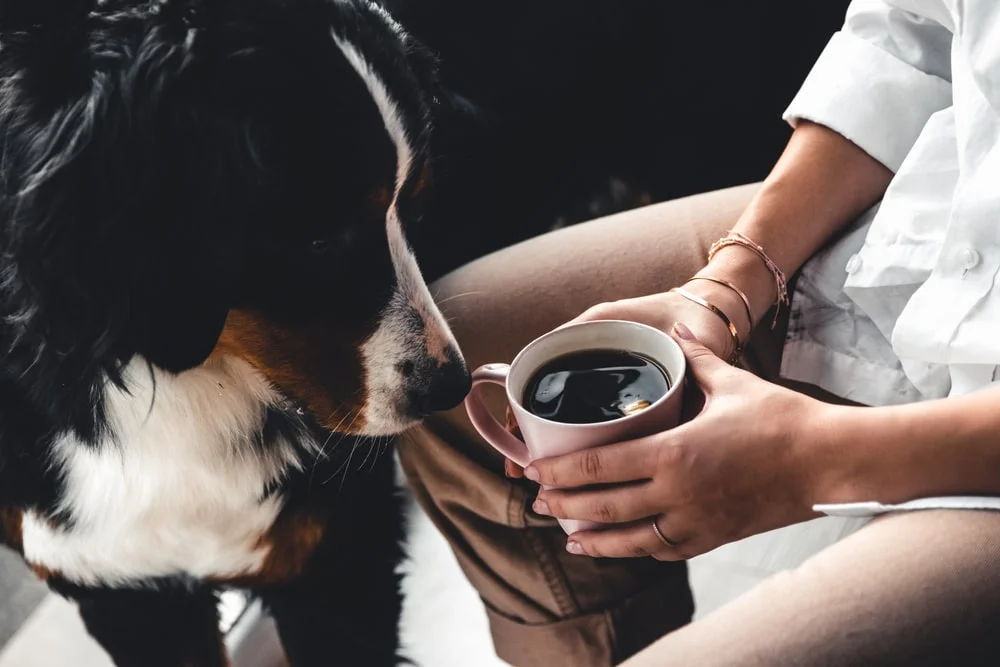
Coffee is a daily habit for many people, but it raises concerns when dogs are around. You might wonder what happens if your dog drinks coffee or licks a cup. Even small amounts can affect dogs differently than they affect humans. Understanding the risks can help you keep your pet safe.
Why Coffee Is Dangerous for Dogs
Coffee contains caffeine, a stimulant that affects the central nervous system. While humans can tolerate it in moderate amounts, dogs are much more sensitive to it. Even a small dose can cause noticeable changes in behavior. Their bodies process caffeine differently.
For dogs, caffeine acts quickly. It can increase heart rate and cause restlessness within 30 to 60 minutes, sometimes even faster, depending on the dog’s size and health. This makes it risky.
Ground coffee and espresso are especially dangerous because they contain higher levels of caffeine. A single teaspoon of coffee grounds can have a strong effect on a small dog. The concentration matters. Stronger forms pose a greater risk.
Caffeine is not just in coffee. It is also found in tea, energy drinks, and some snacks. Dogs can be exposed in many ways. Awareness is important.
What Happens If a Dog Drinks Coffee
If a dog drinks coffee, the symptoms can vary based on how much was consumed. A small sip may cause mild restlessness, while larger amounts can lead to serious health issues. The dog’s size plays a big role. Smaller dogs face a higher risk.
For a detailed explanation of the risks and effects, this guide on coffee and dogs explains why caffeine exposure should always be taken seriously by pet owners.
Common symptoms include increased heart rate, shaking, and hyperactivity. Some dogs may bark more or seem unable to settle down. These signs can appear quickly. Watch closely.
In more severe cases, dogs may experience vomiting or diarrhea. High doses can lead to seizures or collapse. These are medical emergencies. Immediate action is needed.
The effects can last several hours. In some situations, symptoms may continue for up to 24 hours, depending on the amount consumed and the dog’s metabolism.
Signs of Caffeine Poisoning in Dogs
Caffeine poisoning can happen when a dog consumes too much coffee or caffeine-containing products. Recognizing the signs early can help prevent serious complications. Quick response makes a difference.
Symptoms may begin within an hour. The dog might seem restless or anxious. You may notice pacing or an inability to sit still. This is often the first sign.
As the condition worsens, more severe symptoms can appear. These include muscle tremors, rapid breathing, and an elevated heart rate. The dog may also become overly sensitive to noise or movement. This stage requires attention.
Here are some warning signs to watch for:
– Continuous shaking or tremors.
– Rapid heartbeat or panting.
– Vomiting or upset stomach.
– Hyperactivity or unusual excitement.
– Seizures in extreme cases.
Short signs matter. Do not ignore them.
How Much Coffee Is Too Much?
The toxic dose of caffeine for dogs is generally considered to be around 20 mg per pound of body weight, though even lower amounts can cause mild symptoms, especially in small dogs. For example, a 10-pound dog may react to just 200 mg of caffeine, about one strong cup of coffee, which could prove very dangerous for it but less so for a large dog.st.
Different types of coffee contain varying levels of caffeine. Espresso shots are more concentrated than regular brewed coffee, and instant coffee can also be strong depending on its preparation. Always assume risk.
Small dogs are more vulnerable. A large dog might tolerate a small sip with mild effects, but a smaller dog could show symptoms quickly. Size greatly affects risk.s.
Other caffeine sources add to the risk. Chocolate, certain medications, and energy drinks can increase the total intake. Keep everything out of reach.
There is no safe amount. Even small exposure should be taken seriously.
What to Do If Your Dog Consumes Coffee
If you suspect your dog has consumed coffee, act quickly. Remove any remaining coffee or grounds from their reach. This prevents further ingestion. Stay calm.
Observe your dog for symptoms. If you notice restlessness, shaking, or vomiting, contact a veterinarian immediately. Early treatment can prevent complications. Do not wait for symptoms to worsen.
In some cases, the vet may recommend inducing vomiting if the ingestion was recent. Activated charcoal may also be used to limit absorption. These treatments must be done under professional guidance. Never try risky methods at home.
Provide fresh water and keep your dog in a quiet space. Reducing stimulation can help manage symptoms. Comfort matters during this time.
Keep important numbers ready. Emergency contacts can save time during stressful situations. Preparation helps.
How to Prevent Accidental Coffee Exposure
Prevention is the best approach to keeping dogs safe from caffeine. Store coffee beans, grounds, and drinks in secure places your dog cannot reach. Dogs are curious and may explore countertops or tables. Keep items out of sight.
Avoid leaving coffee cups unattended. Even a small amount left in a mug can attract a dog’s attention. Spills should be cleaned immediately. Quick action reduces risk.
Trash bins should be covered or placed in cabinets. Used coffee grounds can still contain enough caffeine to cause problems. Dogs often dig through trash. This habit can be dangerous.
Educate family members and guests. Not everyone knows that coffee is harmful to dogs. Clear communication helps prevent accidents. Everyone should be aware.
Simple habits make a difference. Safe storage and awareness go a long way.
Protecting your dog from exposure to coffee and caffeine is an important responsibility. By staying informed, recognizing warning signs, and practicing proactive safety measures, you ensure your dog’s health and happiness. Take these steps and show your care—your dog depends on your vigilance.