
I run a mobile cat-grooming van and spend most of my week handling cats that range from calm lap cats to those that treat my grooming table like a wrestling mat. While trimming nails or cleaning paws, I end up staring at those soft little pads people call toe beans more often than I ever expected.
A customer last spring asked me if they were just decorative, which made me think about how misunderstood they actually are. I have handled thousands of cat paws over the years, and the story behind those beans is more practical than cute.
What Toe Beans Actually Are Made Of
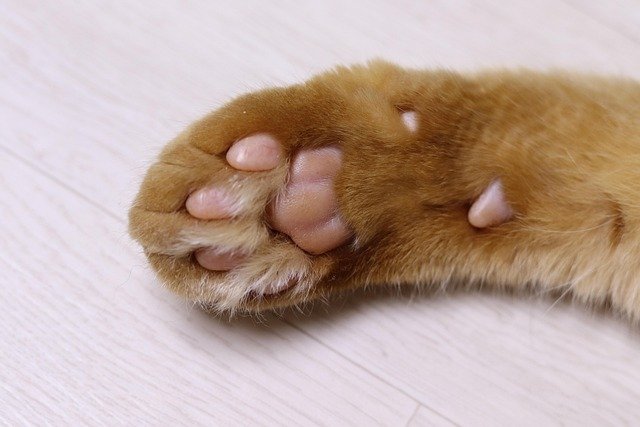
Toe beans are not just soft cushions for walking; they are complex structures made of thick skin, fatty tissue, and a dense layer of connective fibers. When I press a calm cat’s paw during grooming, I can feel how firm yet flexible it is, almost like a built-in shock absorber. Each pad sits under a toe bone, so it carries weight with every step the cat takes forward. I have handled about 40 cats in a single busy weekend before, and every one of those paws tells the same anatomical story in a slightly different way.
There are different types of pads on a cat’s paw, including the digital pads on each toe and a larger central pad that handles most of the impact. Once, a tabby in my van kneaded the grooming towel so intensely that I could watch each pad engage independently—a reminder that even the most relaxed movements are deliberate and controlled. That’s why soft padding matters.
Each pad also contains nerve endings that help cats sense pressure, temperature, and texture. I notice this most when I place a cat on different grooming surfaces, such as rubber mats or soft towels. Their reaction changes slightly depending on how the surface feels under those toe beans. It is subtle, but once you see it enough times, you start recognizing patterns in their movement.
Why Cats Rely on Toe Beans for Movement and Balance
Toe beans are not just for comfort; they are essential for movement control. Cats walk in a way that distributes weight quietly, and those pads help absorb impact so they can land without making noise. I have seen indoor cats jump off grooming tables about waist height, and they land so softly that the table barely shifts. That kind of silent landing depends heavily on those padded structures working correctly.
In my grooming van, I use non-slip surfaces because cats depend on traction from their paw pads more than people realize. A few months ago, I worked with a nervous rescue cat that kept slipping on a smooth surface; once I switched to a textured mat, its behavior changed almost immediately. That small adjustment made the entire grooming session calmer for both of us.
One reason toe beans are so effective is the combination of grip and sensitivity. Cats can adjust how much pressure they apply with each step, which helps them climb, jump, and balance in narrow spaces. I once watched a client’s cat walk along a fence that was barely wider than a phone, and it moved with full confidence. The paws were doing more work than the eyes in that moment.
If you ever want a better sense of how paw care affects mobility, I sometimes recommend checking trusted resources like Why Do Cats Have Toe Beans, where owners can get a clearer idea of how grooming routines and paw health connect. I have seen cats become noticeably more cautious in movement when their pads are dry or slightly cracked, and simple care routines often improve that within days. It is one of those areas people overlook until it becomes a problem.
The Evolutionary Role Behind Toe Beans
From what I have seen working with indoor, outdoor, and rescue cats, toe beans are among the most consistent features across all types. That consistency comes from evolution rather than appearance. Cats needed silent movement to hunt effectively, and padded feet gave them that advantage long before they became household pets. I have worked with over 300 cats in grooming environments, and the structure of those pads changes little across breeds.
Cushioning from toe beans reduces joint stress during repeated jumps and landings. For example, I once groomed an older, 12-year-old cat that still climbed counters. The owner noted some slowing with age, but its confidence remained—thanks to its paw pads absorbing most of the strain. Age doesn’t erase their importance.
Toe beans also play a role in scent marking, which is something many owners do not realize. Cats have scent glands in their paw pads, and when they scratch or knead surfaces, they leave behind subtle chemical signals. I have clearly seen this behavior in multi-cat households, where one cat repeatedly returns to the same scratching post while others avoid it.
Toe beans provide cats with essential sensory input for hunting instincts. These pads allow cats to detect vibrations through surfaces, which is why even indoor cats sense subtle movements from outside or under furniture. I have repeatedly seen cats react mid-grooming to faint vibrations, underscoring the constant sensitivity provided by their toe beans.
Caring for Toe Beans in Everyday Life
Most owners do not think about paw care until something looks wrong, but toe beans benefit from simple attention. I check paws during almost every grooming session, and small issues like dryness or tiny debris between pads are more common than people expect. One winter, I noticed several cats coming in with slightly cracked pads after walking on cold tile floors at home.
Maintaining healthy toe beans is key to feline comfort and mobility. Hydration and gentle cleaning make a noticeable difference, especially after outdoor exposure. Simple routines, like wiping paws in dusty or rough areas, can result in happier, more comfortable cats who move easily on hard surfaces.
Some cats are sensitive about having their paws touched, and I fully respect that. During my grooming time, I sometimes spend 10 to 15 minutes just getting a cat comfortable with paw handling before I even start cleaning. Rushing that step usually leads to stress and makes the whole process harder than it needs to be.
Toe beans are small but carry a lot of responsibility in a cat’s daily life. They play a role in movement, balance, and sensory input—always working, even when a cat appears still. Years of grooming have taught me to read a lot from those tiny pads; they rarely lie about a cat’s mood.