
I run a small dog boarding setup where I handle different breeds every week, and food questions come up all the time. Beef jerky is one of those snacks people assume is safe because it looks like a simple meat treat. I’ve seen owners hand it over casually without thinking twice, and I’ve also seen dogs react badly to it. Over time, I’ve learned it’s not a simple yes-or-no situation.
Why Beef Jerky Seems Harmless but Isn’t Always
Beef jerky looks like a protein treat, so many owners feel comfortable offering it. Because it smells like meat, and dogs are excited, I’ve had dogs sit perfectly still waiting for a piece to drop.
The issue starts with how it’s made. Most commercial jerky is heavily seasoned, and the salt content is usually much higher than what dogs should regularly consume. I once had a medium-sized mixed breed stay with me for a weekend, and after eating a small piece of human jerky, he drank water nonstop for hours.
Not all jerky is equal. Some brands add garlic, onion powder, or sugar-based marinades, and I don’t want those ingredients anywhere near a dog’s diet. Even small amounts can cause digestive irritation depending on the dog.
That’s why I never assume it’s automatically safe just because it’s meat.
What I Tell Owners Before They Give It
I always start by checking the label. If I can’t clearly identify what’s inside, I don’t recommend it for dogs. Simplicity matters most here.
Some owners ask me for trusted reading before deciding, and I sometimes point them toward “Can You Give Dogs Beef Jerky?” so they can see how different ingredients and preparation styles affect safety in real situations.
I also talk about portion size. Even safe dog jerky should be given in small amounts. I’ve seen dogs treat it like a meal if allowed, and that quickly becomes a stomach issue waiting to happen.
I keep it simple with one rule. If I didn’t confidently break it into tiny training pieces, I wouldn’t hand it out freely.
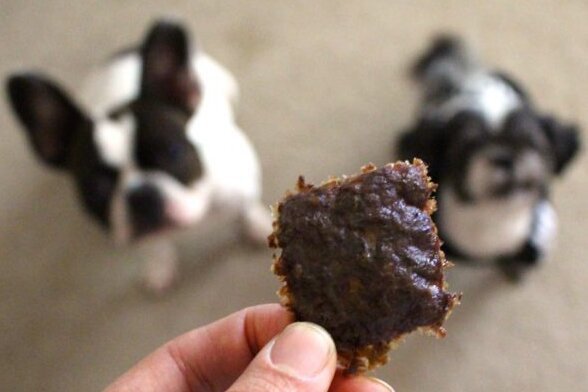
How Dogs React When It Doesn’t Sit Well
Not every dog reacts the same way. Some handle small amounts without any visible change. Others show signs within a few hours, especially if the jerky is high in salt or seasoning.
I’ve had dogs develop mild stomach upset after eating flavored jerky. It usually presents as loose stools or a drop in appetite the next day. One older Labrador I boarded refused breakfast after getting a few pieces from his owner the night before.
In more sensitive dogs, I’ve seen increased thirst and restlessness. Symptoms like heavy drinking, pacing, and odd behavior often signal salt or seasoning overload. They pace more, drink frequently, and seem a bit off compared to their normal behavior. It doesn’t always escalate, but it’s enough to make me cautious moving forward.
Reactions are unpredictable enough that I treat them as an occasional risk rather than a regular treat option.
What I Use Instead of Beef Jerky
I use treats made specifically for dogs. They’re simpler, with fewer additives, and easier to break into small pieces, reducing uncertainty.
When I train dogs during boarding stays, I often use single-ingredient treats like dehydrated chicken or plain beef strips made for pets. They behave the same way as jerky in terms of reward value, but without the heavy seasoning.
I also sometimes use fresh food rewards. Small pieces of boiled chicken or plain cooked beef work just as well in training sessions and don’t carry the same salt concerns.
Consistency matters more than novelty. Dogs respond just as strongly to simple rewards once they get used to them.
Where I Draw the Line With Human Snacks
I don’t allow most human jerky in my setup at all unless I’ve checked it carefully. The ingredient list is the deciding factor, not the brand name or appearance. If there’s any spice blend or added flavoring, I skip it.
I also avoid giving jerky to puppies and senior dogs. Their systems are more sensitive, and even small dietary changes can affect them more quickly than in healthy adults. I learned that after a young pup had mild diarrhea following a tiny piece during a feeding trial.
Storage and freshness matter too. Jerky that’s been sitting open for a while can become dry to the point of being hard to chew, which creates a choking risk for smaller dogs. Stale or excessively dry jerky also increases the chance of dental damage or mouth injury.
Simple food choices tend to cause fewer problems. That’s been consistent across every dog I’ve handled.
I’ve come to see beef jerky as something that sits in a gray area. It can be fine in very controlled situations, but I don’t treat it as a regular or safe default snack for dogs in my care.