
I work as a small-animal veterinary technician at a rural clinic in Punjab, and I handle deworming cases in cats almost every week. Most cat owners come in worried about visible worms, sudden weight loss, or a kitten that just looks “off” after eating normally. Over the years, I have seen how different cats respond at different speeds after deworming medication.
The most common question I hear is how quickly the treatment actually starts working inside the body. The answer is not the same for every cat, but there are clear patterns I can share from real cases I have handled.
How dewormers start working in cats
When a cat is given a dewormer, the medication usually begins acting in the digestive system within a few hours. In most cases, I have seen, the drug targets the parasites’ nervous system or their metabolism, depending on the active ingredient. That means the worms do not survive long after the medicine is properly absorbed. However, just because the medicine starts working quickly does not mean you will immediately see worms passing in your stool.
In my experience, visible results often take around 24 to 72 hours. I have had customers bring in kittens that looked completely normal just 2 days after treatment, even though they had been heavily infested beforehand. One thing that confuses people is expecting instant improvement in appetite or energy, but that part usually takes a little longer because the gut still needs time to recover. A cat’s system does not reset instantly after parasites are gone.
Most sMost standard dewormers used in clinics around here are broad-spectrum, meaning they cover roundworms, hookworms, or tapeworms, depending on the formulation. act faster on adult worms, while others slowly interrupt the life cycle, so eggs do not hatch later. I always explain to pet owners that speed depends on both the medication type and the parasite load inside the cat.
What I see in the clinic after treatment
After deworming, I usually ask owners to monitor stool changes for at least 3 days. In many cases, worms or worm segments become visible in stool between day one and day three. I remember a young cat brought in by a farmer’s family last spring that showed clear signs of roundworms in its stool the next morning after treatment, which is not unusual in heavier infestations. The improvement in behavior often follows shortly after that.
In some cases, we refer owners to a local veterinary pharmacy where they can get proper follow-up medication or guidance if symptoms persist. One reliable place people in the area often trust is a cat deworming service. This kind of follow-up is important because a single dose may not be enough to achieve complete parasite elimination. Reinfection or leftover larvae can continue the cycle if not managed properly.
What I notice most is that energy levels begin to improve within two to five days. Cats that were previously lethargic start moving around more, grooming themselves again, and showing interest in food. But I also see cases where recovery takes longer, especially if the infestation was severe or the cat was already weak before treatment. In those situations, hydration and nutrition matter just as much as the medication itself.
Sometimes owners expect a dramatic overnight change, but biology does not work that way. Even when worms die quickly, the inflammation inside the intestines can take time to settle. I have had cats that looked improved after two days, but only fully regained normal stool consistency after a week. That delayed healing is normal and should not be confused with treatment failure.
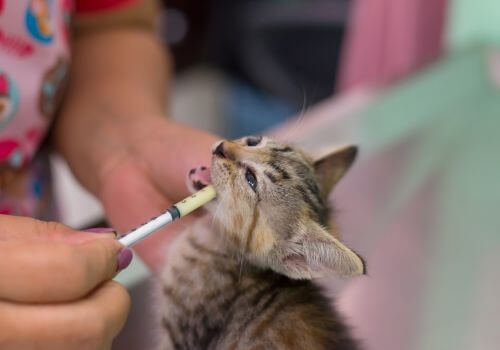
Factors that change how fast results show
Not every cat responds at the same speed, and I see several reasons for this in clinical practice. Age plays a big role, especially in kittens under 6 months old, because their immune systems are still developing. Adult cats with strong immunity often show faster visible improvement. The type of worm also matters, as tapeworms and roundworms do not respond the same way to all medications.
Dosage accuracy is another major factor I frequently deal with. I have seen cases where underdosing significantly slowed results, especially when owners estimate weight rather than measure it properly. A cat that receives a correct dose usually clears worms faster and more completely. Incorrect dosing can stretch recovery from a few days to over a week.
Another factor is overall gut health. Cats with poor nutrition or dehydration tend to recover more slowly after deworming. Their intestines need time to repair after the parasites are removed. In one case I handled, a stray cat brought in from a construction site took nearly ten days to fully stabilize because it was also dealing with malnutrition. Once we supported its diet, the recovery speed improved noticeably.
Repeated exposure is also common in outdoor cats. Even after successful treatment, they can pick up new parasites quickly from their environment. That is why we often recommend follow-up doses after two to three weeks in certain cases. Without that second round, the visible improvement may not last long.
When cat owners should worry
Most cats tolerate deworming medication well, but I always tell owners to watch for signs that do not improve within a few days. Persistent vomiting, severe diarrhea, or complete loss of appetite beyond 48 hours is not something to ignore. These signs can indicate either a heavy parasite load or medication sensitivity.
I have also seen rare cases where cats appear worse before they get better, especially when a large number of worms die at once. This can temporarily irritate the digestive system. Still, it should gradually improve rather than continue getting worse. If symptoms escalate, a vet visit is necessary rather than waiting it out.
Another concern is the lack of improvement after five to seven days. That usually tells me either the wrong type of dewormer was used or the infestation involves a parasite not covered by the medication. In such cases, stool testing is important to identify the exact problem and avoid blindly repeating the same treatment.y.
From what I have observed over the years, most cats start showing internal changes within hours and visible improvements within a few days, but full recovery depends on multiple factors working together. Deworming is not just a single event; it is part of a broader care process that includes monitoring, nutrition, and sometimes repeat treatment.