
I run a small home-based dog boarding setup, and over the years, I’ve had to spot health issues quickly before they turn into bigger problems. Urinary tract infections are one of those things that don’t always show up loudly at first. I’ve had dogs arrive looking perfectly fine, then start showing subtle signs within a day or two. Catching it early has saved me a lot of stress and helped the dogs avoid serious discomfort.
The First Signs I Notice During Daily Routines
I don’t rely on a single signal. It usually starts with behavior changes during bathroom breaks. If a dog suddenly squats five or six times in one walk with little urine, I notice right away.
Frequency is a big clue. I had a small terrier stay with me last autumn, who asked to go outside every hour, which was unusual compared to his normal schedule of three or four times a day. That shift alone made me start watching him more closely.
Indoor accidents are another red flag. Even well-trained dogs may leak or have small puddles if something’s wrong. I’ve learned not to blame stress; it’s often physical.
Changes in Urine That I Take Seriously
I check what’s visible. Color and smell reveal a lot. Cloudy urine or a strong, sharp odor makes me suspect a UTI.
Blood is undeniable. Even a faint pink tint prompts me to take action, because it can escalate quickly. I don’t delay when I see this sign.
Some owners ask me how they can double-check things themselves, and I sometimes suggest reading through how to tell if my dog has a UTI, so they understand what to look for at home without guessing or missing early signs.
I note how long it takes a dog to urinate. Straining for more than a few seconds without much output is never normal, especially if it repeats.
Behavior Changes That Point to Discomfort
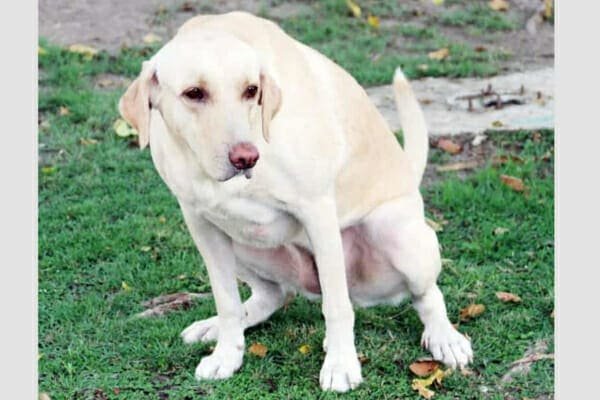
Dogs don’t always show pain clearly. Some get quiet. Others become restless and can’t settle in their usual sleeping spot.
A Labrador mix once paced for nearly 20 minutes before settling, then got up again shortly after. That restlessness often signals discomfort, and in his case, it was a mild UTI.
Licking is another thing I watch. If a dog starts focusing on the genital area more than usual, especially in short repeated bursts, I take that as a sign that something feels wrong. It’s not always an infection, but it rarely means nothing.
Appetite changes can show up, too. A dog skipping one meal is not unusual, but skipping two in a row, along with other signs, makes me connect the dots quickly.
When I Stop Observing and Call a Vet
I act fast. If I see two or three signs within 24 hours, I call the owner and recommend a vet. Waiting doesn’t help.
Severe symptoms speed things up. Visible blood, constant straining, or signs of pain like whining make me contact a vet right away. Early treatment is easier than fixing a bad infection.
Puppies and seniors get special attention. Their systems respond differently, and UTIs hit them harder than they do healthy adult dogs. I don’t risk their health.
Male dogs can be trickier. Blockages are rare but serious, and struggling to pass urine is urgent. That’s a situation where delay is dangerous.
What I Do While Waiting for Proper Treatment
I never try to treat a UTI myself. Guesswork makes things worse. I focus on keeping the dog comfortable until they see a vet.
Water intake is key. I encourage drinking by refreshing bowls often or adding a little water to food. Small steps help while we wait for care.
I increased bathroom breaks, taking them out six or seven times a day instead of three to reduce discomfort and prevent accidents. It’s extra work, but it makes a difference.
Cleanliness matters too. I keep bedding dry and clean, especially after accidents, because irritation can build up quickly if the area stays damp.
Spotting a UTI early comes down to noticing small shifts, not waiting for obvious signs. Most dogs give hints if you watch closely, and early moments make the biggest difference.