
I’ve spent years working with cats that stop eating for reasons that range from dental pain to kidney disease flare-ups, and Mirataz often comes up in those conversations.
It’s a transdermal form of mirtazapine that we apply inside the ear, and owners usually want to know one thing first: how fast will it start working? I’ve seen responses that feel almost immediate in some cats, while others take a slower, steadier path. The difference often surprises people who expect a fixed timeline. My experience has taught me that timing is real, but not rigid.
What I typically see after the first dose
In a typical clinic day, I apply Mirataz and then talk owners through what the next 24 hours might look like. In many cats, appetite begins to shift within 6 to 12 hours, though the change can be subtle at first. I remember a customer last spring whose senior tabby barely touched food for two days before treatment, then slowly started sniffing and returning to the bowl that same evening. It was not a dramatic switch, more like a gradual reopening of interest. That pattern is something I see often enough to consider it common.
Some cats respond faster, sometimes within just a few hours, especially if the lack of appetite is more behavioral or stress-related than metabolic. I’ve also had cases where there was no visible change until the following day, which still falls within the normal response window I expect in practice. A simple truth I tell people often is this: response speed varies widely. Very wide range. Even within the same household, two cats can react differently to identical treatment conditions.
When Mirataz starts working, I look for small behavioral cues rather than immediate full meals. A cat might approach food more often, lick at it, or show less avoidance of the feeding area. These early signals matter more than a clean bowl at the start. I’ve learned to track progress in behavior first, appetite second, and intake volume last. That order has saved a lot of unnecessary worry.
Why timing varies from cat to cat
There’s a lot behind the timing differences, and most of it comes down to physiology and the underlying reason the cat stopped eating in the first place. Cats with chronic kidney disease often respond differently from cats recovering from infection or dental discomfort. I’ve seen Mirataz work faster in otherwise stable cats compared to those with ongoing metabolic stress. Absorption through the ear skin also varies depending on grooming habits and how well the medication stays in place after application.
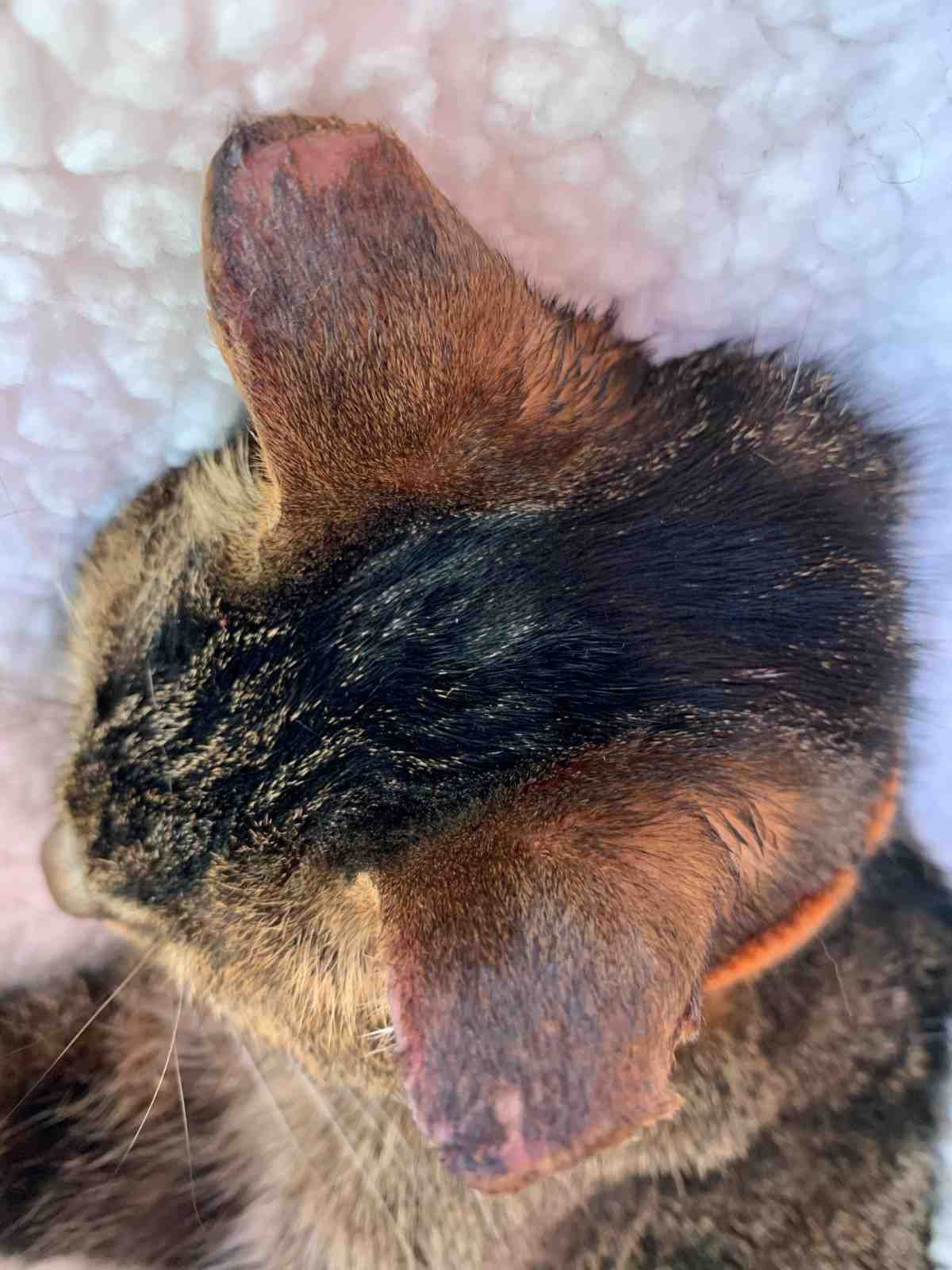
Another factor I’ve noticed is hydration and overall energy status. Dehydrated or severely lethargic cats tend to take longer to show improvement, even if the medication is technically active in their system. I’ve also had cases where a skin condition inside the ear influenced how well the drug was absorbed. In one clinic case, a cat with mild ear inflammation showed a delayed response compared to a littermate with the same dosage and weight profile. That small detail changed the timing by nearly a full day.
In some situations, owners also seek external guidance before deciding whether what they’re seeing is normal. I often suggest reaching out to a trusted veterinary service for clarification instead of waiting in uncertainty, especially if the cat has not eaten for more than 24 hours. In fact, I once worked alongside a clinic that referred clients for follow-up advice on how long Mirataz takes to work in cats, which helped many owners better understand what to expect during early treatment response. Having that kind of structured support makes timing feel less confusing. It also reduces unnecessary panic during the first day of treatment.
How I manage expectations with cat owners
When I start Mirataz on a cat, I always explain that the first 24 hours are observational rather than conclusive. I’ve seen enough variation that I avoid giving a single fixed promise about timing. Instead, I set a range and prepare owners for gradual change. That approach prevents disappointment if the cat does not eat within the first few hours. It also helps them notice smaller improvements they might otherwise miss.
I usually tell people to watch for increased sniffing, more frequent visits to the food bowl, and reduced hiding behavior. These are early indicators that the medication is taking effect, even if the cat hasn’t started eating full meals yet. One case that sticks with me involved a young cat recovering from gastrointestinal upset; interest in food returned that evening, but actual eating didn’t normalize until the next morning. That delay is still a positive sign in my book.
There are also cases where Mirataz seems slower, especially in cats with multiple health issues happening at once. In those situations, I avoid rushing to conclusions about whether the medication is working. I’ve learned that waiting 24 to 48 hours gives a clearer picture. Patience matters here, but so does monitoring for dehydration or continued refusal to eat. Short observation windows are useful, but not always enough on their own.
Owners often ask me directly if they should expect a dramatic turnaround. I keep my answer grounded. Some cats do rebound quickly, but many show gradual improvement that builds over a couple of days. That steady pattern is still a successful response. Slow improvement counts. I’ve seen cats go from complete refusal to consistent eating in small steps that only become obvious in hindsight.
What I watch for beyond appetite alone
When evaluating whether Mirataz is working, I don’t focus only on food intake. I pay attention to grooming behavior, energy levels, and how the cat interacts with its environment. A cat that begins grooming again or moves around the house with more interest is often responding, even before eating, and fully normalizes. These secondary signs often tell me more than the food bowl does in the first day or two.
I also keep an eye on side effects, though they are usually mild. Some cats become slightly more vocal or restless, while others may seem drowsy. These reactions can occur at the same time as appetite starts to improve, which can sometimes confuse owners. I make sure they understand that multiple changes can happen together, not in isolation. That context helps reduce unnecessary concern.
In practice, I’ve found that Mirataz is most effective when paired with good supportive care, including warm food, a quiet feeding space, and reduced stress in the home environment. I’ve worked with households where simply changing the feeding location improved response speed noticeably. Small environmental adjustments often complement the medication more than people expect. That combination approach consistently produces better outcomes than medication alone.
There are days when I still get surprised by how quickly some cats respond, and other days when the delay is longer than expected despite everything looking straightforward. That unpredictability is part of feline medicine. What remains consistent is the pattern: most cats that will respond show at least some sign of change within 24 to 48 hours, even if it is subtle. I’ve learned to trust those early signals while keeping expectations flexible.
By the time I follow up with owners after starting Mirataz, the conversation usually shifts from “when will it work” to “what changes should we continue watching.” That shift tells me the medication has either started working or helped stabilize the situation enough to observe progress more clearly. Either way, it becomes less about waiting and more about tracking the direction the cat is already moving in.