
I work as a mobile pet behavior consultant, mostly dealing with cats that have learned biting as a way to communicate or defend themselves. Most of my calls come from homes where the cat started out playful, but the biting slowly became a real problem during feeding, petting, or even simple movement around the house.
Over the years, I’ve seen that this behavior is rarely about aggression alone, but rather about mixed signals between humans and animals. One customer last spring told me her cat would gently bite whenever she tried to pick it up, which eventually turned into harder bites.
Understanding Why Cats Bite in the First Place
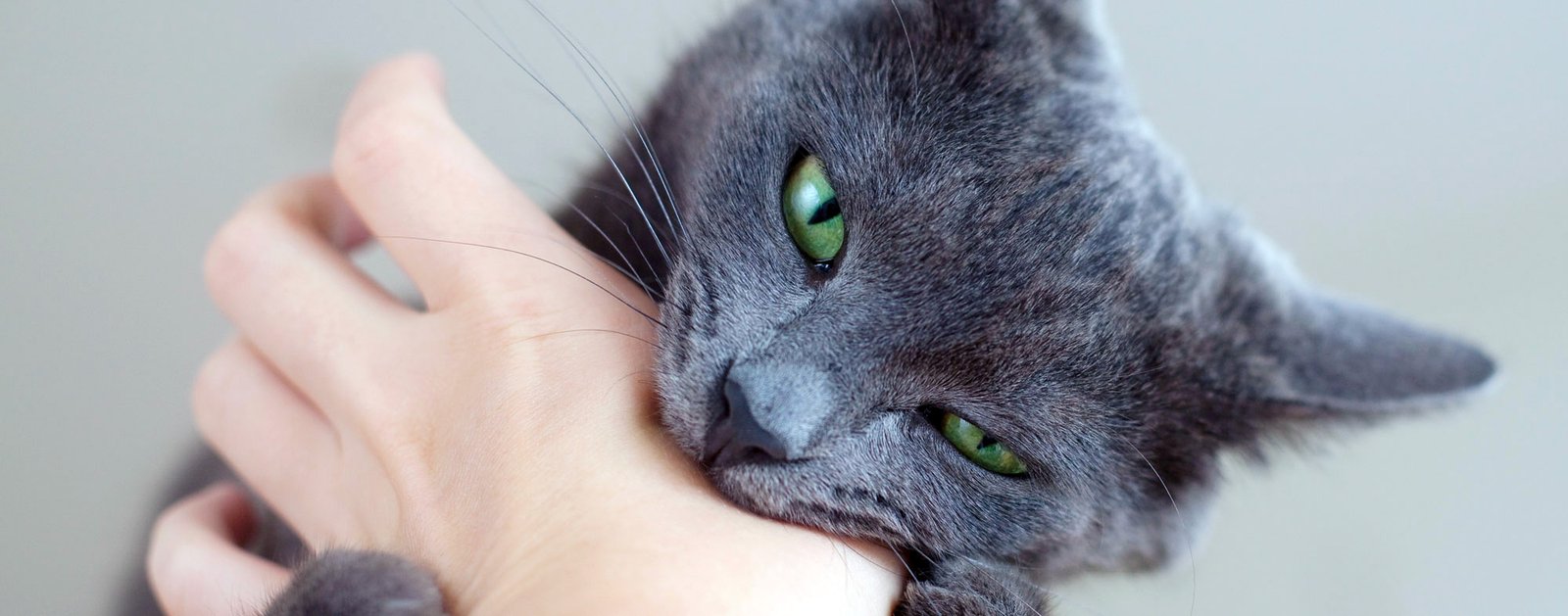
Before I work on stopping biting, I always try to understand what the cat is trying to communicate. In many homes I visit, biting starts during play when hands are used like toys, which confuses the cat about boundaries. A cat does not naturally separate skin from toys unless it is taught early through consistent feedback. I once had a case where a young cat learned biting from rough play with children who didn’t realize they were reinforcing the behavior.
Stress is another common trigger I see, especially in households with loud environments or frequent visitors. Cats can bite when they feel cornered or overstimulated, even if the interaction looks harmless to us. One home I worked in had a cat that only bit during evening gatherings because the noise level made it uncomfortable. This kind of pattern helps me pinpoint that the behavior is situational, not random.
Some biting also comes from overstimulation during petting, which many owners misunderstand. A cat may enjoy attention at first but reach a limit quickly, and biting becomes a way to signal “stop.” I always tell people to watch tail flicks, ear movement, and sudden body tension. These small signals usually appear seconds before a bite, and catching them early changes everything.
Setting Boundaries Through Consistent Training
Once I understand the cause, I focus on rebuilding communication between the cat and the owner. I usually start by removing any situations where hands are used as toys, because that alone resets many habits. Instead, I introduce wand toys or soft objects that create distance between skin and play.
A local pet shop I often recommend, Cat Training Tools, has simple interactive toys that make this transition easier for most families I work with. The goal is to make biting the wrong target feel unrewarding and