
I run a mobile grooming van in Florida, and I spend most of my week parked outside apartments, townhomes, and the occasional suburban driveway, dealing with pet hair in real time. One question I hear almost every other appointment is whether there are cat breeds that don’t shed at all. I usually answer that there are low-shedding cats, but no cat is truly hair-free. Over the years, I have learned that expectations matter more than the breed name on paper.
What shedding really looks like in cats
Most people imagine shedding as piles of fur everywhere, but in my experience, it is more subtle than that. Even low-shedding cats still shed daily, just in smaller amounts that cling to fabric or float around unnoticed. I have worked on homes where owners insisted their cat “does not shed,” yet my grooming table told a different story. A customer last spring had a gray couch that quietly collected a full layer of fine hair without anyone realizing how quickly it built up.
The biology behind shedding is simple, and I explain it often as I set up my tools in tight living rooms. Cats replace old hair with new growth, and this cycle never stops, regardless of breed or coat type. Some cats just hold onto the loose hair longer until grooming or movement shakes it free. Short-haired cats can still surprise people with how much they actually release over a week.
Not every coat behaves the same way, and that is where confusion usually starts. Environmental factors such as indoor heating, sunlight exposure, and even stress can alter shedding patterns. I have seen cats living in small apartments shed differently than outdoor cats of the same breed. There is no switch that turns shedding off completely.
Breeds often labeled as low-shedding
When I am working in neighborhoods with many allergy concerns, I hear certain breed names more often than others. Breeds like the Siberian, Balinese, and Sphynx come up frequently because they are believed to shed less or produce fewer allergens. I always remind clients that “less shedding” does not mean “no maintenance.” During one appointment, a client compared three cats in the same household and still found hair on every surface despite choosing so-called low-shedding breeds.
On busy grooming days, I sometimes have to coordinate equipment setups and client discussions simultaneously, and that is where scheduling and service resources matter. Many owners try to compare grooming routines online before deciding what breed fits their home, and I often point them toward ” there are cat breeds that don’t shed as a general reference point while they figure out what level of maintenance they are ready for. The reality is that grooming frequency often matters more than breed choice. A well-maintained coat usually sheds less visibly, even if the biological shedding still happens underneath.
The Sphynx is the breed people bring up most when they think of no shedding at all, and I understand why. It is hairless, but that does not mean it is maintenance-free. I have cleaned the skin oils off Sphynx cats, which require more routine care than some long-haired breeds. The idea of a zero-shed cat is more marketing language than a biological fact.
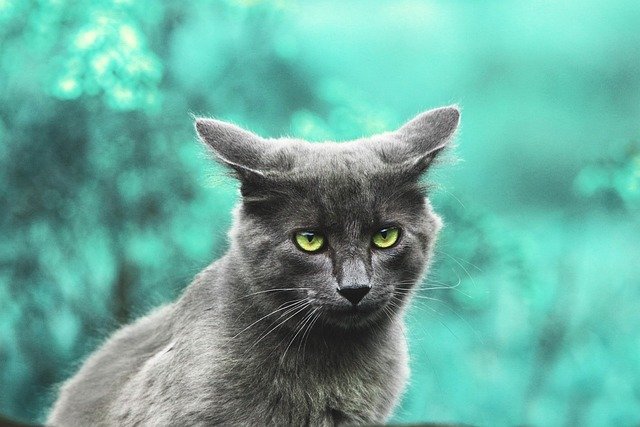
Some semi-long-haired breeds, like the Russian Blue or Cornish Rex, are also often included in the same category. They do tend to leave less visible hair around the house, especially compared to heavy shedders like Persians or Maine Coons. Still, I have swept enough grooming vans after Rex appointments to know that “less” is the correct word, not “none.”
How grooming changes the shedding experience
In my mobile van, I see the difference grooming makes more clearly than anything else. A regularly brushed cat releases loose hair in controlled amounts, rather than spreading it across furniture and carpets. When owners skip grooming for weeks, even low-shedding breeds suddenly appear to shed more. It is not a change in biology; it is just a buildup.
I once worked with a couple who had two indoor cats and were convinced one was “shedding too much.” After a few sessions, I noticed both cats were producing similar amounts of loose fur, but only one was being brushed at home. That uneven grooming routine created the illusion of a problem breed. Once both cats were on a simple brushing schedule, the issue disappeared.
Tools matter more than people expect, especially for short-haired cats that seem low-maintenance. A soft rubber brush used a few times a week can dramatically reduce loose hair. I keep a small set of grooming tools in every van because I never know what coat type I will be working with next. Consistency is what actually changes the result, not the breed name.
Living with the idea of “low-shed” cats
Most clients I meet are not really looking for a cat that never sheds. They want a home that feels clean and manageable, without constant lint-rolling. That is a realistic goal, but it depends more on habits than expectations about breed traits. I have seen homes with high-shedding cats that stay surprisingly clean because grooming is part of the weekly routine.
Allergy concerns add another layer to the conversation, and I always approach that carefully. People sometimes assume a low-shedding cat will automatically solve allergy problems, but allergens come from proteins in saliva and skin, not just hair. I have worked with families whose symptoms improved with grooming but did not completely resolve. The improvement often comes from reduced airborne dander, not the absence of fur.
Space also plays a role in how shedding is perceived. In smaller apartments, even minimal shedding becomes noticeable because there are fewer places for hair to settle. In larger homes, the same amount of shedding can go unnoticed for longer periods. I notice this difference clearly when I move from city apartments to suburban homes in a single day.
After years of working inside people’s homes and around their pets, I have stopped thinking in terms of “non-shedding” cats. I think in terms of manageable coats and realistic routines. The cats that seem easiest to live with are usually the ones whose grooming needs match the owner’s consistency, not the ones with the lowest-shedding reputation.