
From the Perspective of a Small-Animal Veterinarian
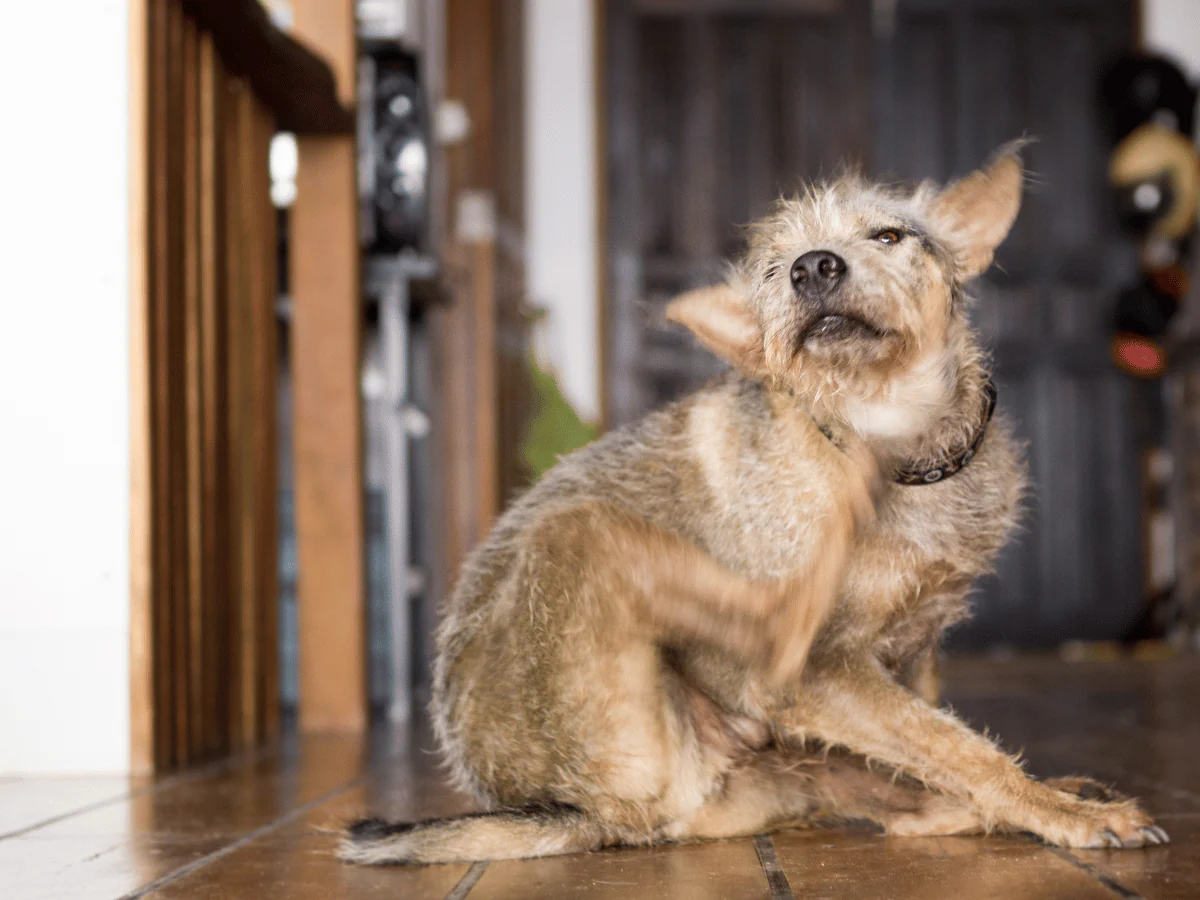
I’ve treated a lot of itchy dogs over the years, and very few arrive with just “a little scratching.” By the time I see them, they’re often missing patches of hair, the skin is red or scabby, and both the dog and the owner look exhausted. I’m a small-animal veterinarian who has spent most of my career in general practice, and I’ve learned that itching and hair loss are rarely “just dryness.” They usually have a cause — allergies, fleas, infections, mites, stress, or sometimes diet issues.
I want to be honest from the start: home remedies can help, and I’ve seen them make a big difference, but they are not a replacement for proper diagnosis if your dog is in real distress, bleeding, or rapidly losing hair. I’ve also seen situations made worse by well-meaning owners trying random internet tricks. My goal here is to help you identify what’s reasonable to try at home, and when I’d strongly suggest getting your dog seen.
Start with the simplest problem: fleas and external irritants.
One of my first patients after I graduated was a terrier who had chewed nearly the entire backside of his thighs bald. His family was convinced he had a severe “skin disease.” He had a mild flea infestation. That dog’s entire problem was a flea allergy. One bite could set him off scratching for days.
Before trying fancy solutions, I always tell people to do three things:
- Make sure your dog is on reliable flea prevention
- Wash bedding, blankets, and soft crates
- Comb through the fur with a fine flea comb over a white towel
If I pull the comb back and see what looks like “coffee grounds” that smear reddish-brown when wet, I’m already thinking flea dirt. No amount of coconut oil or oatmeal baths will help a flea-allergic dog if the fleas are still present. I’ve seen owners spend several months trying “natural” sprays while the dog kept shredding his skin.
Flea control is the real remedy there. Everything else is just comfort care.
Oatmeal baths — simple, cheap, and often surprisingly effective
I’ve used medicated shampoos in the clinic for years, but I still recommend a plain oatmeal bath as one of the safest at-home options. I’ve watched anxious dogs relax visibly in the tub when the itch finally settles down. Colloidal oatmeal soothes inflammation and doesn’t strip oils aggressively like harsh soaps.
What works best in my experience:
- Use lukewarm water, not hot
- Let the lather sit on the skin for several minutes
- Rinse thoroughly and dry gently, without vigorous rubbing
I once worked with a family who bathed their Lab every two days using dish soap because they thought it “cleaned deeper.” The poor dog’s skin barrier was destroyed. Switching them to gentle oatmeal baths and spacing them out stopped half the itching within a couple of weeks.
Overbathing is a widespread mistake. If your dog’s hair is already falling out, avoid daily shampoos unless a veterinarian explicitly recommends them.
Fatty acids and diet tweaks that actually matter
I’m cautious about miracle diet claims, but I’ve seen omega-3 fatty acids make a visible difference in dry, flaky skin and chronic itching. Not overnight — usually gradually over several weeks.
Where owners go wrong is assuming any “skin and coat” label automatically helps. Many cheap supplements contain tiny amounts of active omega-3s. I usually suggest:
- Fish-based omega-3 supplements made for dogs
- Adding oily fish in moderation if your vet agrees
I remember an older Golden Retriever whose coat looked dull and thin, and his skin was constantly irritated. We ruled out parasites and infections. His family fed him a low-quality feed with very little fat. Improving the diet and adding omega-3s didn’t cure him magically, but his coat thickened, and the constant itching finally settled.
If your dog suddenly loses large patches of hair, diet alone is unlikely to be the cause — but it can support healing.
Aloe vera and coconut oil — helpful, but not cure-alls
People constantly ask me about these two remedies.
Coconut oil can help dry skin a bit and acts like a mild barrier. Aloe vera gel can soothe hot spots — as long as it is pure and your dog doesn’t lick it excessively. I’ve used aloe on localized irritated spots and watched dogs stop fussing at them long enough for healing to start.
Here’s the problem: I’ve also had cases where the entire dog was greased up in coconut oil, trapping moisture and yeast against the skin. That dog smelled like a bakery and was absolutely miserable.
My rule of thumb:
- Use small amounts
- Use them for small irritated patches, not the whole body
- Stop immediately if redness worsens or odor increases
If the skin smells sweet, rancid, or “corn chip-like,” that often means yeast infection — and that needs actual medication, not oil.
Addressing environmental allergies at home
Some dogs itch seasonally, just as some people sneeze. I see a surge of itchy dogs every spring and fall. If your dog chews paws, rubs its face, and licks constantly without obvious bald spots at first, pollen allergies are on the list of suspects.
Simple home steps that often help:
- Rinsing paws after outdoor play
- Wiping the coat down with a damp cloth
- Using an air purifier where your dog sleeps
I remember a shepherd mix whose belly would turn pink and itchy every early summer. We didn’t jump immediately to injections or heavy medication. The owner started wiping the dog down after yard time and washing bedding weekly. That alone didn’t fix everything, but the flares were much milder.
Antihistamines can sometimes help, but should never be started without veterinary guidance — they are not harmless for every dog.
Stress and boredom — the overlooked culprits
Not every bald patch is medical. I’ve treated dogs who over-groomed purely from stress, especially after routine changes. One anxious dog I saw began licking the same spot on his flank after his owners moved homes. There was no infection at first — he fixated on it.
Increasing mental stimulation, puzzle feeders, and predictable routines made a greater difference than any ointment. The hair eventually grew back once the licking cycle broke.
If your dog licks one spot obsessively but exams keep showing “normal skin,” don’t dismiss behavior as a factor.
When should home remedies stop immediately?
There are situations where I’d tell any client — even a long-time one — not to try to manage this at home:
- Open sores or bleeding areas
- Rapid swelling or pus
- Large circular bald patches
- Lethargy, weight loss, or appetite changes
- Blackened, thickened skin
- Itching so severe that your dog can’t sleep
Those often signal mange, bacterial infections, endocrine disease, or severe allergies. I once saw a bulldog whose owners kept applying home creams to a “rash” that turned out to be a deep skin infection. By the time I saw him, he needed several weeks of medication and careful wound management.
Home care should bring comfort. If things are getting worse, that’s your answer right there.

My honest short advice after years in practice
Try simple remedies first: oatmeal baths, flea control, environmental cleaning, paw rinses, and omega-3 support. Avoid layering every home remedy at once — I see that too often, and it makes diagnosis harder later.
If your dog is losing hair rapidly, smells bad, or can’t stop scratching, don’t wait months hoping apple cider vinegar or another trick will fix it. That delay is usually what turns a minor issue into a chronic one.
I’ve watched many itchy dogs feel better, and the ones who improve fastest usually have owners who balance common-sense home care with timely veterinary visits.
Itching isn’t just annoying for dogs — it defines their whole day. Helping them get relief is worth acting on sooner rather than later.