
Understanding Estrus and What Owners Should Expect
As a licensed veterinarian practicing in Texas for over a decade, I can tell you that few things surprise first-time cat owners more than a female cat’s behavior during her first heat cycle. I’ve had clients rush into my clinic convinced their cat was in pain, injured, or suddenly “losing her mind,” only to discover she was simply in estrus.
Female cat in heat behavior can be dramatic. It’s loud. It’s persistent. And if you’re not prepared for it, it can feel overwhelming. But from my experience, most of it is completely normal—and manageable with the right understanding.
The First Heat: Why Owners Are Caught Off Guard
Most female cats experience their first heat between 5 and 9 months of age, though I’ve seen it happen earlier in some breeds. I remember a young couple who adopted a kitten in the spring. By late summer, they brought her in because she had started yowling nonstop at night. They thought she was in pain.
She wasn’t.
She was rolling on the exam table, pressing her hindquarters up, and treading her back feet in place. Classic signs of estrus. Once I explained what was happening, you could almost see the relief on their faces. They’d been sleeping in shifts for three nights.
One thing I’ve found consistently: the vocalization is what alarms people most. This isn’t a normal meow. It’s a drawn-out, almost mournful yowl. Some cats do it primarily at night, which can make it especially stressful for owners.
The Behaviors That Define a Cat in Heat
In my exam room, the pattern is predictable. A female cat in heat will often:
- Vocalize excessively
- Become unusually affectionate or clingy.
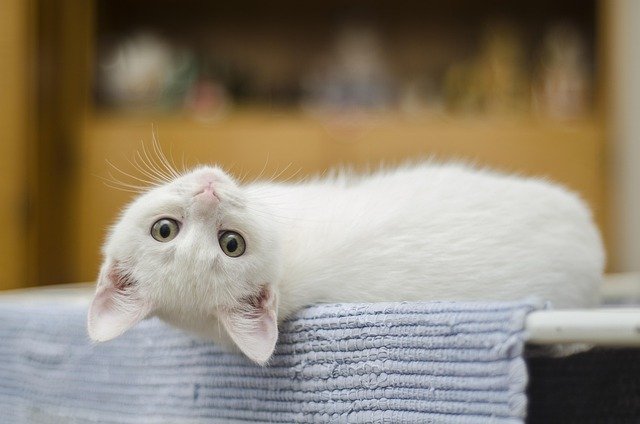
- Roll on the floor frequently.
- Elevate her hindquarters when petted.
- Attempt to escape outdoors.
- Spray urine in some cases.
The posture is particularly telling. If you stroke her lower back and she raises her hips with her tail to the side, that’s a strong indicator she’s in heat.
I once treated a normally aloof, independent cat who suddenly wouldn’t leave her owner’s side. The owner thought the cat had developed separation anxiety. In reality, hormonal changes were driving the shift. The affection wasn’t emotional insecurity—it was reproductive instinct.
The Escape Artist Phase
If there’s one behavior I strongly warn owners about, it’s the sudden drive to get outside.
A few years ago, a client called in a panic because her indoor-only cat had slipped past her children and disappeared. The cat had never shown interest in going outdoors before. She was in heat at the time.
Unspayed females are highly motivated to find a mate. They will scratch at doors, push through screens, and dart between legs faster than you expect. I’ve seen cats break through damaged window screens during estrus.
If your cat is in heat, double-check door latches and window screens. I can’t emphasize that enough.
The Cyclical Nature of Heat
Another point that surprises owners is how often this can happen. If a female cat isn’t bred, she doesn’t simply “finish” one cycle and return to normal for months. Cats are seasonally polyestrous, meaning they can cycle repeatedly during the breeding season.
In practical terms, that means you might see a pattern: about a week of intense behavior, a short quiet period, and then it starts again.
I’ve had clients who hoped the first heat was a one-time event. A few weeks later, they were back, exhausted and ready to schedule a spay.
Common Mistakes I See
Over the years, I’ve seen a few recurring missteps.
Some owners try to “comfort” the cat by letting her outdoors briefly, thinking a little fresh air will calm her. In reality, this increases the risk of pregnancy almost immediately. It only takes one successful mating.
Others assume that letting a cat have “just one litter” will permanently calm her down. In my experience, that belief creates more complications than solutions. Pregnancy and birth carry real medical risks, and there’s no guarantee her behavior will change long-term.
Occasionally, someone will ask if there’s medication to temporarily stop the heat cycle. While hormone treatments exist, I generally advise against using them casually. They can increase the risk of uterine infections and mammary tumors. Spaying is far safer.
Spaying: My Professional Perspective
I’m very clear with my clients: unless you’re an experienced, responsible breeder, spaying is the healthiest long-term choice.
Spaying eliminates heat cycles entirely. It dramatically reduces the risk of mammary cancer if performed early and completely prevents life-threatening uterine infections like pyometra. I’ve performed emergency surgeries on cats with pyometra, and those are situations I wish every owner could avoid.
I remember a middle-aged cat brought in lethargic and feverish. She had never been spayed. Her uterus was severely infected. The surgery was more complicated and riskier than a routine spay would have been years earlier. Thankfully, she recovered—but it was a stressful and expensive ordeal for her family.
In contrast, routine spay procedures in young, healthy cats are straightforward, and recovery is typically smooth.
Emotional Changes: Temporary, Not Permanent
One concern I often hear is that spaying will change a cat’s personality.
From what I’ve observed over hundreds of surgeries, a cat’s core temperament remains the same. If she’s affectionate, she’ll stay affectionate. If she’s playful, she’ll stay playful. What disappears are the hormone-driven behaviors—yowling, spraying, restlessness.
I’ve followed up with many clients months later, who tell me their cats seem calmer and more settled, but not “different.” That distinction matters.
Living With a Cat in Heat (If You’re Waiting)
Occasionally, owners need to delay surgery briefly for medical or scheduling reasons. In those cases, I recommend focusing on management:
Keep her strictly indoors.
Increase interactive play to help redirect restless energy.
Provide quiet, dark spaces where she can retreat.
Some cats respond to gentle petting or warmth, but there’s no reliable method to stop the cycle once it begins.
And yes, the noise can be intense. I’ve had clients use white noise machines at night to get through a heat cycle.
What I Tell Every New Kitten Owner
If you have a young female kitten, don’t wait for the first heat as a signal to act. Plan ahead. In my practice, we often schedule spay surgery before the first cycle whenever possible.
It spares both the cat and the household a great deal of stress.
Female cat in heat behavior isn’t an illness. It’s biology doing exactly what it’s designed to do. But understanding it—and making informed decisions about spaying—can prevent sleepless nights, accidental litters, and serious health risks down the road.
After years in veterinary medicine, I can say this with confidence: preparation and prevention are far easier than reacting to a crisis once hormones take over.