
I spent almost fifteen years working as a veterinary technician in a small animal clinic outside Pittsburgh, and I have sat with more families during euthanasia appointments than I can count. I have also gone through it myself twice, once with an aging Labrador and later with a rescue shepherd mix that had severe nerve damage.
The strange thing about losing a dog this way is that the grief often starts before the appointment even happens. People think the hardest moment is saying goodbye in the room, but for many of us, the difficult part begins weeks earlier when we realize our dog is slipping away.
The Guilt Hit Me Before the Loss Did
The first time I decided to put my own dog down, I barely slept for three nights. I kept changing my mind every few hours because she still had moments where she wagged her tail or wanted a treat. That made me question myself constantly. A lot of owners expect a clear sign, almost like permission, but it rarely happens that cleanly.
I remember a customer last spring who sat in our parking lot for nearly forty minutes before coming inside because she felt like choosing euthanasia meant she had failed her dog. I understood exactly what she meant. Most loving owners wait longer than they probably should because hope can be hard to separate from suffering. There is no perfect timing.
One thing that helped me was looking at patterns instead of isolated good moments. My Labrador still enjoyed small parts of her day, but she had stopped climbing stairs, greeting me at the door, and sleeping through the night without pain. A single decent afternoon did not erase the other twenty-three hours. Seeing the full picture mattered.
I still felt guilty afterward. That part surprised me. Even after years in veterinary medicine, I found myself replaying the decision in my head at two in the morning, wondering if I should have waited another week.
The Small Rituals Helped More Than I Expected
After my shepherd mix passed, I made the mistake of trying to return to normal too quickly. I cleaned up his blankets the same evening and packed away his leash the next morning. That felt practical at the time, but it left the house strangely hollow. Grief has a way of catching up when everything suddenly looks untouched.
A few months later, I started recommending simple rituals to clients because I realized how much structure matters after a loss. Some people make a photo album. Others keep the collar in a drawer or frame a paw print from the clinic. I once suggested that a retired couple write down ten funny memories from their dog’s life before the details faded, and they later told me it became something they reread every few weeks.
There are also support services that can help people process the loss more openly. One resource I have heard clients mention over the years is Lap of Love, especially for families who want in-home euthanasia or grief counseling afterward. Some people feel calmer saying goodbye on the living room floor instead of in a clinic exam room with fluorescent lights and barking dogs nearby. That choice can make a real difference.
I kept one odd habit after my Labrador died. Every evening around seven, I still walked around the block for almost two months because that had been our routine for years. It sounds minor, but maintaining one familiar part of the day gave my brain time to adjust gradually instead of all at once.
People Around You May Not Understand the Grief
This part catches many dog owners off guard. Some friends will understand immediately because they have been through it themselves. Others will say things that sound cold without meaning to. I have heard people tell grieving owners to “just get another dog” less than a week after a loss.
That advice usually comes from discomfort. Many people do not know how to respond to pet grief because society treats it differently from other kinds of mourning. I have seen grown men cry harder over a dog than they did at certain family funerals, then apologize for being emotional. They never needed to apologize.
My own father surprised me after my shepherd passed away. He grew up on a farm and was usually practical about animals, but he called me nearly every evening for a week just to check in. One short phone call mattered. Grief feels lighter when somebody acknowledges it directly instead of trying to rush you through it.
Some days are rough. Really rough.
The hardest moments often arrive unexpectedly. Months after losing my Labrador, I found one of her old tennis balls stuck behind a shelf in the garage while looking for a snow shovel. I sat on the floor for ten minutes afterward because the grief came back so sharply that it felt fresh again. Healing is uneven like that.
I Stopped Asking Whether I Waited Too Long
There is one question I hear constantly from grieving owners. Did I wait too long, or did I do it too soon? I asked myself both versions after each loss, and I have never met anyone who escaped those thoughts entirely. The mind searches for certainty after painful decisions, but this kind of certainty rarely exists.
Over time, I started looking at euthanasia differently. I no longer saw it as taking life away from my dogs. I saw it as preventing suffering that they could not explain to me with words. That shift took years, and honestly, I still struggle with it occasionally.
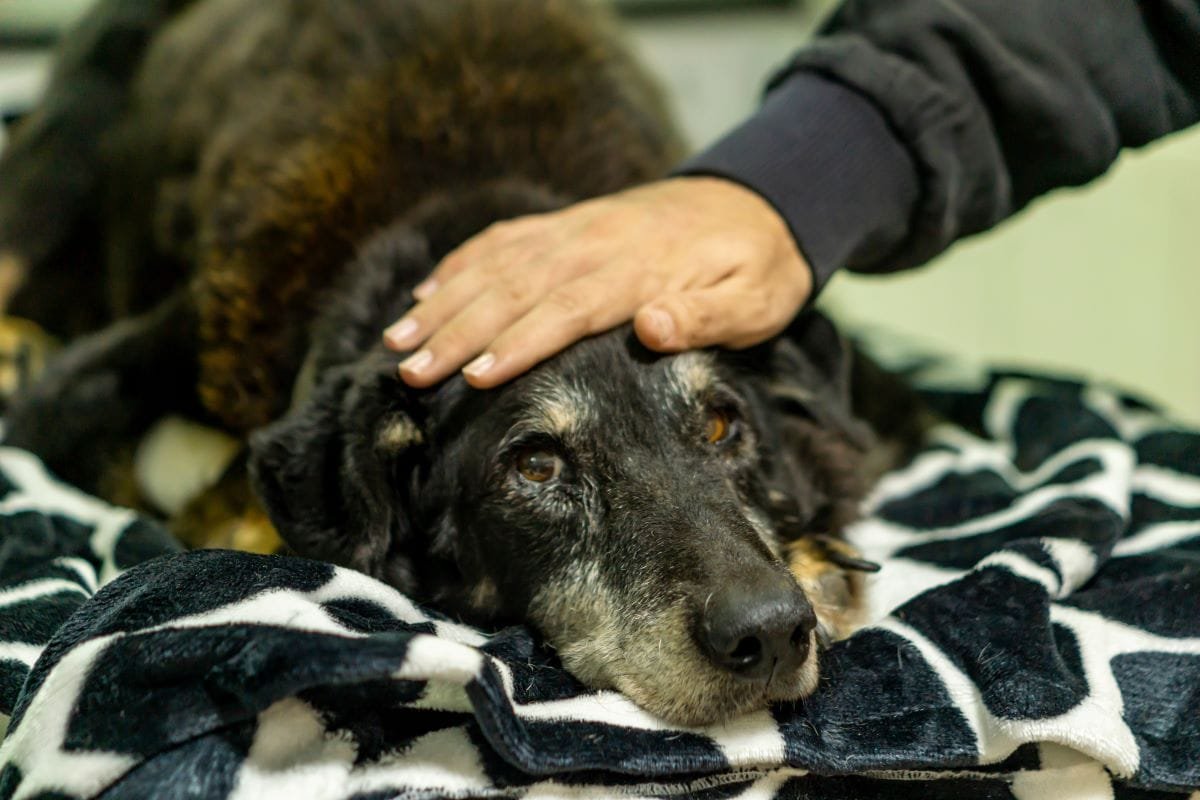
I remember an older golden retriever from our clinic that could barely stand near the end because of advanced arthritis and organ failure. His owner fed him cheeseburger pieces on a blanket outside before the appointment because he had stopped eating regular meals weeks earlier. The dog wagged his tail weakly the whole time. There was sadness in that moment, but there was mercy too.
One thing I wish more people understood is that dogs do not measure life the same way humans do. They are rooted in comfort, familiarity, pain, hunger, movement, and closeness with their people. A dog that cannot sleep comfortably, breathe well, or walk without severe distress is experiencing the world very differently from how we do.
I still miss both of my dogs years later. Certain songs remind me of car rides with them, and every now and then, I catch myself expecting to hear nails tapping across the kitchen floor. The grief softened, though. It stopped feeling sharp all the time. What remained was the sense that I had given them a peaceful ending rather than asking them to suffer longer out of fear of letting go.