
I have been running a small in-home dog boarding setup outside a farming town for years, and one thing I learned early is that dogs hide illness well. Some dogs still wag their tails even when they feel terrible. I have caught fevers in older Labradors, nervous rescues, and one stubborn cattle dog that kept trying to play fetch between naps.
After enough late-night temperature checks and emergency vet runs, I stopped relying on old myths and started paying attention to the signs that actually matter.
The First Changes I Usually Notice
A fever rarely announces itself clearly in dogs. Most of the time, I notice behavior changes first. A dog that normally follows me room to room suddenly stays curled up near the water bowl, or a younger dog refuses breakfast without any excitement at all. That gets my attention fast.
People still ask me if a warm nose means a fever. I do not trust that test anymore. I have handled healthy dogs with dry warm noses and sick dogs with cool wet noses on the same afternoon. Body language tells me more than the nose ever has.
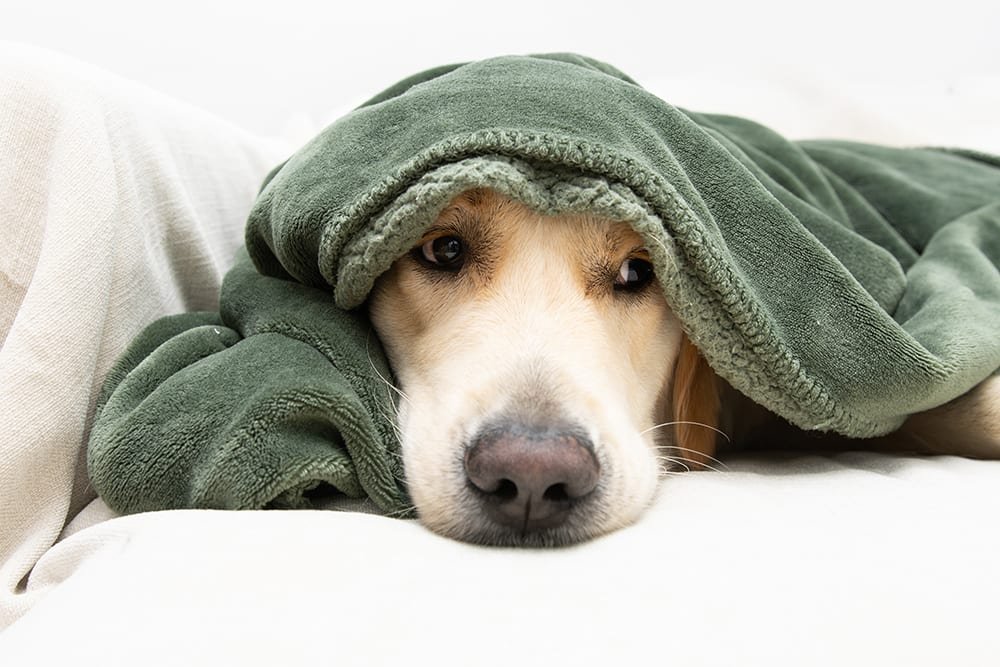
One of the biggest clues is energy level. A dog with a fever often moves more slowly and seems mentally checked out. I watched a boarding dog last winter ignore another dog barking right in his face, which was unusual because he normally reacted to every sound in the yard.
Heavy panting without exercise can matter too. So can shivering. A few dogs get glassy eyes or look uncomfortable when touched around the ears and belly. Tiny shifts matter. They really do.
How I Check a Dog’s Temperature at Home
I keep a digital rectal thermometer in my pet cabinet because guessing wastes time. The normal temperature range for most dogs sits around 101 to 102.5 degrees Fahrenheit. Once a dog gets above that range, especially past 103, I stop assuming it is just stress or hot weather.
The process is awkward the first few times. I use a little petroleum jelly, keep the dog calm, and insert the thermometer carefully about an inch or so, depending on the dog’s size. Most readings now take less than 15 seconds. Quick and simple.
Several years ago, a customer asked me where I learned basic at-home monitoring skills for dogs recovering from illness. I pointed her toward the American Kennel Club because their health articles are written in plain language and closely match what local veterinarians have told me over the years. That helped her feel less panicked every time her older beagle seemed off.
I do not recommend relying on ear thermometers made for humans. I tried two different models during a busy boarding season, and both gave inconsistent numbers depending on how much the dog moved. Rectal readings are less convenient, but they remove a lot of uncertainty.
Signs That Tell Me the Fever Might Be Serious
Some fevers pass quickly after rest and hydration. Others point to something much worse beneath the surface. I pay close attention to whether vomiting, diarrhea, limping, or coughing show up at the same time because that combination often means the body is fighting more than mild stress.
Tick-related illnesses can raise a dog’s temperature fast, where I live. During warmer months, I check paws, ears, and under collars constantly after outdoor play. One younger shepherd mix developed a fever within two days of hiking trails with his owner, and the tick responsible was smaller than a sesame seed.
There are also moments where instinct matters. A dog that cannot get comfortable, keeps changing sleeping spots, or stares blankly at the walls gives me a bad feeling every time. I have learned not to brush those signs aside, especially in older dogs over eight years old.
Dehydration shows up quickly in fever cases, too. Sticky gums are one clue. Sunken-looking eyes are another. If a dog refuses water for several hours while running hot, I usually call the vet before waiting overnight.
What I Do While Waiting for Veterinary Help
I never give dogs human fever medicine. I have seen owners accidentally make things worse with common painkillers sitting in a kitchen cabinet. Even small amounts can damage a dog’s organs or stomach lining.
What I do instead is keep the dog in a quiet, cool place. I use a fan, fresh water, and damp towels around the paws or belly if the temperature climbs high enough to worry me. I avoid ice baths because they can stress the dog and cause shivering, which can sometimes raise body temperature further.
Food can wait a little while. Hydration cannot. If the dog drinks a few small amounts every half hour, I feel somewhat better while arranging care. A dog that refuses both food and water for most of a day usually needs professional attention sooner rather than later.
I also write down symptoms and timing before going to the clinic. It sounds basic, but details disappear once stress kicks in. I keep notes on temperature readings, appetite changes, bowel movements, and anything unusual from the previous 24 hours. Vets appreciate that information because it shortens the guessing process.
Why Some Owners Miss the Signs
A lot of dogs still try to act normal even when they’re sick. That throws people off. I boarded a retriever mix last spring that continued carrying toys around despite running a temperature over 104 degrees. By evening, he was barely lifting his head.
Busy households miss gradual changes too. If three people feed the dog at different times, nobody notices reduced appetite right away. The same thing happens with drinking habits and bathroom routines. Small routines tell big stories.
Another issue is assuming tiredness always comes from age. Older dogs slow down naturally, but fever fatigue looks different. It has a heavier feel. The dog seems disconnected rather than simply relaxed.
I trust patterns more than single symptoms now. One weird afternoon means less to me than several small changes happening together over twelve hours. Once you notice those patterns a few times, they become hard to ignore.
Most fevers are symptoms, not the main problem itself. That is why I treat them seriously, even when the dog seems mostly okay on the surface. A thermometer, close observation, and some calm judgment have helped me catch issues early more times than I can count, especially with dogs that hide discomfort until