
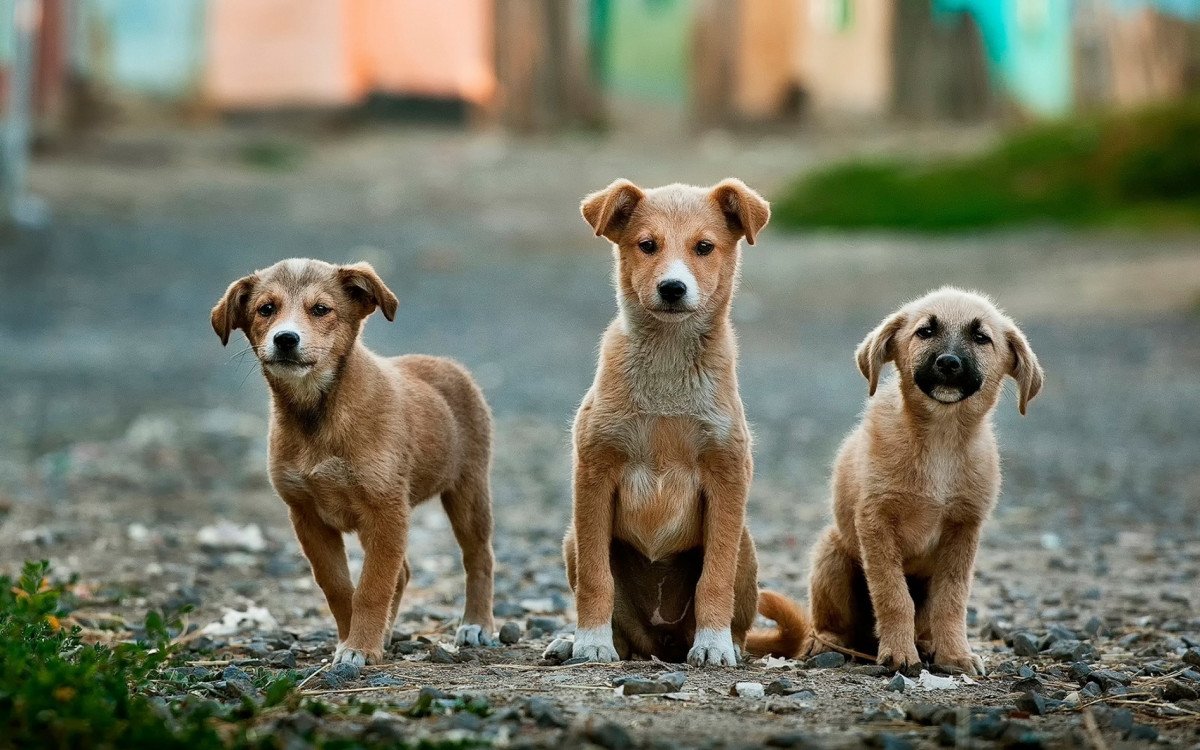
I run a small in-home dog training business and spend a good chunk of my week helping families deal with jumping problems. Most dogs are not trying to be rude. They are excited, overstimulated, or simply repeating a behavior that has worked for them since puppyhood. I have walked into homes where a seventy-pound dog hit me square in the chest before the owner could even shut the front door. It happens fast.
Why Dogs Keep Repeating the Behavior
One thing I learned early is that jumping usually gets rewarded without people realizing it. A dog jumps, somebody laughs, touches the dog, says their name, or pushes them away. From the dog’s perspective, the interaction still feels rewarding because attention happened right after the jump. Dogs notice patterns quickly.
I worked with a shepherd mix last winter who knocked over grocery bags almost every evening because he greeted his owner by launching himself into the air. The owner kept saying “off” while grabbing the dog’s paws, but the dog treated it like part of the game. Within 10 minutes of watching them interact, I could see why the behavior persisted for nearly 2 years. The timing was off every single time.
Most people expect dogs to stop jumping because they are told “no” often enough. That rarely works on its own. A dog needs a replacement behavior that earns attention faster than jumping does. Sitting quietly for two seconds can change the entire interaction once the dog understands the trade.
What I Teach Instead of Jumping
I do not focus on punishment first. I focus on showing the dog exactly what earns access to people. In my sessions, I usually start near the front door because that is where excitement peaks, especially in homes with children, visitors, or delivery drivers arriving throughout the day.
One training resource I sometimes recommend to newer owners is how to stop your dog from jumping up because it breaks down basic timing in a way that many first-time dog owners understand quickly. I still tell people that reading alone will not fix the issue overnight. Repetition matters more than theory once the dog is overstimulated.
My process is simple, though it takes consistency. I walk toward the dog calmly. If the dog jumps, I turn sideways and remove attention immediately. The second all four paws hit the floor, I mark the behavior with a calm “yes” and reward with petting, food, or access to greeting me.
Timing matters a lot here. Rewarding even one second too late can confuse the dog, as they may think the jump earned the reward rather than the calm posture. I learned that lesson years ago while working with a young boxer who could clear half a couch in one leap. Fast dogs force you to sharpen your timing.
The Mistakes I See Owners Make Most Often
Many owners accidentally train inconsistency into the dog. They allow jumping when they are in a good mood, but punish it when carrying coffee or talking to guests. Dogs struggle with rules that change by the hour. A clear pattern works better than emotional reactions.
I also see people repeat commands too much. Saying “off, off, off” ten times turns the word into background noise. Shorter communication works better for most dogs, especially during high excitement. Calm silence can be more effective than constant talking.
Kids make training harder sometimes. That is normal. A customer last spring had two younger boys who encouraged the family retriever to jump because they thought it was funny, then became frustrated when the dog scratched their arms before school. We solved most of the issues by changing how the humans greeted the dog for two straight weeks.
Another common mistake is expecting improvement after one solid day. Some dogs improve quickly. Others test boundaries for months because the behavior has been rehearsed thousands of times. Large adolescent dogs are often the slowest because their excitement level can override what they already know.
How I Handle Guests and Real-Life Situations
Practice inside a quiet house only gets you so far. Real improvement shows up when guests arrive carrying bags, talking loudly, or moving unpredictably. That is when many dogs lose control again. I prepare owners for that stage early.
I usually set up practice sessions with one visitor at a time. The guest enters calmly while the dog stays on leash for management. If the dog remains grounded for even three seconds, the guest greets them softly. If the dog jumps, the guest immediately steps back and removes attention.
Short sessions work best. Ten focused minutes can accomplish more than an hour of chaotic repetition where everyone gets frustrated. I tell owners to end sessions before the dog mentally burns out because tired dogs often make sloppier decisions.
One older lab I worked with had a habit of jumping directly at elderly visitors. The owners were worried somebody would fall. We spent about three weeks practicing slow greetings near the driveway with neighbors helping for a few minutes at a time. The progress was steady once the greetings became structured instead of random.
Why Exercise Alone Usually Does Not Solve It
People often tell me their dog jumps because they have too much energy. Sometimes that is partially true, especially with younger working breeds. Still, I have trained marathon-ready dogs that could hike for miles and continue jumping on guests an hour later. Exercise helps, but it does not automatically teach manners.
Mental work often matters more. A dog practicing impulse control during meals, doorway routines, and short obedience drills learns how to slow themselves down. That skill carries into greetings over time. Excitement becomes easier to manage.
I usually ask owners to build tiny pauses into the dog’s daily routine. Wait before meals. Sit before opening the back door. Pause before throwing a toy. Those little moments add structure without turning the household into a military camp.
Some dogs mature out of intense jumping naturally around age three or four. Others never do unless the owners actively teach another behavior. Breed plays a role. Temperament does too. I have met calm pit bulls and absolutely chaotic doodles in the same afternoon.
Most dogs can learn this with enough repetition and clear feedback. The biggest shift usually happens when owners stop reacting emotionally and start responding consistently. Dogs notice patterns faster than speeches. Once they realize calm greetings actually work better, the jumping starts fading piece by piece.