
I’ve spent years working with cats in a small-animal clinic, and one of the most common concerns I hear from owners is sudden changes in litter box habits. I’ve seen calm, well-trained cats suddenly start going outside the box, which always makes people anxious and confused. Most of the time, the behavior has a reason that can be traced back with careful observation. It rarely happens “out of nowhere,” even if it feels like it does at home.
Medical issues I check first
When a cat starts pooping outside the litter box, I always begin by thinking about health before anything else. In the clinic, I’ve seen cases where constipation, diarrhea, or intestinal discomfort makes cats avoid the litter box because they associate it with pain. One cat I remember from a customer last spring had mild gut inflammation, and the owner only noticed changes in bathroom habits before anything else.
Sometimes it is something as simple as parasites or dietary intolerance, and other times it can be more complex digestive trouble that needs a proper checkup. I usually tell owners that cats hide discomfort well, so behavior changes can be the first visible sign. A quick vet visit can rule out serious issues before they become a guessing game at home.
In one clinic week, I saw three different cats with similar symptoms but completely different underlying causes, which reminded me how misleading appearances can be. One had a food sensitivity, another had early kidney stress, and the third was reacting to medication changes. Cats don’t always show clear symptoms. That makes observation critical.
Litter box setup and daily environment
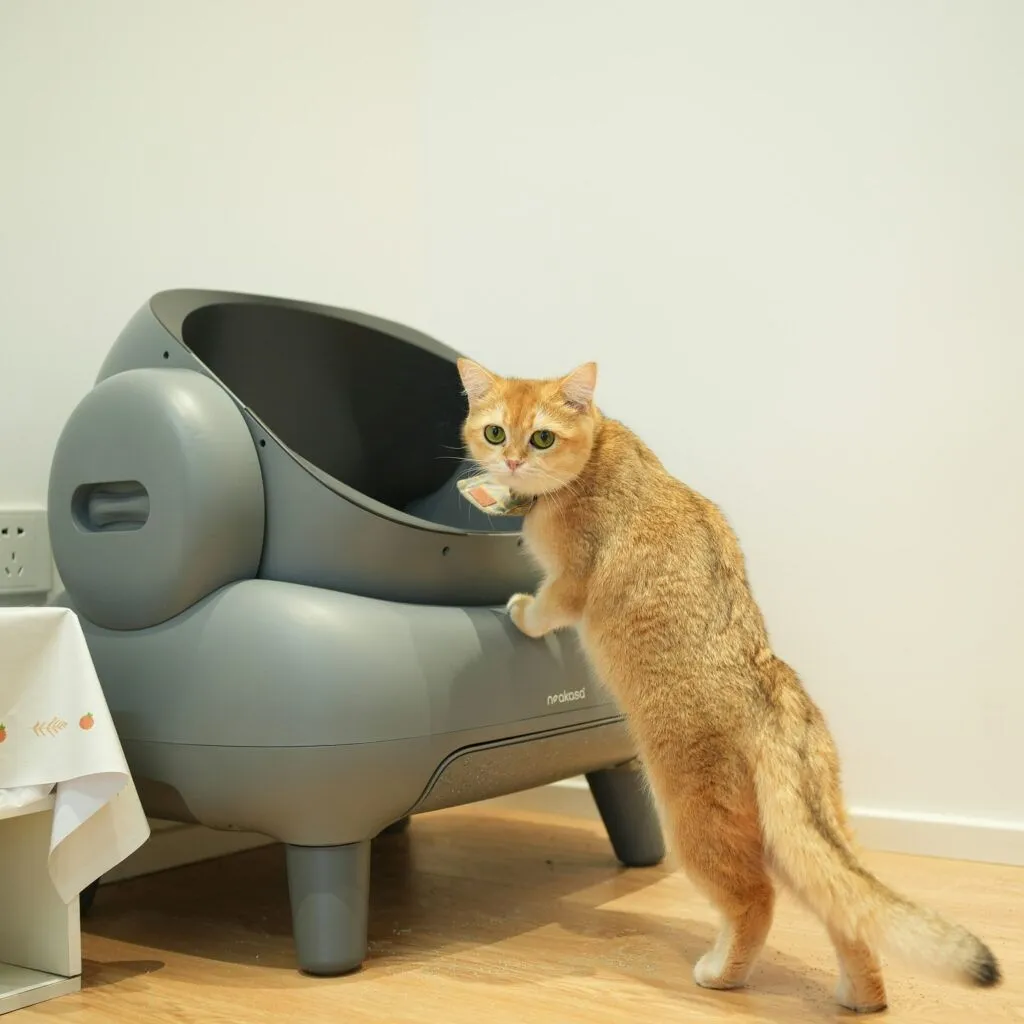
After medical causes are ruled out, I usually focus on the litter box itself and the surrounding environment. Many cases I’ve handled were solved simply by adjusting cleanliness, location, or litter type. I once visited a home where the box was placed near a noisy washing machine, and the cat had started avoiding it entirely due to the constant vibration and noise.
For owners who want to compare cat behavior advice, product options, or hygiene tools to help manage litter box problems, I often recommend checking detailed pet care resources, such as cat litter behavior solutions that break down different setups and maintenance routines. This kind of guidance can help narrow down what might be stressing the cat at home. I’ve seen small adjustments completely change a cat’s behavior within days.
Another common issue is litter preference. Some cats are surprisingly picky about texture or scent, and switching brands too quickly can confuse them. I usually advise keeping changes gradual, especially if the cat has already started avoiding the box. Even something as simple as switching to a covered box can make a sensitive cat uncomfortable.
Cleanliness also plays a bigger role than most people expect. I’ve seen households where the box is cleaned only once every few days, and the cat starts finding other spots in the home. Cats are clean animals by nature. A dirty box is often enough reason for refusal.
Stress, territory, and routine changes
Once medical and environmental causes are addressed, I examine stress factors. Cats are extremely sensitive to changes in their surroundings, even those that humans consider minor. A new pet, a visitor staying for a few days, or even a furniture rearrangement can shift how secure a cat feels in its space. I’ve seen confident cats turn anxious after something as small as a change in feeding schedule.
One household I worked with had recently adopted a second cat, and the original cat started avoiding the litter box within a week. It wasn’t aggression in the obvious sense, but more of a quiet territorial stress response. The older cat simply didn’t feel comfortable sharing the same bathroom space anymore.
Routine disruption is another factor I see often. Cats rely heavily on predictable patterns, and even changes in the owner’s working hours can affect them. I usually tell people that cats notice absence more than we think, and that anxiety sometimes shows up in bathroom behavior rather than vocal complaints or aggression.
Some cats also develop location preferences when they feel stressed, choosing quiet corners of the house instead of the litter box area. It is not about rebellion. It is about feeling safe. Once the stress source is identified and reduced, the behavior often slowly corrects itself without forcing the cat.
Training mistakes and long-term habits
In some cases, the issue is not new at all but an old habit that was never fully corrected. I’ve seen cats that had a bad experience years ago still avoid the litter box during stressful moments. These patterns can become deeply ingrained if they are not addressed early and consistently.
Punishment is something I strongly advise against, even though I still hear about it from time to time. It usually makes the problem worse because the cat begins to associate fear with the owner or the environment rather than learning the correct behavior. Patience tends to work better than force in these situations.
Sometimes retraining is needed, especially if the cat has been eliminating outside the box for a while. This involves resetting habits, simplifying the environment, and reintroducing positive reinforcement when the cat uses the box correctly. I’ve seen cases take a couple of weeks to fully stabilize again.
Consistency is the part most owners struggle with. It takes time, and results are not immediate. But when handled calmly, even long-standing litter box issues can improve significantly without resorting to drastic measures or causing stress for the cat.
Looking back at all the cases I’ve handled, the main thing I’ve learned is that litter box problems are rarely random. They are usually communication from the cat about discomfort, stress, or environmental issues. Once that message is understood, the behavior often starts to make sense again in a very practical way.