
I work as a mobile cat behavior consultant and veterinary assistant, visiting homes across small neighborhoods where cats are part of daily family life. One of the most common concerns I hear is a sudden change in litter box habits, especially when a cat starts peeing outside its usual spot without warning. I have seen this pattern in dozens of homes over the years, and it almost always catches owners off guard. The confusion and frustration are usually the first emotions to surface, followed quickly by worry about what changed.
Medical Issues That Show Up First
In many cases I deal with, sudden inappropriate urination is not a behavioral problem at all but a medical one hiding underneath. I remember a customer last spring whose indoor cat began peeing on the sofa and near doorways within just a couple of days. After a basic check and referral, it turned out to be a urinary tract infection that made the litter box painful to use. Once treatment started, the behavior improved within a week, which is often how quickly things can turn around when the cause is physical.
Common health issues I regularly see include urinary tract infections, bladder crystals, kidney strain, and sometimes early signs of diabetes. These conditions often make urination urgent, uncomfortable, or unpredictable, leading the cat to avoid the litter box altogether. A proper veterinary check is always my first recommendation before assuming anything behavioral. If you delay this step, the cat may develop a stronger habit of avoiding the litter box even after the medical issue is treated.
During one home visit, I met a family whose cat had started peeing behind the washing machine and under furniture, areas it had never shown interest in before. The owners had already tried changing litter brands and cleaning the box more often, but nothing helped. In situations like this, I usually recommend a full urinalysis and a physical exam, as subtle pain or inflammation can go unnoticed at home. A vet clinic can quickly rule out issues that are invisible during casual observation.
Stress and Environmental Triggers
Not every case is medical, and this is where things get more complex. Cats are extremely sensitive to changes in their environment, even ones that seem small to us. A new piece of furniture, a different cleaning scent, or even a shift in household routine can trigger stress-related marking. I have seen cats respond to a new roommate or a rearranged living room within hours of the change.
When I was called to a home last year, the owner had recently started working longer hours, leaving the cat alone for most of the day. The cat began peeing near the front door and in the hall corners where the owner usually spent time. In that case, I explained that anxiety and separation stress can often show up through elimination behavior, especially in cats that are strongly bonded to one person. Creating more predictable routines and adding vertical spaces for the cat helped reduce the issue over time.
In some households, even outdoor changes can play a role, especially if stray cats are visible through windows. I once worked with a family whose neighborhood cat sat near their garden daily, and their indoor cat responded by marking near windows and entry points. Reducing visual contact and using calming environmental adjustments helped reduce that tension. It usually takes patience because stress-related behavior does not disappear overnight.
In more persistent cases, I sometimes recommend structured behavior consultations through trusted animal behavior resources or local veterinary support programs. These services help identify subtle stress triggers that are easy to miss during routine home observation. They also guide owners through step-by-step environmental changes instead of guesswork.
Litter Box Problems That Get Overlooked
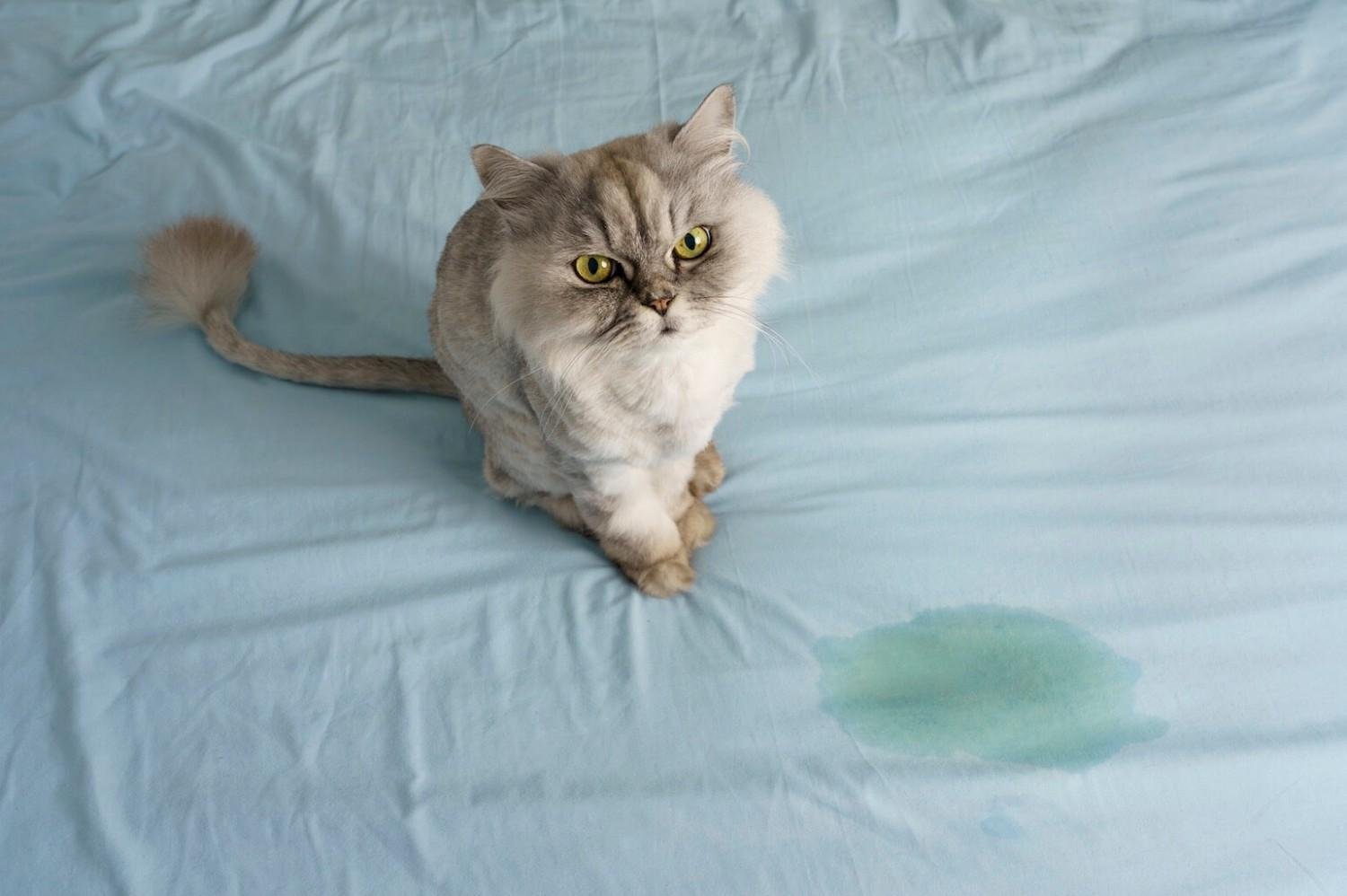
One of the most overlooked reasons I encounter is simple litter box dissatisfaction. Cats are picky about cleanliness, location, and even the texture of the litter itself. I have seen cats refuse a box just because it was moved a few feet away from its original spot. Small changes like that can be enough to push them toward alternative places in the house.
Another customer I visited had two cats sharing one litter box in a small apartment. Over time, one cat started urinating outside the box near the hallway rug. After discussing the setup, it became clear that the box was not being cleaned often enough for both cats. Adding a second litter box and placing it in a quieter area resolved most of the problem within a few days. Sometimes the solution is simpler than expected, but it requires careful observation of daily habits.
There are also cases where the type of litter plays a major role. Strong fragrances or dusty textures can discourage use, especially in sensitive cats. I have seen cats avoid entire rooms just because the litter box scent changed slightly after a new product was introduced. Switching back to a more neutral litter often helps restore normal behavior.
Cleanliness is another critical factor. A litter box that is not scooped regularly can quickly become unacceptable for a cat, even if it still looks usable to a human eye. I usually advise keeping at least one box per cat plus one extra, placed in different quiet areas of the home. This reduces competition and gives the cat more choice, which directly lowers stress-related accidents.
Behavioral Reinforcement and Habit Formation
Once a cat starts peeing outside the litter box, the behavior can become a habit if it is not corrected early. I have seen cases where the original trigger is gone, but the pattern continues because the cat has already associated a new location with relief. This is why early intervention matters more than most people realize.
Cleaning affected areas thoroughly is one of the first steps I always emphasize. Standard cleaning isn’t always enough, as residual scent markers can attract the cat back to the same spot. Enzymatic cleaners tend to work better in breaking that cycle, especially on fabric and carpeted areas. Even after removing the scent completely, the behavior often recurs.
Redirecting the cat gently back to the litter box also plays a role, but punishment rarely helps and often makes things worse. I have watched cats become more secretive or anxious when scolded, which leads to more hidden accidents around the home. Positive reinforcement when the litter box is used correctly is a more stable approach over time.
In long-term cases, I sometimes see that the behavior has multiple layers, combining mild medical sensitivity with learned habits and environmental stress. That is where patience becomes essential because quick fixes rarely hold. Each cat responds differently, and the solution usually comes from adjusting several small factors rather than one major change.
Most owners I work with feel overwhelmed at first, but once the cause is identified, the situation becomes much more manageable. I have seen many cats return to normal litter box habits after consistent adjustments, proper medical checks, and a calmer environment. The key is not assuming it is just “bad behavior,” because there is almost always a reason behind it that can be traced and corrected.