
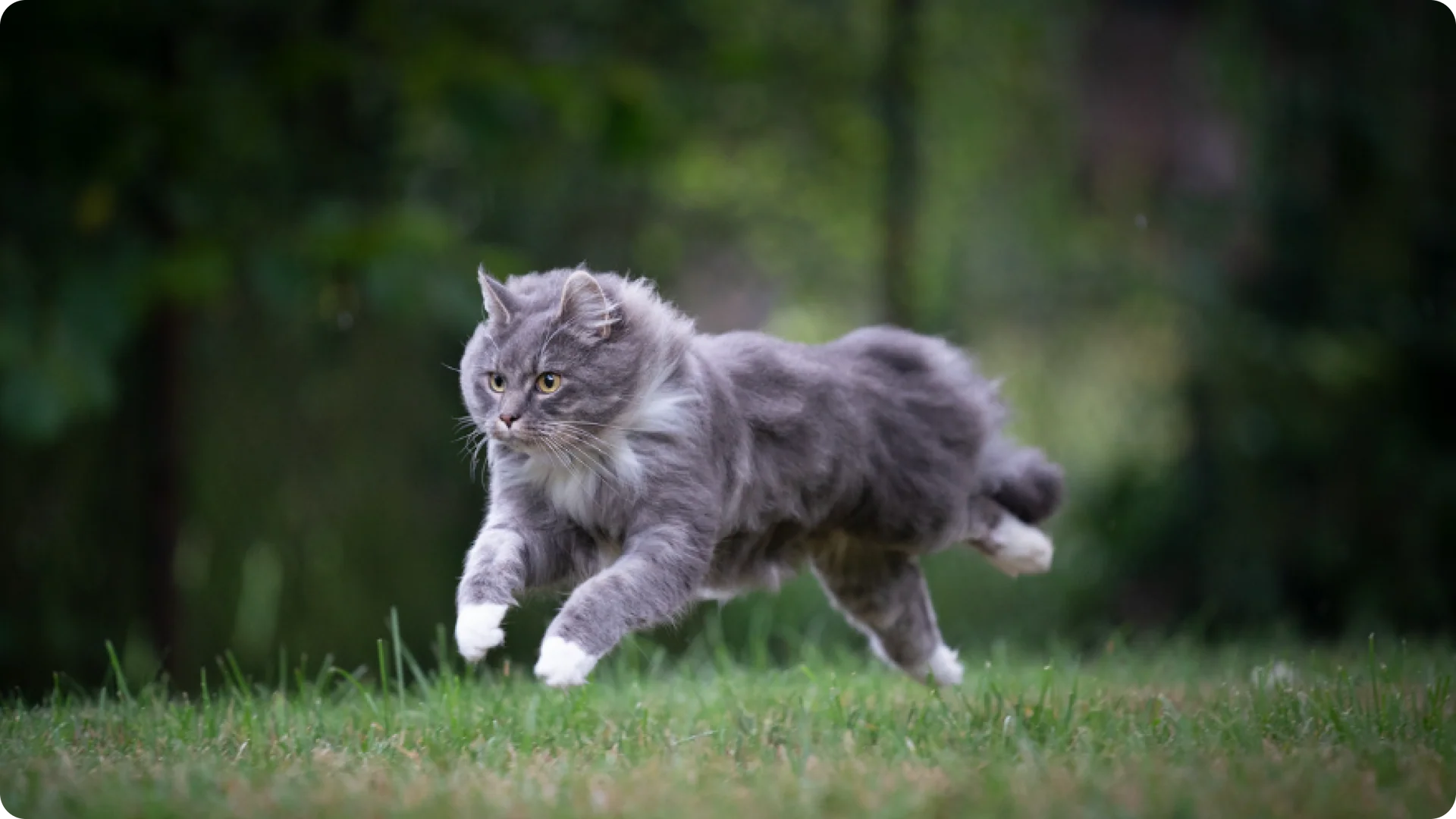
I work as a mobile cat groomer and behavior helper, and I spend most of my days moving between apartments and small houses where cats act like they own the place. One thing I see again and again is the sudden burst of energy people call “zoomies.” A calm cat turns into a blur of motion, sprinting across rooms like something invisible just startled them. It usually happens when owners are least prepared for it, often late evening or right after a grooming session. Over time, I started noticing patterns behind it that go beyond simple randomness.
The chaos I see during grooming visits
When I arrive at a client’s home for grooming, the first 10 minutes are usually calm. The cat watches me unpack tools, sniffing around like a quiet observer. Then, without warning, something flips. I’ve seen cats sprint from the kitchen to the hallway and back again, as if testing their own speed. It happens fast. Cats reset quickly.
In my experience, zoomies often show up after stress relief. A grooming session, even a gentle one, still carries tension for the cat. Once it ends, the energy has to go somewhere. I once worked with a long-haired tabby that stayed perfectly still during brushing, then immediately launched into laps around the living room couch as if released from invisible pressure.
Clients sometimes think something is wrong, but I usually explain that it is a release pattern. The cat is not confused, just unloading stored energy. I’ve learned not to interrupt it unless the environment is unsafe. Most cats settle again within a few minutes, sitting down as if nothing had happened.
One thing I always notice is how predictable the space can be. Tight hallways, slippery floors, and open furniture layouts all give cats the perfect track for running circuits. The behavior looks wild, but it is controlled chaos shaped by the environment they live in every day.
Why cats suddenly explode with energy
Zoomies usually come from a mix of physical energy and instinctive behavior. Indoor cats don’t always get enough structured movement during the day, so their bodies store that energy in bursts. When it finally releases, it doesn’t come out slowly. It comes out in a sprint, often in the middle of what seems like random timing.
In many homes I visit, owners assume cats are resting all day and should remain calm all night. The reality is different. Cats are natural hunters with short, intense activity cycles. Even if they sleep for hours, their brains are still wired for quick movement. That mismatch is where the sudden bursts first appear.
There are also emotional triggers. Excitement, mild frustration, or even relief after using the litter box can all spark a short burst of running. I once watched a young cat launch into circles around a sofa immediately after finishing a meal, as if the food itself activated a switch.
For owners trying to understand it, I often point them to reliable behavior resources, such as the ASPCA’s cat behavior page. I have seen many first-time cat owners calm down once they realize zoomies are widely documented and not a sign of illness in most cases. Still, I always remind them that context matters, especially if the behavior suddenly changes in older cats.
Some cats also use zoomies to communicate discomfort or excitement they cannot express in other ways. In multi-cat homes, I’ve noticed one cat’s sprint often triggers another to follow, turning it into a short group activity that looks more planned than it really is.
Not all zoomies are equal. Some are playful, some are stress-related, and others are just pure energy overflow. The tricky part is telling the difference without watching the cat closely over time to spot patterns.
When zoomies are normal and when I pay attention
In most healthy adult cats, zoomies are completely normal. I see them in kittens almost daily, especially in the evening when energy peaks. It becomes part of their routine, like a short workout before sleep. Many owners even start to expect it at a certain hour.
However, I do pay attention when the behavior changes suddenly. If a cat that was calm for years starts running aggressively at night, I look at diet, environment, and possible discomfort. Sometimes something as simple as a new feeding schedule can shift their energy patterns.
Age also matters. Older cats can still get zoomies, but the movement is usually less intense. If a senior cat suddenly starts intense sprinting, becomes confused, or vocalizes, I advise owners to observe more closely and consider a vet check. It is uncommon, but worth noting.
I also look at timing. Zoomies right after waking up or after using the litter box are usually harmless. But repeated episodes combined with restlessness throughout the night can point to boredom or anxiety. In those cases, I suggest adding short play sessions during the day to balance their routine.
One simple adjustment I often recommend is structured play with wand toys for 10 to 15 minutes before evening rest. It mimics hunting behavior and helps reduce those late-night energy bursts that many owners find disruptive. It does not eliminate zoomies completely, but it makes them less chaotic.
Every cat I work with has its own rhythm. Some sprint daily, others only once a week. The important part is learning what is normal for that specific cat rather than comparing it to others in the household or online videos.
After seeing hundreds of cats over time, I’ve stopped thinking of zoomies as random behavior. They are more like small energy resets built into a cat’s system. Once you understand that rhythm, the chaos starts to look a little more predictable, even if it still takes over the room for a few seconds.