
I run a small mobile dog grooming van along the dry backroads and suburban trails outside central California, and foxtails are one of the few things that still make me uneasy every spring. I have pulled them from paws, ears, noses, and once from deep inside a matted armpit on an older retriever that barely reacted to pain anymore.
Most dog owners notice coughing or limping first, but the real trouble often starts hours before. These little grass awns look harmless sitting in a field, yet they can turn into an expensive and frightening veterinary problem in a flash.
Why Foxtails Cause So Much Trouble
Foxtails are the seed heads from certain grasses that dry out as the weather heats up. Each seed has tiny barbs that move in one direction, so once they stick in fur or skin, they keep pushing forward instead of falling out naturally. I usually start seeing them in large numbers around late April, especially after a stretch of windy weather and neglected roadside growth. Dogs with feathered coats tend to collect them faster, though short-haired dogs are not immune either.
The danger comes from how easily these seeds travel through tissue. I once saw a spaniel come into my van shaking his head nonstop after a hike through waist-high grass near an irrigation canal. The owner thought it was an ear infection, but a foxtail had burrowed deep into the ear canal. The vet later told her the seed had already caused inflammation after just 2 days.
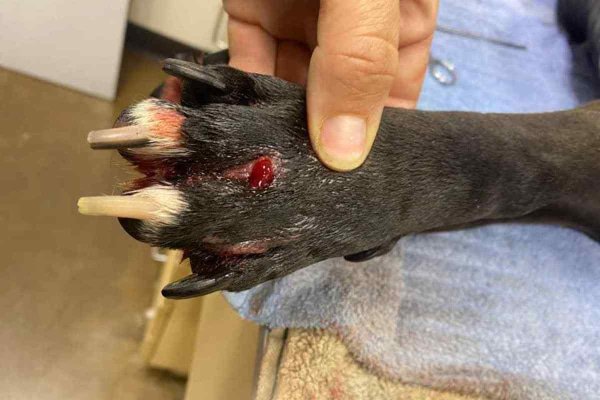
Some dogs show obvious signs right away. Others hide discomfort surprisingly well. A dog may lick one paw for a week before anyone realizes a foxtail is lodged between the toes and working deeper under the skin.
The nose cases bother me most. Sneezing fits can get violent. I have seen dogs sneeze blood onto a grooming table after inhaling one of these seeds during a simple game of fetch in dry grass.
Where I Usually Find Them During Grooming
Most owners check the obvious spots but miss the hidden areas where foxtails love to settle. I spend extra time around the paws, under the collar, inside the ears, and around the groin because those places trap debris after walks. Thick coats can hide several seeds at once, especially if the dog has not been brushed for a couple of weeks. Curly-coated breeds are notorious for this.
One thing I often recommend is trimming the fur around the paws during foxtail season, especially for active dogs who regularly hike or run through fields. A few of my long-term clients book seasonal maintenance through Foxtail Safety Tips for Dogs because they want a clearer idea of which symptoms warrant a vet visit rather than home monitoring. Most people are surprised by how far these seeds can travel once they enter the body.
I remember a husky mix from last summer that came in for a routine bath after camping with his owners for three days. He looked perfectly fine, except for a small swelling near one of his front toes. During drying, I noticed he kept pulling the paw away every few seconds. A foxtail had already tunneled beneath the skin, and the veterinarian later had to sedate him to remove it completely.
Eyes are another common problem area. Dogs running through tall grass at full speed can catch a seed under the eyelid in seconds. Redness, squinting, and watery discharge usually show up quickly, although some dogs simply paw at the face over and over.
What Dog Owners Usually Miss
A lot of people assume the danger disappears once they remove the plant’s visible parts. That is not always true. The tip can break off while the barbed section stays buried, continuing to migrate under the skin for days. I have heard veterinarians describe foxtails discovered near shoulders and chest cavities after entering through a paw weeks earlier.
Dry lots and vacant fields are the worst for exposure. The short grassy strip beside sidewalks can also be a problem once summer heat hits hard. Last year, I counted at least 7 dogs in one month with foxtail issues after ordinary neighborhood walks rather than trail hikes.
Dogs rarely stand still for inspection after outdoor play. I get it. Owners come home tired, the dog wants water, and life keeps moving. Still, a 60-second check can prevent a surgery bill of several thousand dollars if the seed migrates internally.
Some breeds seem especially vulnerable due to their coat texture and activity levels. Spaniels, doodles, Aussies, and hunting breeds pick them up constantly in my experience. Puppies also charge through weeds without hesitation. They never learn fast enough.
How I Reduce The Risk During Peak Season
I change my grooming routine completely during foxtail season. Paw trims become tighter, sanitary areas get cleaned up more carefully, and I spend extra time using a high-velocity dryer because hidden debris often reveals itself once the coat separates. Owners sometimes think I am being overly cautious until I pull a sharp seed from under an ear flap.
Daily brushing matters more than fancy products. A simple metal comb catches seeds before they work inward, especially behind the legs and around the tail base. I tell clients to keep a towel near the door and do a quick wipe-down after walks through dry areas.
Certain symptoms deserve immediate attention from a veterinarian. These are the ones I never tell owners to ignore:
Persistent sneezing, sudden limping, repeated head shaking, swollen paws, draining sores, or one eye staying partly closed for more than a few hours. Those signs often mean the seed has already embedded itself in a painful place.
I also suggest avoiding off-leash running in unmanaged grassy fields once the plants dry out and turn brittle. Dogs covering ground at full speed inhale and collect more debris than dogs staying on packed trails. A ten-minute shortcut through dead grass can create problems that last weeks.
Some owners feel embarrassed after a foxtail incident, especially if the dog needs sedation or surgery. I never judge them for it. These plants are common in certain regions, and even careful owners sometimes miss them. The important part is catching the issue before infection spreads or the seed migrates deeper into the body.
I still walk my own dogs on trails several mornings a week, but I pay attention differently now. Before they jump back into the truck, I check paws, ears, and underbellies while the dirt is still fresh and loose. It takes maybe two minutes total. Those few minutes have saved me from at least a couple of emergency vet visits over the years.